IBISWorld Platform
Answer any industry question in minutes with our entire database at your fingertips.

Total tourism expenditure is projected to reach $107.7 billion in 2026, representing 1.3% growth over the previous year and marking 6.6% above the 2019 pre-pandemic peak. This performance reflects Canada's tourism sector contribution of approximately $183.0 billion to the economy in nominal terms while supporting approximately 2.2 million jobs, cementing the sector's role as a critical pillar of Canadian economic activity. The modest growth rate masks significant compositional shifts, with surging domestic spending offsetting sharp declines in U.S. visitor arrivals amid ongoing trade tensions between the two countries. The past five years have witnessed the most dramatic disruption in tourism history, beginning with a major recovery from the pandemic collapse. Tourism expenditure began to normalize with a 10.7% increase in 2021, as vaccination programs enabled a gradual reopening. As most pandemic travel restrictions were lifted and pent-up demand was released, spending on tourism skyrocketed by 56.3% in 2022, the largest single-year increase of $31.5 billion. This V-shaped recovery trajectory proved faster than initially anticipated, with the sector achieving 2019 parity a full year earlier than projected in 2022 forecasts. Tourism spending in 2024 advanced 3.5% to $104.4 billion, representing the first year of genuine growth beyond pandemic recovery as the sector transitioned from rebuilding to expansion mode. In 2025 and 2026, growth tempered but remained positive, rising by 1.2% and 1.9%, respectively. Canadian residents took 43.3 million international trips in 2025 and 267.1 million domestic trips through Q3 2025.
Curious about what drives these trends? IBISWorld's analyst coverage on the total tourism expenditure includes detailled analysis on the current performance, outlook and industries affected.
1986-2032
Total tourism expenditure in Canada represents the aggregate real spending by Canadian residents on domestic travel and by international visitors on Canadian travel experiences, measured in billions of constant 2017 chained Canadian dollars. This metric captures all tourism-related outlays including accommodations, transportation, food and beverage, recreation and entertainment and shopping across both leisure and business travel. Data is sourced from Statistics Canada's National Travel Survey and International Travel Survey programs, adjusted for inflation to reflect actual volume changes in tourism activity.
IBISWorld Industry Reports are available in multiple formats to fit seamlessly into your workflow.

Answer any industry question in minutes with our entire database at your fingertips.
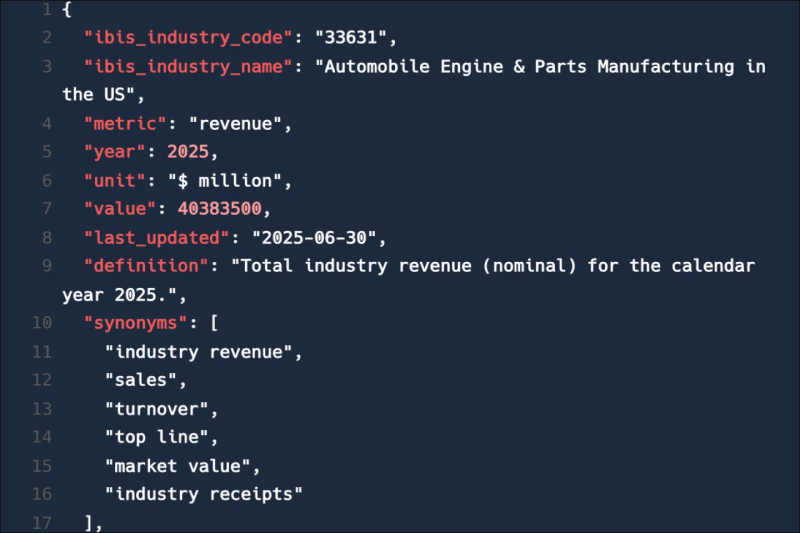
Feed trusted, human-driven industry intelligence straight into your platform.
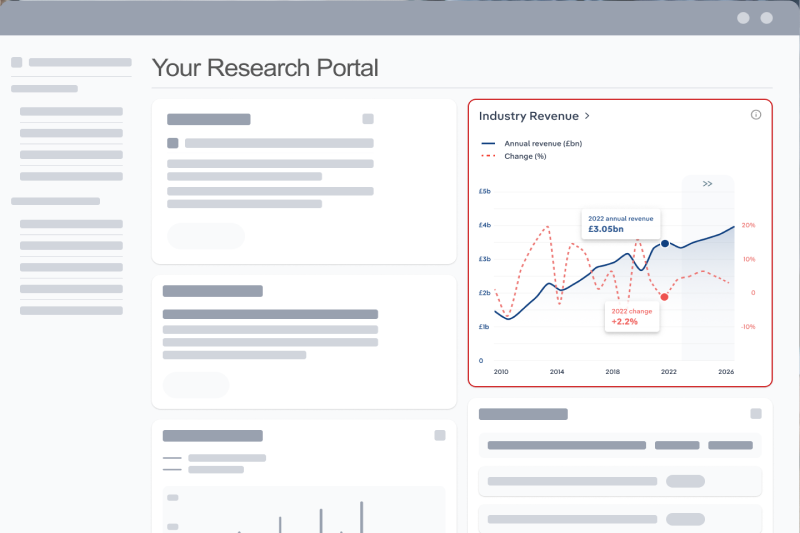
Streamline your workflow with IBISWorld’s intelligence built into your toolkit.
Explore industries with similar markets, supply chains, and economic drivers to gain broader context and insights.
| Industry | Country | Last 5-yr CAGR | Forecast 5-year CAGR | Revenue |
|---|---|---|---|---|
| Amusement Parks & Arcades in Canada |

|
XX% | XX% | $XX |
| Tour Operators in Canada |
|
XX% | XX% | $XX |
When the stakes are high, you need intelligence that cuts through the noise—wherever you work.
The total tourism expenditure in Canada in 2026 was $107.68 billion.
The total tourism expenditure in Canada grew by 13.98% in 2026.
IBISWorld’s data and analysis on total tourism expenditure in Canada includes forecasted growth rates over the next five years.