
IBISWorld Platform
Answer any industry question in minutes with our entire database at your fingertips.

Canadian imports are forecast at $829.5 billion in 2026, a 3.8% rise from 2025, supported by continued economic recovery, resilient consumer demand and steady business investment as key sectors normalize following earlier market shocks. Composition is shifting alongside the totals. Diversification away from US suppliers is gaining traction as trade agreements negotiated through the year lower tariff barriers on Chinese electric vehicles, reversing restrictions imposed in prior years and opening a channel for renewed volume growth in a category that had been effectively closed off. Depth of trading history with the US makes full realignment a slow process, though, limiting how quickly sourcing patterns can change. Statistics Canada data through July 2026 shows industrial machinery and equipment imports climbing steadily, signalling appetite for large-scale capital purchases. Data centre construction is driving parallel gains in electrical equipment, partially sourced from American suppliers. Private investment in these facilities should sustain import momentum through the back half of the year. From 2021 to 2026, Canadian import trends were marked by exceptional volatility fueled by global and domestic shocks. Imports rebounded from pandemic lows, reaching $801.3 billion in 2024. The pace and sectoral composition of this recovery were highly uneven: pandemic supply chain disruptions had outsized impacts on the automotive sector and technology-driven segments, with uneven restoration of supply networks causing uncertainties in volume and timing. Throughout the five-year period, macro trends such as global commodity price swings, a rising focus on nearshoring and supply chain digitization and policy responses to Russia's invasion of Ukraine led to notable shifts in prices and logistics costs, altering the aggregate value and composition of imports.Policy and business responses have focused on reducing overreliance on single markets through trade diversification and accelerating the adoption of digital tools for supply chain management. The transition toward a lower-carbon economy has begun reshaping the basket of imported goods, particularly in energy and technology. These developments, deliberate exchange rates, and monetary management have been central to smoothing shocks and ensuring resilience. Import growth from 2021 to 2026 averaged a CAGR of 1.9%, underscoring the strong post-pandemic rebound, though macro headwinds and geopolitical risks eventually curtailed growth prospects.
Curious about what drives these trends? IBISWorld's analyst coverage on the total imports includes detailled analysis on the current performance, outlook and industries affected.
1980-2032
This report tracks the total imports of goods and services into Canada for each calendar year. Data is sourced from Statistics Canada and is presented in chained 2017 dollars.
IBISWorld Industry Reports are available in multiple formats to fit seamlessly into your workflow.

Answer any industry question in minutes with our entire database at your fingertips.
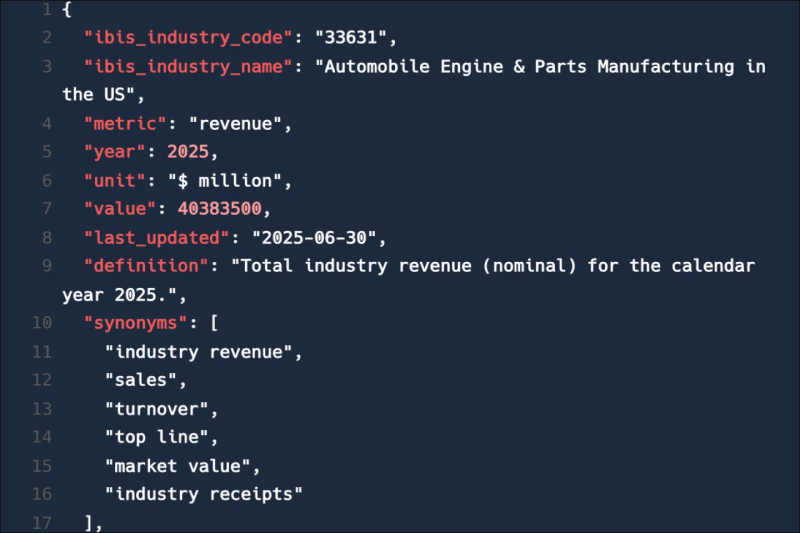
Feed trusted, human-driven industry intelligence straight into your platform.
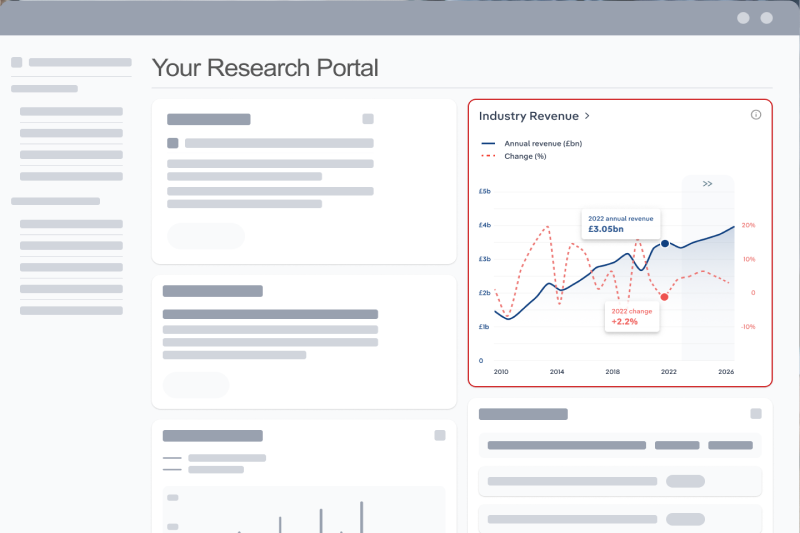
Streamline your workflow with IBISWorld’s intelligence built into your toolkit.
Explore industries with similar markets, supply chains, and economic drivers to gain broader context and insights.
| Industry | Country | Last 5-yr CAGR | Forecast 5-year CAGR | Revenue |
|---|---|---|---|---|
| Household Furniture Manufacturing in Canada |

|
XX% | XX% | $XX |
| Athletic & Sporting Goods Manufacturing in Canada |
|
XX% | XX% | $XX |
When the stakes are high, you need intelligence that cuts through the noise—wherever you work.
The total imports in Canada in 2026 was $829.53 billion.
The total imports in Canada grew by 2.56% in 2026.
IBISWorld’s data and analysis on total imports in Canada includes forecasted growth rates over the next five years.