
IBISWorld Platform
Answer any industry question in minutes with our entire database at your fingertips.

The price of electric power in Canada rose to $40.9 per gigajoule in 2026, representing a 0.3% increase from 2025. This modest increase comes as higher generation and grid costs get outpaced by modest gains in efficiency. In 2026, utilities faced rising input and capital costs as they upgraded aging transmission and distribution infrastructure and connected new renewable projects to grid. Extreme weather will also drive additional spending, as 2026 is projected to be one of the hottest years on record, creating unplanned additional grid expenditures that utilities must ultimately recover. Canadian electric power prices experienced significant volatility over the past five years, though it represents a CAGR of 0.1%. The period began with significant price drops from 2021 – 2022, falling 7.2% and 4.4% respectively. This price normalization follows unprecedented price increases as a result of the pandemic. Improving supply conditions and lower-than-expected demand limited the need for aggressive rate hikes. However, in 2023, prices rose 5.7% as inflation drove the cost of most goods higher. Increasing investment in grid modernization pushed underlying costs high. In 2024, prices fell as inflation cooled and earlier cost shocks faded and political scrutiny of affordability led regulators to defer energy increases, before climbing again in 2025 as US tariffs on Canadian goods introduced volatility.In the current period, electric power prices have been influenced by geopolitical uncertainty. The war in Ukraine and the current US-Iran conflict have driven up prices as producers hedge against potential future spikes. US tariffs on Canadian goods have introduced additional volatility into the market, reinforcing a pattern of defensive spending. Climate-related stressors have also become a notable trend during this period, as utilities incurred additional expenditures for system modernization. These necessary investments, combined with inflation, drove electricity prices higher.
Curious about what drives these trends? IBISWorld's analyst coverage on the price of electric power includes detailled analysis on the current performance, outlook and industries affected.
2005-2032
The price of electric power measures end use electricity prices in 2026 dollars per gigajoule. The price of electric power represents the weighted average of the residential, commercial and industrial price of electric power. Data is sourced from the National Energy Board of Canada.
IBISWorld Industry Reports are available in multiple formats to fit seamlessly into your workflow.

Answer any industry question in minutes with our entire database at your fingertips.
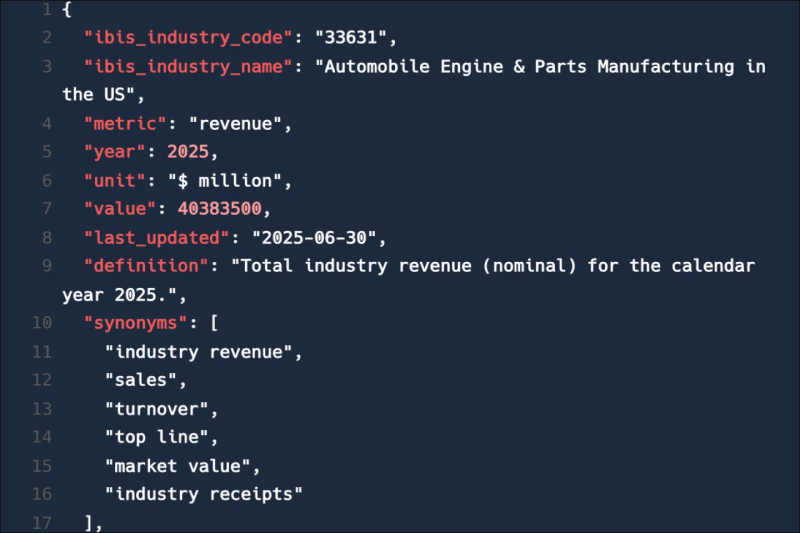
Feed trusted, human-driven industry intelligence straight into your platform.
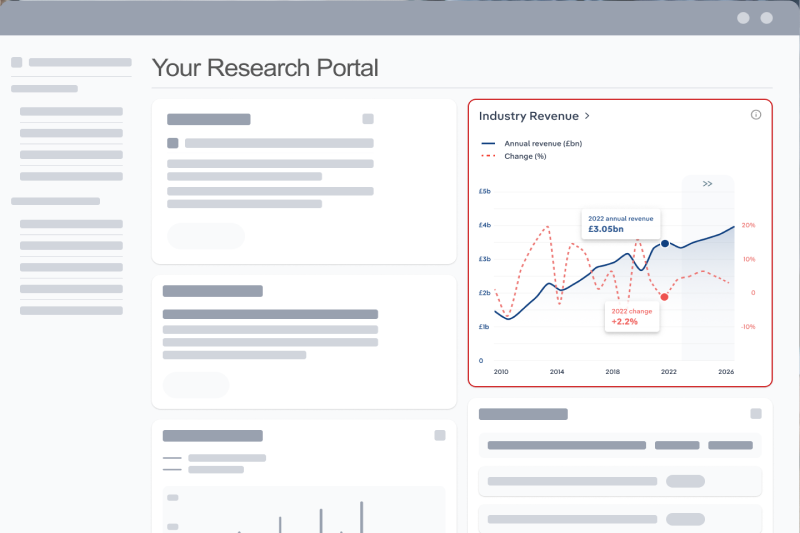
Streamline your workflow with IBISWorld’s intelligence built into your toolkit.
Explore industries with similar markets, supply chains, and economic drivers to gain broader context and insights.
| Industry | Country | Last 5-yr CAGR | Forecast 5-year CAGR | Revenue |
|---|---|---|---|---|
| Electric Power Transmission, Control & Distribution in Canada |

|
XX% | XX% | $XX |
| Renewable Power Generation in Canada |
|
XX% | XX% | $XX |
| Industrial Gas Production in Canada |
|
XX% | XX% | $XX |
| Thermal Power Generation in Canada |
|
XX% | XX% | $XX |
| Aluminum Production in Canada |
|
XX% | XX% | $XX |
| Electrical Equipment Wholesaling in Canada |
|
XX% | XX% | $XX |
| Dry Cleaning Services in Canada |
|
XX% | XX% | $XX |
| Metal Stamping & Forging in Canada |
|
XX% | XX% | $XX |
| Pet Grooming & Boarding in Canada |
|
XX% | XX% | $XX |
| Heating & Air-Conditioning Contractors in Canada |
|
XX% | XX% | $XX |
When the stakes are high, you need intelligence that cuts through the noise—wherever you work.
The price of electric power in Canada in 2026 was $40.86 per gigajoule.
The price of electric power in Canada grew by 0.06% in 2026.
IBISWorld’s data and analysis on price of electric power in Canada includes forecasted growth rates over the next five years.