IBISWorld Platform
Answer any industry question in minutes with our entire database at your fingertips.

Pork consumption is set to fall in 2026, though the decline stays shallow. Low cattle herds and production constraints pushed red meat prices higher, sending consumers toward affordable alternatives like pork and chicken and building sales momentum through the year. Working against that, pork doesn't fit halal dietary requirements observed by Canada's growing Muslim population, which limits its appeal across a widening share of consumers. The two forces offset, leaving consumption closer to stagnation than to either growth or a steep drop. The USDA estimated that population growth alone won't lift pork demand, since the dietary preferences of many newcomers don't favor the product. Price increases driven by substitution demand stay modest compared with red meat, reflecting structural differences in how the two protein markets clear, which keeps pork cost-competitive for households outside those dietary practices and prevents a full decline. Consumption is projected to reach 19.3 kilograms per capita in 2026, down from the prior year.Over the last five years, per capita pork consumption slumped in growth from 18.9 kilograms in 2021 to 19.3 kilograms in 2026. This moderate increase is primarily the result of increased public awareness of the medical risks associated with red meat consumption. Furthermore, the use of corn ethanol has increased the price of animal feed in recent years, causing the prices of many red meat products to increase as well. In recent years, however, some cuts of pork that are considered relatively lean meats have grown in popularity. IBISWorld expects growth to decline in 2025.
Curious about what drives these trends? IBISWorld's analyst coverage on the per capita pork consumption includes detailled analysis on the current performance, outlook and industries affected.
1980-2032
Per capita pork consumption represents the total carcass weight of pork consumed by the average Canadian each year. Data is sourced from Statistic Canada's survey on per capita animal protein disappearance, the Organisation for Economic Cooperation and Development and the Food and Agriculture Organization of the United Nations.
IBISWorld Industry Reports are available in multiple formats to fit seamlessly into your workflow.

Answer any industry question in minutes with our entire database at your fingertips.
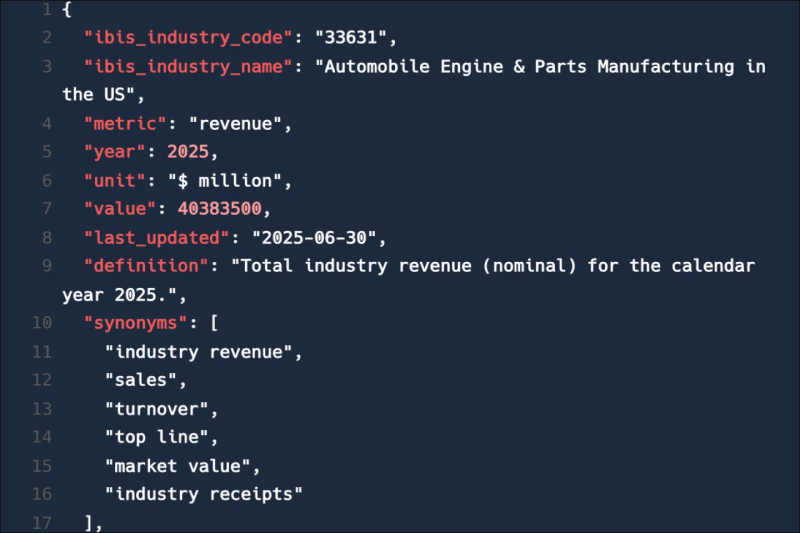
Feed trusted, human-driven industry intelligence straight into your platform.
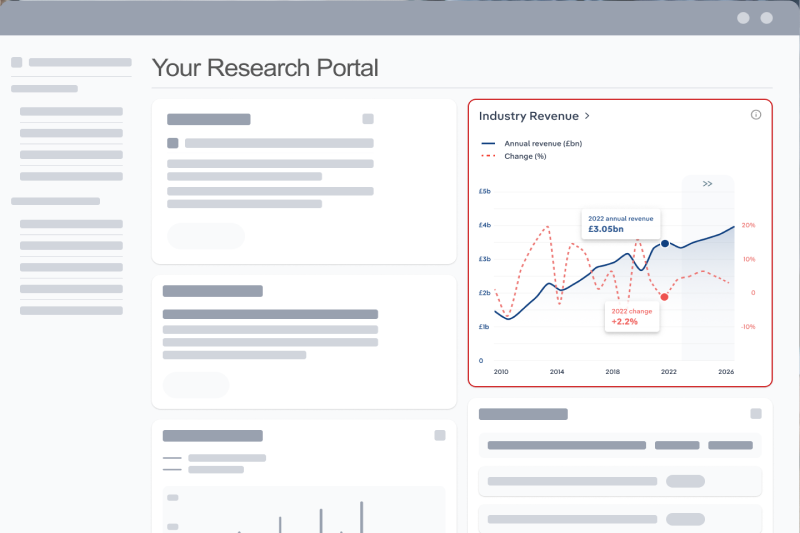
Streamline your workflow with IBISWorld’s intelligence built into your toolkit.
Explore industries with similar markets, supply chains, and economic drivers to gain broader context and insights.
| Industry | Country | Last 5-yr CAGR | Forecast 5-year CAGR | Revenue |
|---|---|---|---|---|
| Hog & Pig Farming in Canada |

|
XX% | XX% | $XX |
| Beef & Pork Wholesaling in Canada |
|
XX% | XX% | $XX |
| Chicken & Turkey Meat Production in Canada |
|
XX% | XX% | $XX |
When the stakes are high, you need intelligence that cuts through the noise—wherever you work.
The per capita pork consumption in Canada in 2025 was 19.27 kilograms.
The per capita pork consumption in Canada grew by 0.54% in 2025.
IBISWorld’s data and analysis on per capita pork consumption in Canada includes forecasted growth rates over the next five years.