IBISWorld Platform
Answer any industry question in minutes with our entire database at your fingertips.

Imports support meat demand in 2026 even as beef faces cost pressure from low cattle herds. Incoming volumes add supply throughout the year and consumers shift toward more affordable beef cuts that still serve as meal centerpieces, allowing households to stay with the protein without absorbing the full price increase. Poultry gains share as its price advantage over beef widens, lifting sales even as poultry costs begin to climb on stronger demand. That cost movement narrows the gap but doesn't close it, so the substitution continues through the year. Pork faces a harder year. Immigration expands the market for halal meat, which excludes pork, narrowing demand opportunities for the category even as its price stays competitive against beef. The result is an uneven market across protein types as households absorb higher prices overall and adjust their purchases by category rather than cutting back uniformly. Total consumption is set to grow 0.8% year over year.As the average wealth of Canadian consumers has steadily increased in recent decades, they have had more disposable income to spend on meat, which is usually more expensive than other foods. Additionally, meat consumption was boosted in the late 1990s with the rise in popularity of high-protein, low-carb diets. However, dietary trends have reversed in recent years and many consumers are seeking alternative diets, including vegan and vegetarian options. Furthermore, meat consumption declined substantially during the recession, as adverse economic conditions restricted the average consumer's disposable income, causing many Canadians to consume less of most goods, including relatively expensive meat. Furthermore, the use of corn for ethanol has increased feed costs, which has caused meat prices to rise as well. These pressures continued to add on in the coming years and only kept consumption levels pressured in 2021 even amid rising red meat prices, which signaled that there was still a strong enough market clamoring for more types of these products in the industry. However, pressures faced by cattle herders by having to face more pressures in the form of continued lockdowns and also having to compete with other products in the time that were similarly priced at a higher rate worked against per capita consumption, which worked against more consumers from buying more goods because of these hikes, regardless of the prices of these products rising regardless. In 2022, even as these pressures have continued, a reopened market in the period helped spur more consumption again, especially amid a rather resilient market that embraced inflation but did not entirely slow down their consumption levels, mainly because more markets reopened, which means having to operate and function at a higher rate. As Canada decided to lift remaining travel restrictions in the year, tourism spiked up concurrently, which also played a role in rising consumption rates of more items for those visiting the country. While this driver measures those living in the country, having a larger influx of people visiting a country will play a role in the need for higher consumption rates amid those living there need to buy more products to supplement visiting tourists, who could be family or friends residing at their places. Other factors, including escalating migration rates into the country, also kept consumption rates higher by increasing the proportion of people now residing in these areas for future periods, which helps fend off traces and cases of out-migration or people moving out of the country in the respective period. Rising prices have drove down consumption in 2024 and 2025.
Curious about what drives these trends? IBISWorld's analyst coverage on the per capita meat consumption includes detailled analysis on the current performance, outlook and industries affected.
1980-2032
Per capita meat consumption represents the total carcass weight of red meat and poultry consumed by the average Canadian in one year. Data is sourced from Statistic Canada's survey on per capita animal protein disappearance, the Organisation for Economic Cooperation and Development and the Food and Agriculture Organization of the United Nations.
IBISWorld Industry Reports are available in multiple formats to fit seamlessly into your workflow.

Answer any industry question in minutes with our entire database at your fingertips.
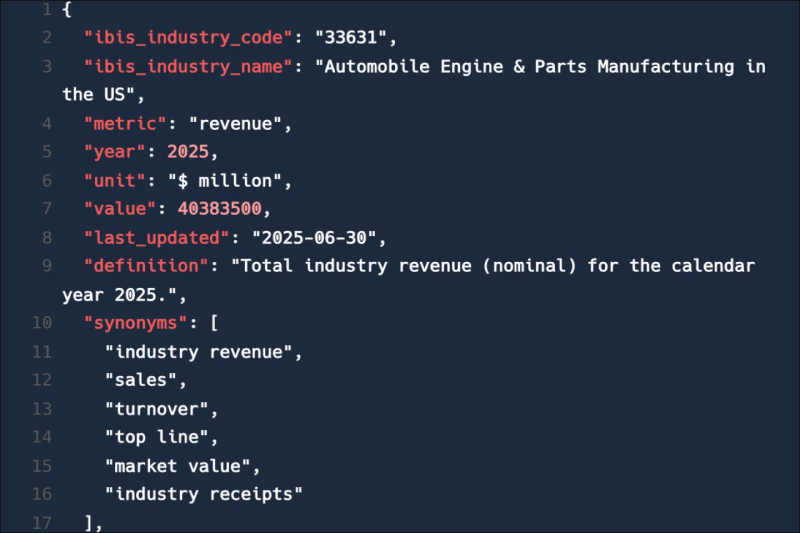
Feed trusted, human-driven industry intelligence straight into your platform.
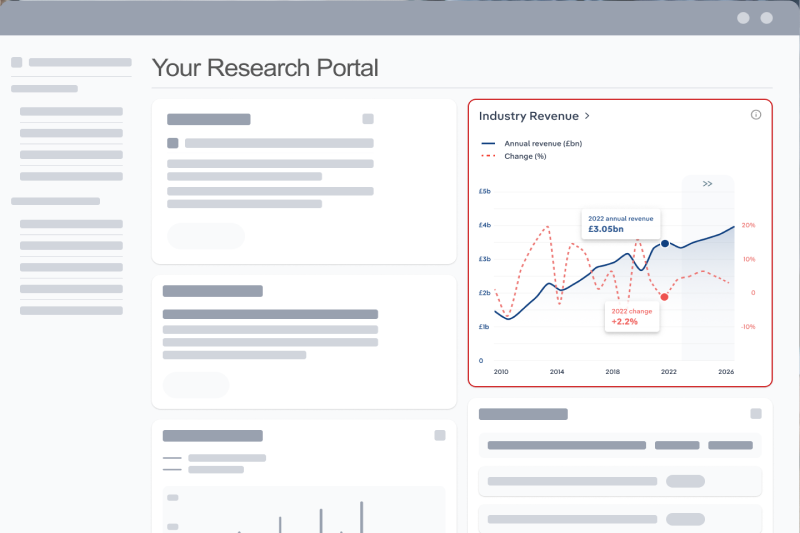
Streamline your workflow with IBISWorld’s intelligence built into your toolkit.
Explore industries with similar markets, supply chains, and economic drivers to gain broader context and insights.
| Industry | Country | Last 5-yr CAGR | Forecast 5-year CAGR | Revenue |
|---|---|---|---|---|
| Animal Feed Production in Canada |

|
XX% | XX% | $XX |
| Meat Processing in Canada |
|
XX% | XX% | $XX |
| Fast Food Restaurants in Canada |
|
XX% | XX% | $XX |
| Hog & Pig Farming in Canada |
|
XX% | XX% | $XX |
| Veterinary Services in Canada |
|
XX% | XX% | $XX |
| Street Vendors in Canada |
|
XX% | XX% | $XX |
| Agricultural Feed Wholesaling in Canada |
|
XX% | XX% | $XX |
| Chicken Egg Production in Canada |
|
XX% | XX% | $XX |
| Fish & Seafood Wholesaling in Canada |
|
XX% | XX% | $XX |
| Frozen Food Wholesaling in Canada |
|
XX% | XX% | $XX |
| Fruit & Vegetable Wholesaling in Canada |
|
XX% | XX% | $XX |
When the stakes are high, you need intelligence that cuts through the noise—wherever you work.
The per capita meat consumption in Canada in 2026 was 87.08 kilograms.
The per capita meat consumption in Canada grew by 0.39% in 2026.
IBISWorld’s data and analysis on per capita meat consumption in Canada includes forecasted growth rates over the next five years.