
IBISWorld Platform
Answer any industry question in minutes with our entire database at your fingertips.

Adults aged 20 to 64 are projected to account for 59.3% of Canada's population in 2026, representing 24.7 million people. This demographic has demonstrated minimal growth from 2021 through 2026. The transition of baby boomers into the senior age group has reduced the number of individuals in the adult demographic, explained by the demographic bulge now shifting into the 65-and-older cohort. Declining birth rates over previous decades have limited the flow of younger individuals into adulthood, creating further challenges for sustained growth in this segment. Recent limits to immigration rates have further slowed demographic growth.The adult segment has remained relatively stable through the five-year period, with overall annualized growth of 1.4% slightly below broader national trends. While new entrants from younger cohorts remain limited due to sustained low fertility, international migration played an outsized role in replenishing and expanding the adult labor force through 2024. Provincial variation has persisted, with regions such as Alberta and British Columbia attracting higher proportions of working-age adults through favorable job markets and population mobility, while others see relatively slower growth or net losses. Improvements in survivorship and rising life expectancy have also contributed to the stability of this group. Trends including increasing workforce participation among core-age adults, urbanization and economic migration have reinforced the centrality of this cohort within Canada's social and economic framework. From 2021 through 2026, these demographic events have accentuated ongoing shifts in the country's age structure, with the share of adults remaining steady while the absolute size of the cohort experienced declines. This period has underscored the importance of immigration policy and labor market dynamics for supporting Canada's working-age population and maintaining its economic resilience, even as broader population aging introduces new challenges for intergenerational support and government planning.
Curious about what drives these trends? IBISWorld's analyst coverage on the number of adults aged 20 to 64 includes detailled analysis on the current performance, outlook and industries affected.
1980-2032
The data for this report, including forecasts, are sourced from Statistics Canada. The estimates provided refer to the population as of July 1 for that year. The population growth, which is used to calculate population estimates, comprises natural growth, international migration and interprovincial migration.
IBISWorld Industry Reports are available in multiple formats to fit seamlessly into your workflow.

Answer any industry question in minutes with our entire database at your fingertips.

Feed trusted, human-driven industry intelligence straight into your platform.
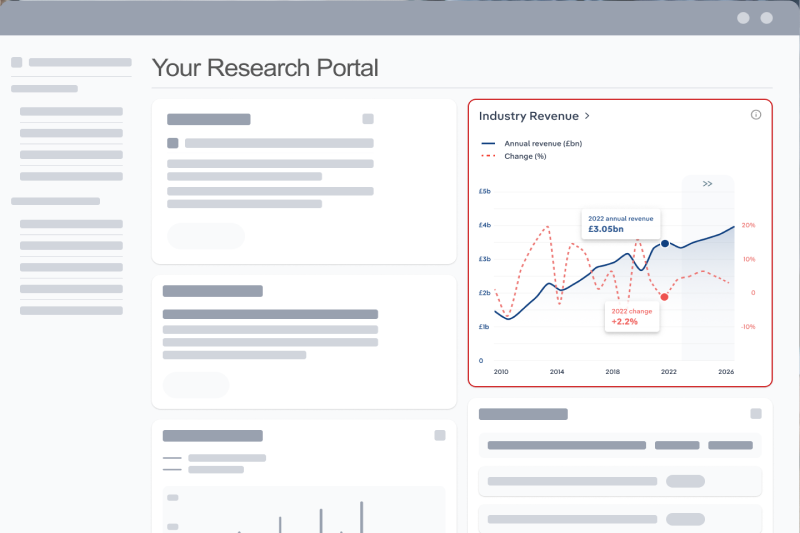
Streamline your workflow with IBISWorld’s intelligence built into your toolkit.
Explore industries with similar markets, supply chains, and economic drivers to gain broader context and insights.
| Industry | Country | Last 5-yr CAGR | Forecast 5-year CAGR | Revenue |
|---|---|---|---|---|
| Beer, Wine & Liquor Retailing in Canada |

|
XX% | XX% | $XX |
| Beer, Wine & Spirit Wholesaling in Canada |
|
XX% | XX% | $XX |
| Colleges & Universities in Canada |
|
XX% | XX% | $XX |
| Foreign Currency Exchange Services in Canada |
|
XX% | XX% | $XX |
| Recreational Vehicle Dealers in Canada |
|
XX% | XX% | $XX |
| Tax Preparation Services in Canada |
|
XX% | XX% | $XX |
| Beauty, Cosmetics & Fragrance Stores in Canada |
|
XX% | XX% | $XX |
| Convenience Stores in Canada |
|
XX% | XX% | $XX |
| Dating Services in Canada |
|
XX% | XX% | $XX |
| Hair, Nail & Skin Care Services in Canada |
|
XX% | XX% | $XX |
| Dry Cleaning Services in Canada |
|
XX% | XX% | $XX |
| Family Clothing Stores in Canada |
|
XX% | XX% | $XX |
| Job Training & Career Counselling in Canada |
|
XX% | XX% | $XX |
| Newspaper Publishing in Canada |
|
XX% | XX% | $XX |
| Women's Clothing Stores in Canada |
|
XX% | XX% | $XX |
When the stakes are high, you need intelligence that cuts through the noise—wherever you work.
The number of adults aged 20 to 64 in Canada in 2026 was 24,716.6 thousand people.
The number of adults aged 20 to 64 in Canada grew by 1.41% in 2026.
IBISWorld’s data and analysis on number of adults aged 20 to 64 in Canada includes forecasted growth rates over the next five years.