IBISWorld Platform
Answer any industry question in minutes with our entire database at your fingertips.

Industrial capacity utilization in Canada is projected to average 79.3% in 2026, representing a 1.0% jump from the previous year. This level indicates an industrial sector operating with considerable spare capacity, sitting about below the historical peak of 85.8% reached in 2005. Recent StatCan data points to slightly improving momentum, with fourth-quarter 2025 utilization rising to 78.5% from 78.4% in the fourth-quarter of 2024. Higher engineering construction activity, including a rebound in large-project/build-out work, lifted construction utilization by 0.4% year-over-year. Manufacturing utilization decreased from 77.9% to 77.7%.The past five years have featured significant volatility in capacity utilization as pandemic disruptions gave way to an uneven recovery. Capacity recovery was robust in 2021, with utilization climbing 5.2% to 79.9% as lockdowns lifted and pent-up demand surged, though this still left capacity usage below pre-pandemic levels. Utilization then edged up to 81.0% in 2022 before retreating in subsequent years as high interest rates dampened demand and investment activity.The 2023–2025 period saw capacity utilization decline steadily, reflecting the cumulative impact of monetary tightening on industrial demand. Utilization fell 1.1% to 80.1% in 2023 and declined further to 78.6% in 2024 as manufacturers faced weak export demand, elevated input costs and softening domestic consumption. Ontario's goods-producing sectors were particularly hard hit, with output falling at the steepest rate since the pandemic as condo construction collapsed and auto manufacturing facilities closed for electric vehicle retooling. The resulting slack in industrial capacity reflects both cyclical demand weakness and structural shifts toward services and away from goods production.Current capacity utilization remains substantially below pre-financial-crisis norms, with the 2021–2026 average of 79.6% standing 5.0 percentage points below the 2000–2007 average of 84.5%. This persistent underutilization indicates the industrial sector has maintained excess capacity for an extended period, suggesting significant room for production expansion without triggering capacity constraints or inflationary bottlenecks. However, this spare capacity also reflects structural challenges, including weak productivity growth, reduced manufacturing competitiveness and the sector's diminished share of overall economic output.
Curious about what drives these trends? IBISWorld's analyst coverage on the industrial capacity utilization includes detailled analysis on the current performance, outlook and industries affected.
1987-2032
Industrial capacity utilization is calculated as the ratio of actual industrial output to potential full capacity output. The higher the utilization rate, the less slack there is at plants to take on additional work. Consequently, high utilization rates are typically a leading indicator for rising inflation and higher long-term interest rates. The data for this report is sourced from Statistics Canada. The values presented in this report are annual figures, derived from equally weighted quarterly averages.
IBISWorld Industry Reports are available in multiple formats to fit seamlessly into your workflow.

Answer any industry question in minutes with our entire database at your fingertips.
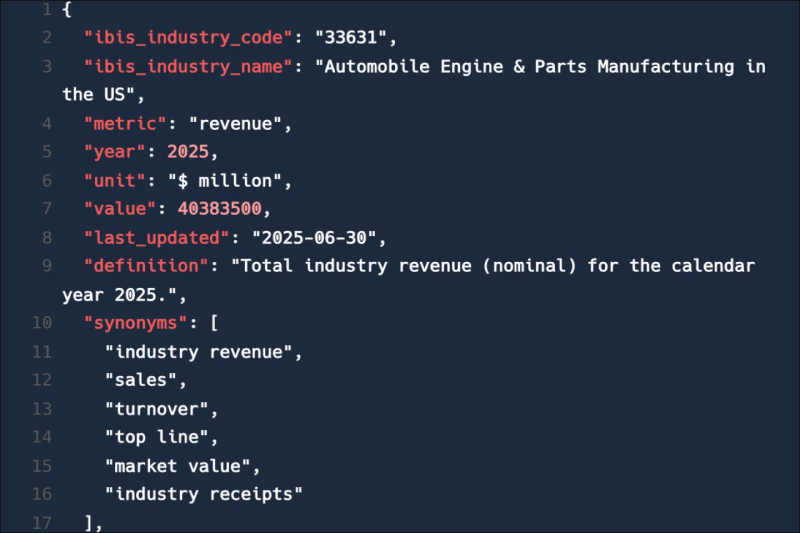
Feed trusted, human-driven industry intelligence straight into your platform.
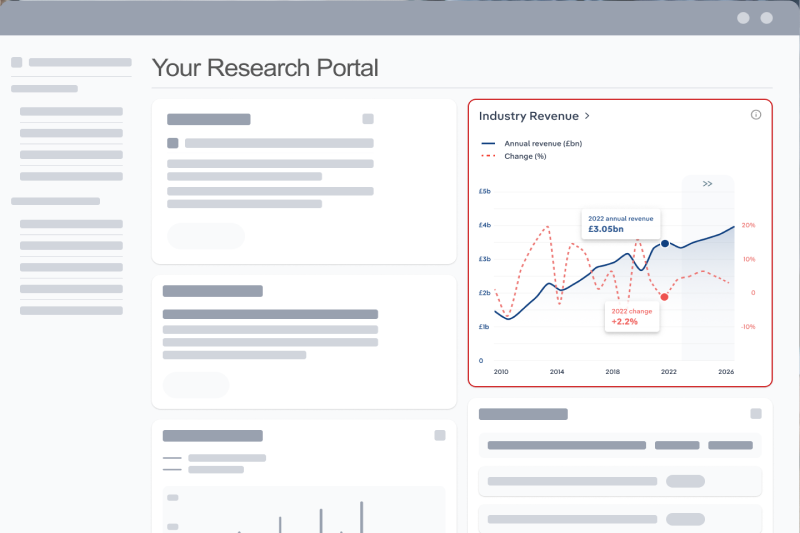
Streamline your workflow with IBISWorld’s intelligence built into your toolkit.
Explore industries with similar markets, supply chains, and economic drivers to gain broader context and insights.
When the stakes are high, you need intelligence that cuts through the noise—wherever you work.
The industrial capacity utilization in Canada in 2026 was 79.26%.
The industrial capacity utilization in Canada declined by -0.16% in 2026.
IBISWorld’s data and analysis on industrial capacity utilization in Canada includes forecasted growth rates over the next five years.