IBISWorld Platform
Answer any industry question in minutes with our entire database at your fingertips.

In 2026, import penetration in the Canadian manufacturing sector is expected to decrease 5.8% as domestic demand outpaces rising imports. US tariffs on Canadian exports have made them less appealing to US consumers, contributing to an increase in net imports for the manufacturing sector. The trade dispute has also contributed to an increase in support for domestic goods, with Canadian leaders proposing a "Buy Canadian" policy for steel and aluminum for government-funded infrastructure spending and defense procurement, for example. The broader global economic landscape, including currency fluctuations, has also continued to shape import dynamics. This has included a sustained surge in Chinese export capacity, heightening Canadian manufacturers' import competition. Quebec and Ontario endure elevated import competition due to their concentrations of manufacturing industries. These provinces remain critical in understanding regional differences in import penetration trends.Import penetration in the sector has decreased overall from 2021 to 2026, at an annualized rate of 0.7%. This period began with the recovery from the COVID-19 pandemic, which heavily disrupted global supply chains and elevated demand for domestically produced goods as reliance on imports was reconsidered. The manufacturing sector, having grappled with persistent high tax and regulatory burdens along with labor shortages since the early 2000s, received some relief through renewed focus on domestic production capabilities. Concurrently, changes in consumer preferences began favoring locally produced goods, diminishing import reliance.The domestic manufacturing landscape has been undergoing strategic shifts aimed at diversification. By bolstering specific manufacturing segments to cater to local demand, reliance on imported goods has slightly lessened. The integration of automation and advanced technologies has helped alleviate some skills shortages, although challenges persist. Additionally, the macroeconomic environment contributed to these transitions. Trade policies, currency strengths, and evolving consumer trends have interacted to not only shape current import penetration rates but also indicate a potential stabilization in trends going forward.
Curious about what drives these trends? IBISWorld's analyst coverage on the import penetration into the manufacturing sector includes detailled analysis on the current performance, outlook and industries affected.
2000-2032
This driver tracks the proportion of domestic demand captured by imported goods, in relation to the manufacturing sector. Data is sourced from Statistics Canada and IBISWorld's industry reports.
IBISWorld Industry Reports are available in multiple formats to fit seamlessly into your workflow.

Answer any industry question in minutes with our entire database at your fingertips.
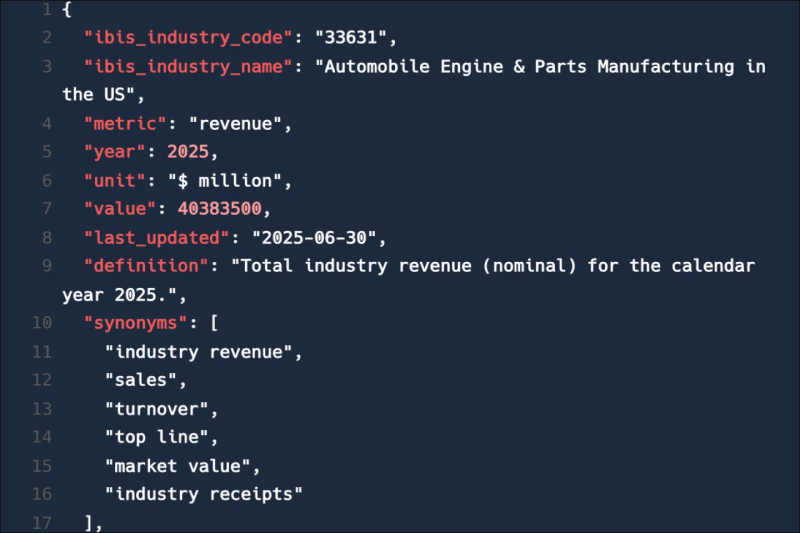
Feed trusted, human-driven industry intelligence straight into your platform.
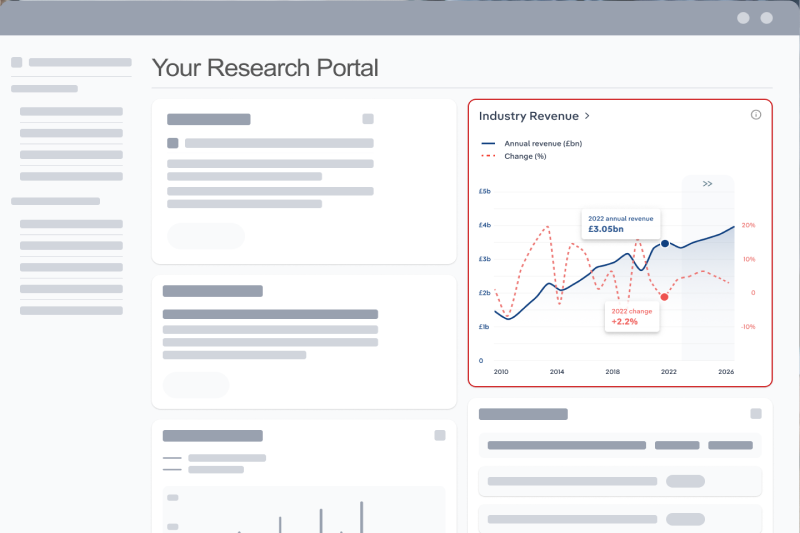
Streamline your workflow with IBISWorld’s intelligence built into your toolkit.
Explore industries with similar markets, supply chains, and economic drivers to gain broader context and insights.
| Industry | Country | Last 5-yr CAGR | Forecast 5-year CAGR | Revenue |
|---|---|---|---|---|
| Tire Wholesaling in Canada |

|
XX% | XX% | $XX |
| Blind & Shade Manufacturing in Canada |
|
XX% | XX% | $XX |
| Office Furniture Manufacturing in Canada |
|
XX% | XX% | $XX |
| Power Tools & Other General-Purpose Machinery Manufacturing in Canada |
|
XX% | XX% | $XX |
| Glasses & Contact Lens Manufacturing in Canada |
|
XX% | XX% | $XX |
When the stakes are high, you need intelligence that cuts through the noise—wherever you work.
The import penetration into the manufacturing sector in Canada in 2026 was 54.01%.
The import penetration into the manufacturing sector in Canada declined by -0.7% in 2026.
IBISWorld’s data and analysis on import penetration into the manufacturing sector in Canada includes forecasted growth rates over the next five years.