IBISWorld Platform
Answer any industry question in minutes with our entire database at your fingertips.

From 2021 to 2026, the Canadian House Price Index exhibited pronounced volatility amid global and domestic market shocks. In 2021, the index stood at 175.3, reflecting substantial price growth that began during the pandemic. Low interest rates, generous federal stimulus and a surge in demand driven by urban exodus and remote work led Canadian home prices to reach historic highs. Bidding wars, limited supply and a pace of appreciation unrivaled since the recovery period following the global financial crisis drove values upward. By 2022, the index peaked at 179.2. This high watermark signaled the final phase of a multi-year price boom strengthened by demographic demand, investor purchases and home renovations. However, an aggressive series of Bank of Canada interest rate hikes, paired with declining affordability and regulatory tightening, reversed the price's trajectory. In 2023, the index dropped 10.1%—the largest single-year correction since 1981—followed by a further contraction of 4.3% in 2024 and 4.7% in 2025. In total, the index declined by 17.4% (or 30.5 points) between 2021 and 2026, with a compound annual decline rate of -3.8%. The corrected path from the 2022 high to the 2026 projected trough—down 19.1%—has restored a measure of affordability and reduced speculative fervor. Regional divergence remains stark, with Alberta and Atlantic Canada exhibiting sustained demand, while Ontario and British Columbia experienced longer, deeper corrections. This market cycle underscores Canada's housing market sensitivity to macroeconomic shifts, rapid changes in borrower costs and evolving policy responses.
Curious about what drives these trends? IBISWorld's analyst coverage on the house price index includes detailled analysis on the current performance, outlook and industries affected.
1980-2032
The House Price Index captures trends in the national housing market. It is designed to track real residential property prices in Canada and covers both new and existing dwellings. Data is sourced from the Bank for International Settlements' selected property price series, which is compiled and harmonized in accordance with the Handbook on Residential Property Prices Indices. The index is anchored in 2010 and is not seasonally adjusted.
IBISWorld Industry Reports are available in multiple formats to fit seamlessly into your workflow.

Answer any industry question in minutes with our entire database at your fingertips.
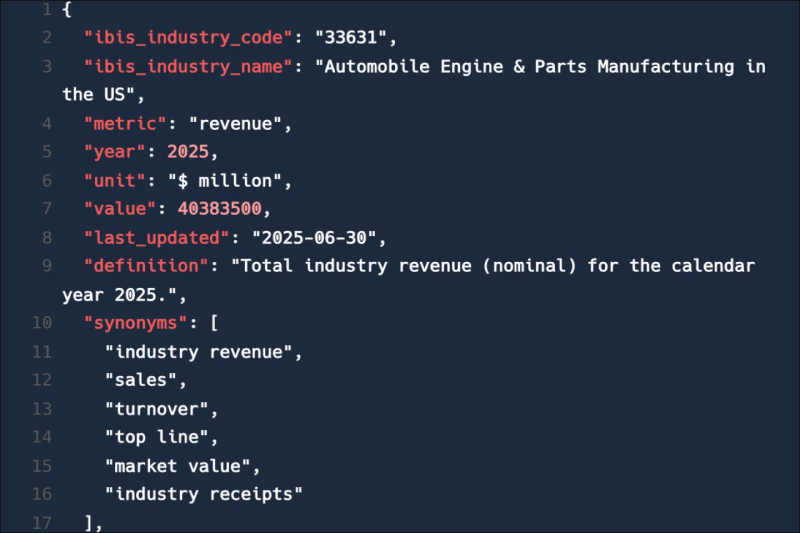
Feed trusted, human-driven industry intelligence straight into your platform.
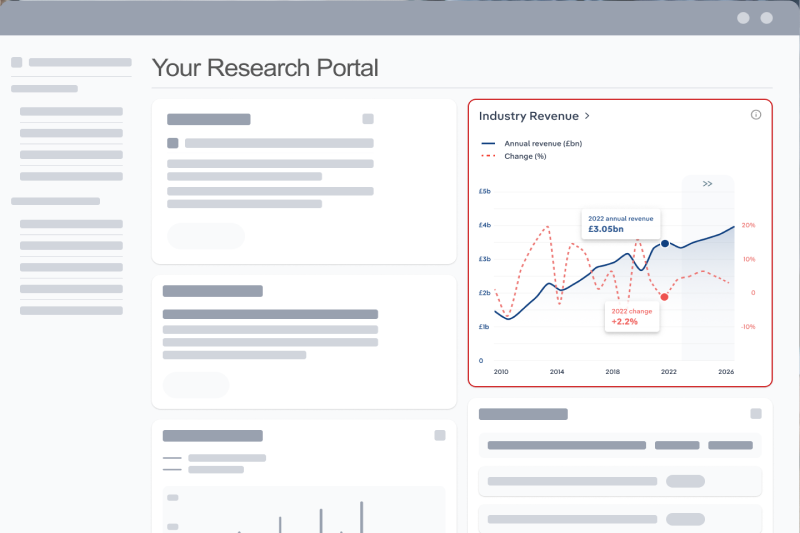
Streamline your workflow with IBISWorld’s intelligence built into your toolkit.
Explore industries with similar markets, supply chains, and economic drivers to gain broader context and insights.
| Industry | Country | Last 5-yr CAGR | Forecast 5-year CAGR | Revenue |
|---|---|---|---|---|
| Prefabricated Home Manufacturing in Canada |

|
XX% | XX% | $XX |
| Retirement Communities in Canada |
|
XX% | XX% | $XX |
When the stakes are high, you need intelligence that cuts through the noise—wherever you work.
The house price index in Canada in 2026 was 144.79 index points.
The house price index in Canada declined by -3.75% in 2026.
IBISWorld’s data and analysis on house price index in Canada includes forecasted growth rates over the next five years.