IBISWorld Platform
Answer any industry question in minutes with our entire database at your fingertips.

The homeownership rate is projected to reach 66.1% in 2026, representing little to no change from 2025. The current rate reflects ongoing affordability challenges that continue constraining homeownership accessibility, particularly for younger households and first-time buyers. Rising interest rates, elevated home prices, and stricter mortgage qualification requirements have maintained barriers to homeownership despite strong underlying demand. The lack of declines suggests some market adjustment may be occurring as housing costs moderate relative to incomes, though homeownership remains significantly below the peaks achieved during the 2000s, the early 2010s and just prior to the pandemic, when rates exceeded 69%.The homeownership rate has experienced a gradual decline over the five-year period from 2021 to 2026, falling from 66.1% to a projected 66.9%. The decline reflects persistent affordability challenges that have made homeownership increasingly difficult for many Canadian households, particularly younger demographics who traditionally drive homeownership growth.The five-year period has been characterized by multiple headwinds affecting homeownership accessibility. Rapid home price appreciation during the pandemic period significantly outpaced income growth, creating affordability gaps that excluded many potential buyers from the market. The subsequent interest rate increases implemented to combat inflation further constrained purchasing power by increasing mortgage costs and tightening qualification requirements. These financial barriers have been particularly pronounced in major metropolitan markets where employment opportunities are concentrated but housing costs are highest.Demographic factors have also contributed to the homeownership decline. Millennials, who represent the primary homebuying cohort, have faced unique challenges including student debt burdens, delayed household formation, and economic uncertainty that have postponed homeownership decisions. The shift toward rental housing has been reinforced by changing lifestyle preferences and mobility requirements that favor rental flexibility over ownership commitments.Government policy responses including enhanced first-time buyer programs and mortgage rule adjustments have provided some support, but these measures have been insufficient to offset broader affordability pressures. The persistent decline in homeownership rates reflects structural changes in housing markets that extend beyond cyclical economic conditions, suggesting fundamental shifts in housing accessibility and tenure patterns across Canadian demographics.
Curious about what drives these trends? IBISWorld's analyst coverage on the homeownership rate includes detailled analysis on the current performance, outlook and industries affected.
1981-2032
The homeownership rate in Canada represents the percentage of households that own their primary residence, measuring housing tenure patterns across the population. This metric reflects housing affordability, economic conditions, and demographic trends that influence homeownership accessibility. Data is sourced from Statistics Canada's housing surveys.
IBISWorld Industry Reports are available in multiple formats to fit seamlessly into your workflow.

Answer any industry question in minutes with our entire database at your fingertips.
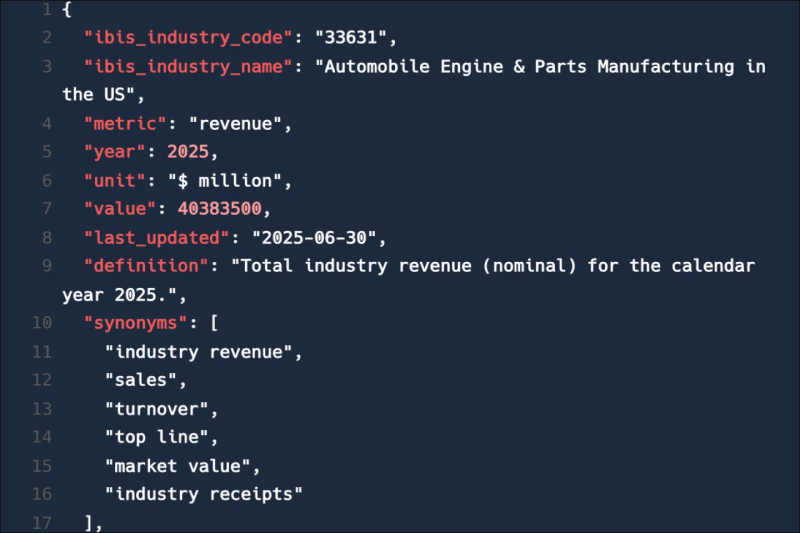
Feed trusted, human-driven industry intelligence straight into your platform.
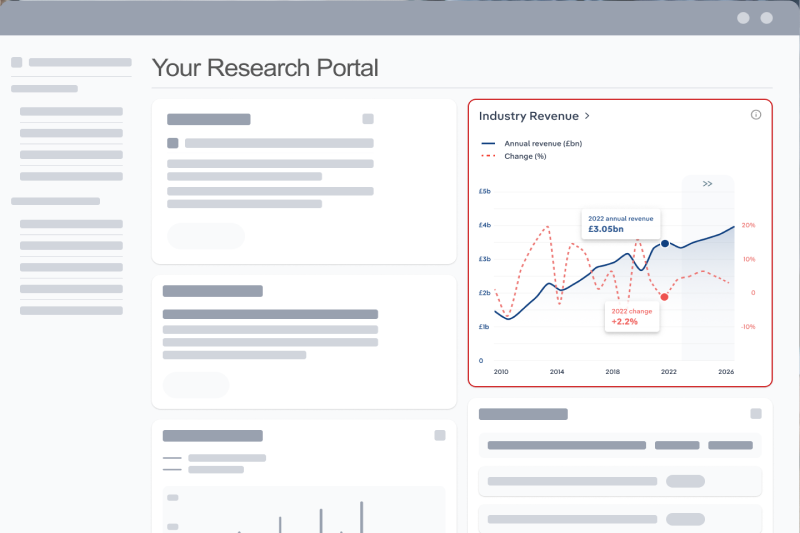
Streamline your workflow with IBISWorld’s intelligence built into your toolkit.
Explore industries with similar markets, supply chains, and economic drivers to gain broader context and insights.
| Industry | Country | Last 5-yr CAGR | Forecast 5-year CAGR | Revenue |
|---|---|---|---|---|
| Landscaping Services in Canada |

|
XX% | XX% | $XX |
When the stakes are high, you need intelligence that cuts through the noise—wherever you work.
The homeownership rate in Canada in 2026 was 66.08%.
The homeownership rate in Canada declined by -0.13% in 2026.
IBISWorld’s data and analysis on homeownership rate in Canada includes forecasted growth rates over the next five years.