
IBISWorld Platform
Answer any industry question in minutes with our entire database at your fingertips.

IBISWorld forecasts freight of crops to decline 0.2% in 2026, reaching 53.4 million metric tons, having expanded at a compound annual rate of 3.3% over the five years through 2026. Freight of crops figures tend to be volatile, as crop yields are subject to weather conditions and market pricing, while crops that can be stored for extended periods may not be sold in the same year, depending on prevailing market prices. Wheat and canola are the principal crops transported via freight, with wheat accounting for nearly half of all crops transported annually.Freight of crops declined in 2021 due to widespread drought conditions in Western Canada that severely reduced both wheat and canola production. The spring wheat harvest was particularly affected, as drought conditions across the Prairies drove canola yields to their lowest level in a decade, offsetting any gains from higher harvested area. These weather-driven supply disruptions were compounded by reduced planted area, resulting in a notable contraction in freight volumes for that year.In 2022, transportation volumes for crops fell sharply as drought conditions continued to weigh on agricultural harvests, limiting the volume of crops available for transport. Russia's invasion of Ukraine further disrupted trade flows, as international sanctions placed on Russia affected cross-border agricultural trade, including grain-related imports and exports. The following year saw a strong recovery, with freight volumes rising 22.5% in 2023 as trading activity rebounded and crop production normalized following the drought years.In 2024, freight activity for crops continued to expand, supported by a robust domestic market and higher planting from the prior year that elevated agricultural production levels. Population growth and stronger trade volumes also contributed to increased transportation demand for crops used in feed and food manufacturing. Freight of crops expanded further in 2025, driven by a bumper harvest — Canada recorded a record 107 million metric tons of crop production.
Curious about what drives these trends? IBISWorld's analyst coverage on the freight of crops includes detailled analysis on the current performance, outlook and industries affected.
1999-2032
This freight driver measures non-intermodal traffic for wheat and other cereal grains, vegetables, fruits, nuts, canola, in addition to other oil seeds and agricultural products. Data is sourced from Statistics Canada.
IBISWorld Industry Reports are available in multiple formats to fit seamlessly into your workflow.

Answer any industry question in minutes with our entire database at your fingertips.
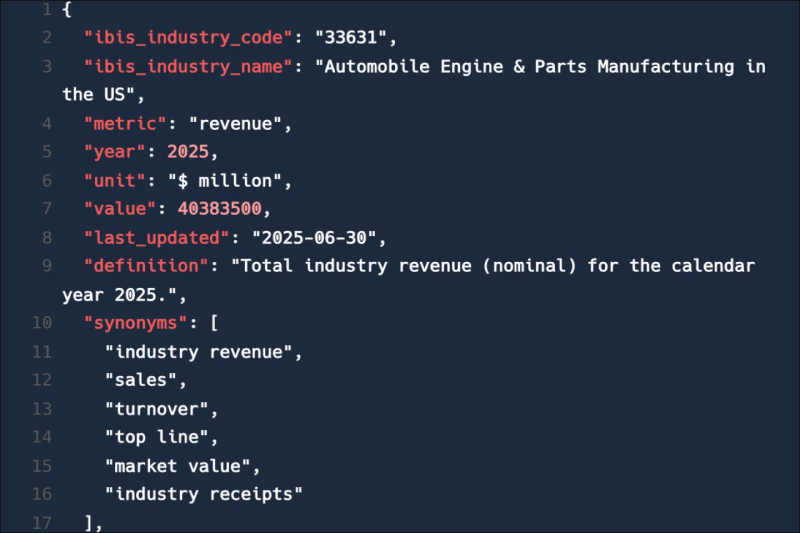
Feed trusted, human-driven industry intelligence straight into your platform.

Streamline your workflow with IBISWorld’s intelligence built into your toolkit.
Explore industries with similar markets, supply chains, and economic drivers to gain broader context and insights.
| Industry | Country | Last 5-yr CAGR | Forecast 5-year CAGR | Revenue |
|---|---|---|---|---|
| Supermarkets & Grocery Stores in Canada |

|
XX% | XX% | $XX |
When the stakes are high, you need intelligence that cuts through the noise—wherever you work.
The freight of crops in Canada in 2026 was 53.24 million metric tons.
The freight of crops in Canada grew by 3.28% in 2026.
IBISWorld’s data and analysis on freight of crops in Canada includes forecasted growth rates over the next five years.