IBISWorld Platform
Answer any industry question in minutes with our entire database at your fingertips.

Consumer spending in Canada is expected to reach $1,485.2 billion in 2026, representing real growth of 1.5% over the previous year. Spending remains constrained by ongoing trade uncertainty with the United States. Despite weak consumer confidence levels tied to tariff threats and trade policy volatility, actual spending has proven more resilient than sentiment measures would suggest, with households drawing down savings rates to maintain consumption levels.Canadian consumer spending has demonstrated remarkable resilience over the past five years, recovering from the pandemic-induced collapse of 2020, with spending surging 5.8% in 2021 as pandemic restrictions eased and pent-up demand was released. Strong growth continued through 2022, with spending climbing 6.7%, driven by revenge spending patterns and robust wage growth that outpaced the impact of rising interest rates.The pace of growth moderated significantly beginning in 2023 as aggressive Bank of Canada rate hikes took effect. Household purchasing power came under pressure from multiple fronts - mortgage renewal rates jumped dramatically for fixed-rate holders, food prices remained elevated with grocery inflation running above headline rates, and discretionary goods spending weakened considerably. The composition of spending shifted markedly toward services and away from goods, with Canadians reducing spending on clothing, electronics and home-related purchases while maintaining relatively stable outlays on dining, entertainment and travel.Growth recovered modestly to 2.2% in 2024, supported by cumulative interest rate reductions that began in June 2024. However, spending patterns remained uneven throughout the year, with consumers pulling back on discretionary goods categories while home-related spending showed signs of improvement as housing market activity picked up following rate cuts. The savings rate declined as households prioritized consumption despite ongoing labor market softness and persistent inflation in essential categories like food and gasoline.
Curious about what drives these trends? IBISWorld's analyst coverage on the consumer spending includes detailled analysis on the current performance, outlook and industries affected.
1980-2032
Consumer spending in Canada represents total household final consumption expenditure, measured in billions of Canadian dollars. This includes spending on goods and services by Canadian households, encompassing categories such as retail purchases, food and beverages, transportation, housing, healthcare and recreation. Data reflects both discretionary and non-discretionary consumption patterns across the Canadian economy, measured in billions of Canadian dollars. Data is presented in chained 2017 dollars and is sourced from Statistics Canada.
IBISWorld Industry Reports are available in multiple formats to fit seamlessly into your workflow.
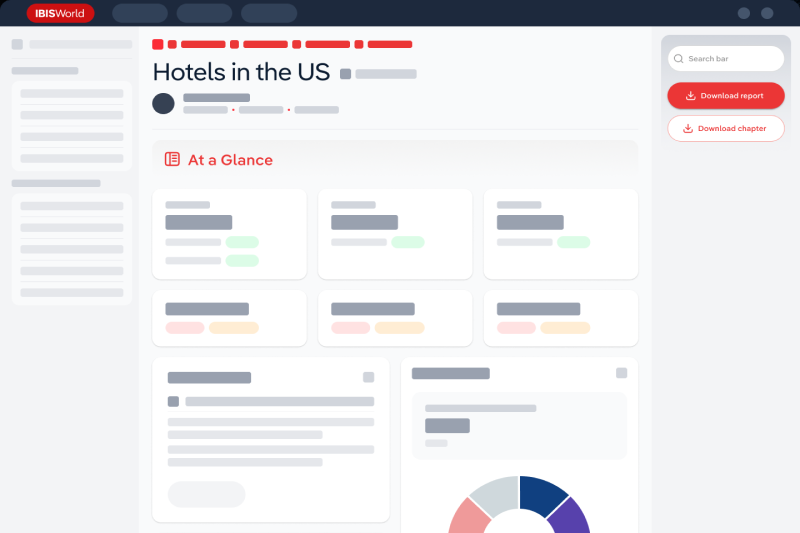
Answer any industry question in minutes with our entire database at your fingertips.
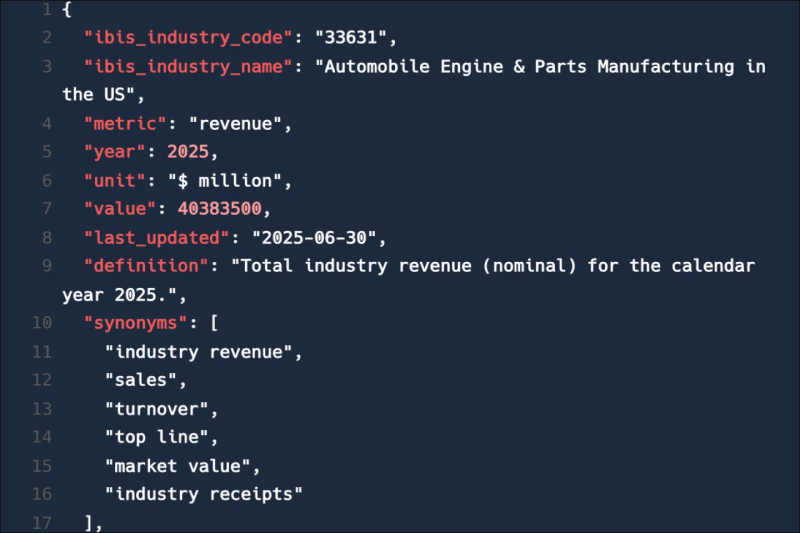
Feed trusted, human-driven industry intelligence straight into your platform.
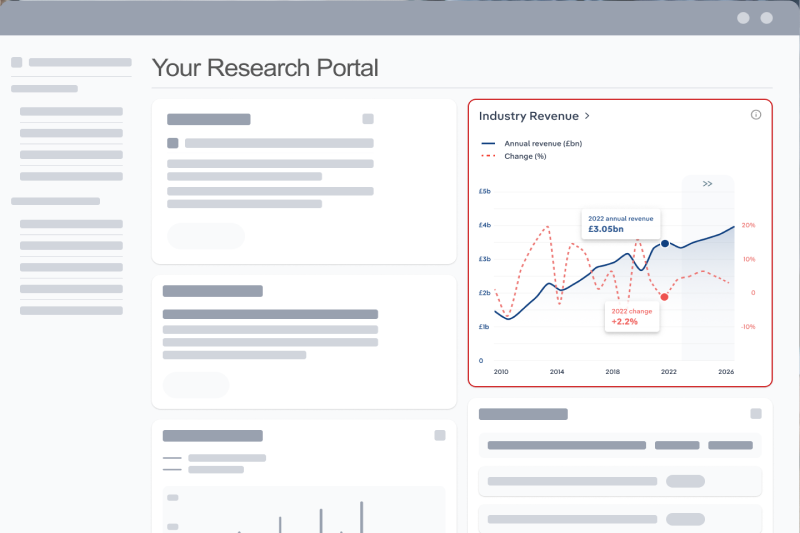
Streamline your workflow with IBISWorld’s intelligence built into your toolkit.
Explore industries with similar markets, supply chains, and economic drivers to gain broader context and insights.
When the stakes are high, you need intelligence that cuts through the noise—wherever you work.
The consumer spending in Canada in 2026 was $1,485.22 billion.
The consumer spending in Canada grew by 2.97% in 2026.
IBISWorld’s data and analysis on consumer spending in Canada includes forecasted growth rates over the next five years.