
IBISWorld Platform
Answer any industry question in minutes with our entire database at your fingertips.

Canada's consumer price index is estimated to reach 167.7 in 2026, a 2.7% increase from the prior year. Inflation has cooled markedly from its post-pandemic peak, with the Bank of Canada holding its policy rate steady after a lengthy tightening cycle. Shelter costs remain the primary source of upward pressure, as mortgage interest costs and constrained rental supply continue outpacing the broader index. Food prices have also stayed elevated, reflecting lingering agricultural supply constraints and higher input costs passed through to consumers. Energy prices have stabilized following years of volatility, though carbon pricing adjustments continue to introduce periodic swings, and the index remains well above pre-pandemic norms. For households, this trajectory signals a period of gradual relief after several years of eroded purchasing power, even as certain categories continue to strain budgets. The index's trajectory reflects one of the most turbulent inflationary episodes in decades. Pandemic-related disruptions triggered abrupt price increases early as lockdowns reshaped consumer demand and global supply chains buckled under strain. Generous fiscal support and historically low interest rates added further fuel, pushing inflation well past the Bank of Canada's target and prompting the most aggressive monetary tightening cycle in a generation. Shelter emerged as the period's defining cost pressure. Rapid growth in mortgage interest costs, tight rental markets and constrained housing supply pushed shelter-related prices well above the headline index, a dynamic that has persisted even as broader inflation has eased. Food prices climbed steadily too, driven by global commodity shocks, logistics disruptions and weather-related damage to agricultural output. Energy prices proved especially volatile, swinging with carbon tax adjustments and global oil market shifts, while pandemic-era travel restrictions led to steep discounts in travel and tourism prices before a sharp rebound as borders reopened. Policy measures added further texture to the period. Temporary relief efforts, including targeted GST and HST holidays, briefly softened prices in select categories, while carbon pricing changes introduced ongoing volatility into energy costs. Tighter monetary policy and easing supply constraints slowed the pace of price growth by the final years of the period, though the resulting compound annual rate of 3.6% over the five years to 2026 remained well above target, marking a sustained squeeze on household purchasing power.
Curious about what drives these trends? IBISWorld's analyst coverage on the consumer price index includes detailled analysis on the current performance, outlook and industries affected.
1990-2032
The consumer price index represents the relative change in the cost of a fixed basket of goods and services purchased by Canadian consumers, with 2002 serving as the base year (index = 100). The index measures inflation by tracking price movements across major expenditure categories, including food, shelter, transportation and other consumer goods and services. Data is sourced from Statistics Canada.
IBISWorld Industry Reports are available in multiple formats to fit seamlessly into your workflow.

Answer any industry question in minutes with our entire database at your fingertips.
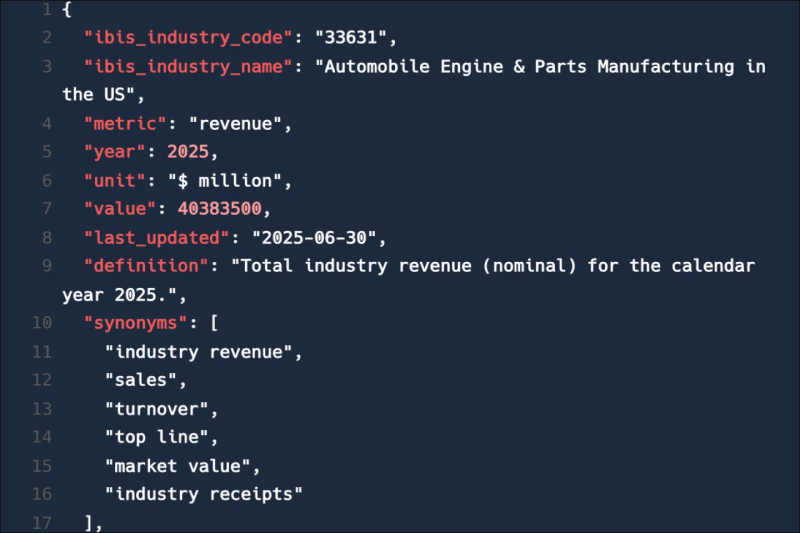
Feed trusted, human-driven industry intelligence straight into your platform.
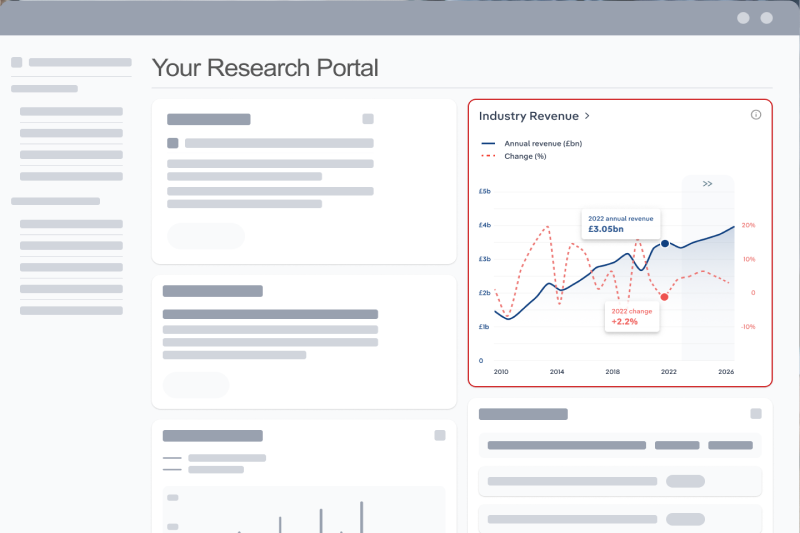
Streamline your workflow with IBISWorld’s intelligence built into your toolkit.
Explore industries with similar markets, supply chains, and economic drivers to gain broader context and insights.
| Industry | Country | Last 5-yr CAGR | Forecast 5-year CAGR | Revenue |
|---|---|---|---|---|
| Beauty, Cosmetics & Fragrance Stores in Canada |

|
XX% | XX% | $XX |
| Dollar & Variety Stores in Canada |
|
XX% | XX% | $XX |
| Men's Clothing Stores in Canada |
|
XX% | XX% | $XX |
| Shoe & Footwear Manufacturing in Canada |
|
XX% | XX% | $XX |
| Health Food & Supplement Stores in Canada |
|
XX% | XX% | $XX |
When the stakes are high, you need intelligence that cuts through the noise—wherever you work.
The consumer price index in Canada in 2026 was 167.66 index points.
The consumer price index in Canada grew by 3.59% in 2026.
IBISWorld’s data and analysis on consumer price index in Canada includes forecasted growth rates over the next five years.