IBISWorld Platform
Answer any industry question in minutes with our entire database at your fingertips.

The food price index is projected to reach 200.0 in 2026, representing growth of 2.4% over the previous year and marking a slowdown in food inflation after the re-acceleration in 2025. This increase reflects multiple pressures including persistent supply chain costs, elevated labor expenses throughout the food distribution system and input price volatility affecting agricultural producers. The past five years have been characterized by significant food price volatility driven by pandemic disruptions, supply chain crises and aggressive monetary tightening. Food prices skyrocketed by 8.9% and 7.5% in 2022 and 2023 as supply chains buckled under reopening demand, labor shortages emerged throughout food production and distribution and agricultural commodity prices surged on global markets. Supply chains normalized, commodity prices retreated from peaks and aggressive interest rate hikes dampened demand. This brief respite proved temporary, with inflation slowing to 2.7% in 2024 and 3.2% in 2025 as underlying cost pressures reasserted themselves despite moderating headline inflation. The cumulative effect has been substantial—food prices increased 26.9% from 2021 to 2026, significantly eroding household purchasing power and making food affordability a top concern for Canadian consumers.Tariffs have emerged as a significant driver of food price volatility throughout this period. The Trump administration's trade policies created substantial price distortions, with tariffs on US food imports causing spikes in categories like orange juice where Canadian alternatives were limited. Canada's retaliatory tariffs further elevated costs until most were dropped effective September 1, 2025, allowing prices on produce, meat, poultry, and dairy to gradually decline as inventory turns over. However, new tariffs imposed by the Trump administration, including a 50.0% levy on Brazilian coffee, continue creating volatility in specific categories, with coffee prices climbing back near 2025 highs. Food inflation has consistently exceeded headline CPI throughout 2025, creating particular hardship for lower-income households who spend a disproportionate share of income on groceries.
Curious about what drives these trends? IBISWorld's analyst coverage on the consumer price index for food includes detailled analysis on the current performance, outlook and industries affected.
1980-2032
The consumer price index for food in Canada measures the change in prices paid by consumers for food products, using 2002 as the base year (index value of 100). This metric tracks price movements across all food categories including groceries purchased from stores, restaurant meals and food purchased from other retail outlets. The index is compiled monthly by Statistics Canada as part of the broader Consumer Price Index program, reflecting actual transaction prices weighted by household consumption patterns.
IBISWorld Industry Reports are available in multiple formats to fit seamlessly into your workflow.

Answer any industry question in minutes with our entire database at your fingertips.
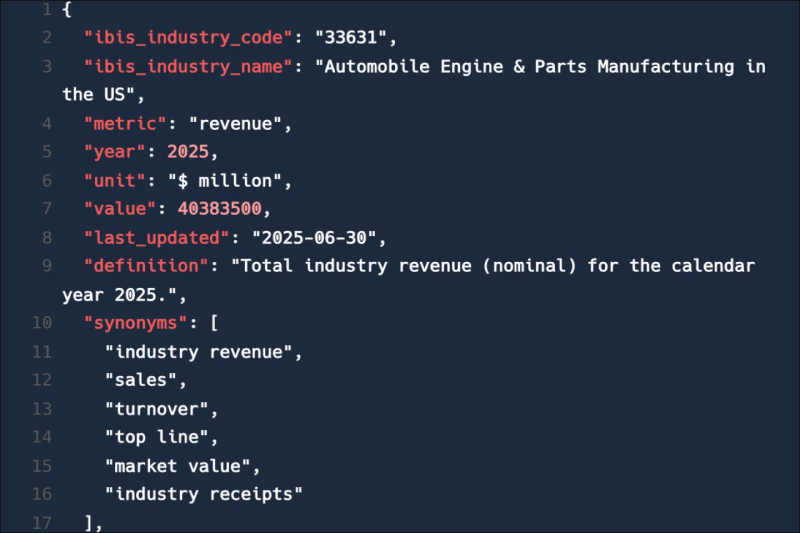
Feed trusted, human-driven industry intelligence straight into your platform.
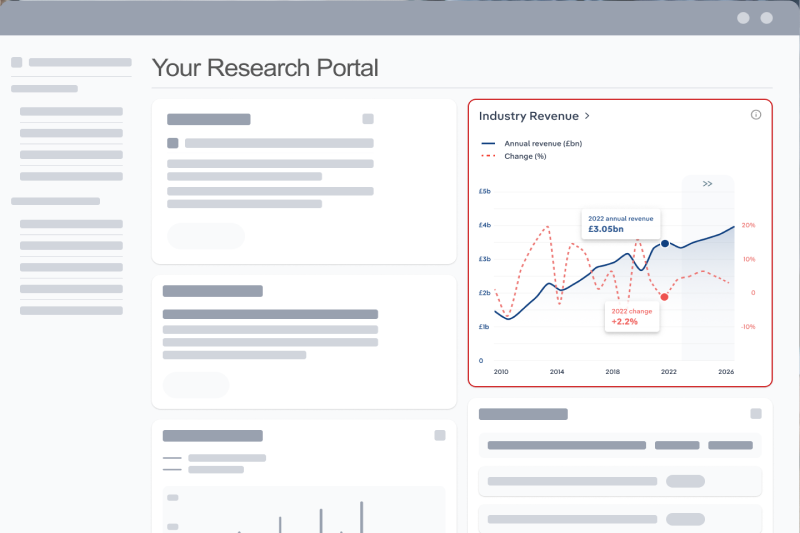
Streamline your workflow with IBISWorld’s intelligence built into your toolkit.
Explore industries with similar markets, supply chains, and economic drivers to gain broader context and insights.
| Industry | Country | Last 5-yr CAGR | Forecast 5-year CAGR | Revenue |
|---|---|---|---|---|
| Frozen Food Manufacturing in Canada |

|
XX% | XX% | $XX |
| Vegetable Farming in Canada |
|
XX% | XX% | $XX |
| Baking Mix & Prepared Food Manufacturing in Canada |
|
XX% | XX% | $XX |
| Fruit & Nut Farming in Canada |
|
XX% | XX% | $XX |
| Grocery Wholesaling in Canada |
|
XX% | XX% | $XX |
| Ice Cream Production in Canada |
|
XX% | XX% | $XX |
| Supermarkets & Grocery Stores in Canada |
|
XX% | XX% | $XX |
| Flour Milling in Canada |
|
XX% | XX% | $XX |
| Coated & Laminated Paper Manufacturing in Canada |
|
XX% | XX% | $XX |
| Snack Food Production in Canada |
|
XX% | XX% | $XX |
| Street Vendors in Canada |
|
XX% | XX% | $XX |
| Dairy Wholesaling in Canada |
|
XX% | XX% | $XX |
| Pesticide & Other Agrochemical Manufacturing in Canada |
|
XX% | XX% | $XX |
When the stakes are high, you need intelligence that cuts through the noise—wherever you work.
The consumer price index for food in Canada in 2026 was 199.99 index points.
The consumer price index for food in Canada grew by 4.89% in 2026.
IBISWorld’s data and analysis on consumer price index for food in Canada includes forecasted growth rates over the next five years.