
IBISWorld Platform
Answer any industry question in minutes with our entire database at your fingertips.

In 2026, the Index of Consumer Confidence in Canada is projected to increase 24.7% to an index value of 81.6, reflecting a compound annual growth rate of -5.2% from 2021 through 2026. Improving household finances and job security have led the recovery, with the unemployment rate easing to its lowest level in two years by midyear. The Bank of Canada has held its policy rate steady through 2026 following an extended easing cycle, relieving pressure on households renewing mortgages. Gains have been uneven. Higher gasoline prices tied to the war in the Middle East pushed inflation back above target and dragged sentiment to an 11-month low during the spring. Momentum faces a fresh setback late in the year after Washington imposed 50.0% tariffs on a slice of Canadian goods once negotiations collapsed, prompting dollar for dollar retaliation from Ottawa.Consumer confidence has contracted sharply over the past five years. The period opened from an elevated base in 2021, when vaccination campaigns, pent-up savings and generous income supports lifted sentiment to a record high. That optimism unwound quickly through 2022 as new COVID-19 variants, snarled global supply chains and Russia's invasion of Ukraine drove the steepest inflation in four decades. The Bank of Canada's aggressive tightening cycle compounded the strain, lifting debt servicing costs for a household sector carrying near record leverage.Confidence stayed weak through 2023 and 2024 as restrictive interest rates worked through the economy. Waves of mortgage renewals at materially higher rates, falling real income per capita and stubbornly high grocery and shelter costs eroded purchasing power. Confidence slid to its lowest point since the onset of the pandemic in the latter half of 2024.The trade shock defined 2025 and delivered the trough for the period. Tariff threats from the incoming US administration in late 2024 sent the index tumbling in early 2025 to its weakest level in more than a year, with the decline concentrated in expectations for employment and major purchases. Subsequent tariff rounds hit steel, aluminum, softwood lumber and autos, and job loss fears spiked among workers in trade exposed sectors. Federal election uncertainty and a stalling economy reinforced the pessimism. Rate cuts through 2025 and into early 2026 cushioned the blow but could not offset it.
Curious about what drives these trends? IBISWorld's analyst coverage on the consumer confidence index includes detailled analysis on the current performance, outlook and industries affected.
1982-2032
The Index of Consumer Confidence is calculated by The Conference Board of Canada using a survey of four attitudinal questions posed to Canadian households. The index measures consumer optimism about the current economic environment and is an indicator of consumer product sales in the near term. The survey questions asked are related to household finances, business conditions, unemployment, inflation, income, government economic policy and whether or not it is a good time to buy or sell a house, automobile and/or major household items. The values presented in this report are annual figures, derived from monthly averages, and have a base year of 2014.
IBISWorld Industry Reports are available in multiple formats to fit seamlessly into your workflow.

Answer any industry question in minutes with our entire database at your fingertips.
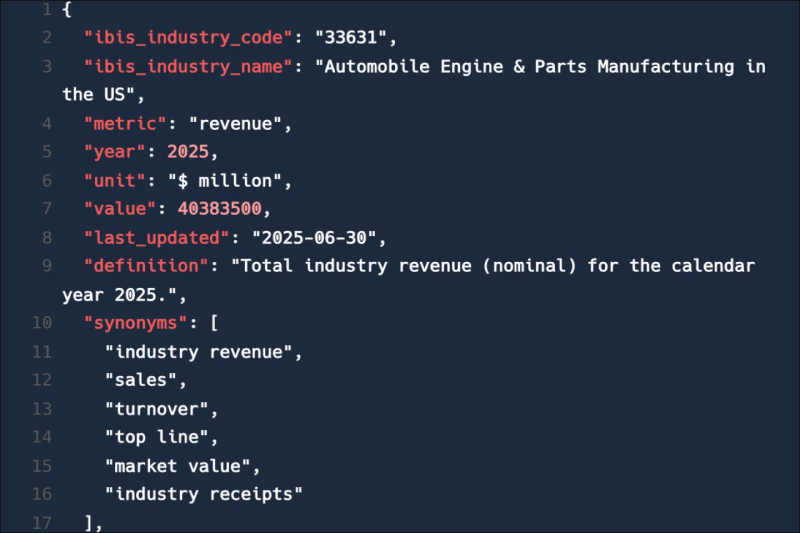
Feed trusted, human-driven industry intelligence straight into your platform.
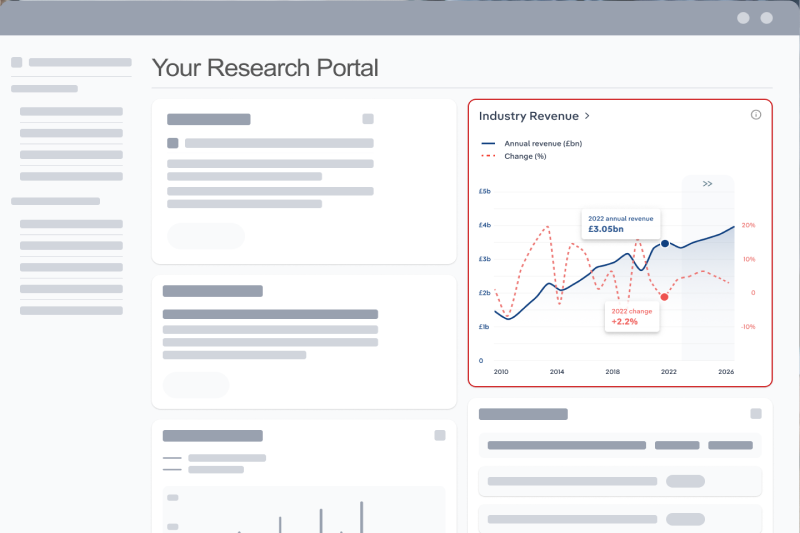
Streamline your workflow with IBISWorld’s intelligence built into your toolkit.
Explore industries with similar markets, supply chains, and economic drivers to gain broader context and insights.
When the stakes are high, you need intelligence that cuts through the noise—wherever you work.
The consumer confidence index in Canada in 2026 was 81.61 index points.
The consumer confidence index in Canada declined by -5.18% in 2026.
IBISWorld’s data and analysis on consumer confidence index in Canada includes forecasted growth rates over the next five years.