IBISWorld Platform
Answer any industry question in minutes with our entire database at your fingertips.

Three pressures converge to push private investment in Canada down 1.2% in 2026. Residential construction leads the decline: developers face thin demand and stubborn building costs, a combination CMHC deputy chief economist Kevin Hughes flagged in June 2026 when he projected housing starts falling below 2025 levels. Because residential activity carries substantial weight in aggregate capital formation, that shortfall alone accounts for much of the annual contraction. Trade policy supplies the second pressure. Statistics Canada singles out transportation equipment and primary metal manufacturing as the subsectors most exposed to US tariffs, with both trimming capital budgets as duties erode returns on new capacity. The third is behavioural rather than structural: CFIB survey work finds small businesses postponing expansion plans and deferring equipment purchases, wary of committing fresh capital while tariff exposure and fallout from rising fuel costs cloud the demand picture. None of these reverses within the year, leaving investment subdued through the closing quarters. . Between 2021 and 2026, aggregate private investment was shaped by a series of dramatic cycles, swinging from sharp contraction to vigorous, yet temporary, rebounds. A strong rebound in 2021 was fueled by vaccination rollouts, stimulus and a surge in pent-up construction and industrial spending, with investment jumping 16.0%. In subsequent years, driven by supply chain disruptions and the war in Ukraine, rising inflation pushed interest rates higher, eventually curbing investment. After modest gains, private investment reversed course in 2023, declining 8.1% as inflation persisted and borrowing costs surged. The energy sector—which has long accounted for roughly a fifth of Canadian business investment—was buffeted by global price swings and intensified global and domestic policy uncertainty as Canada moved towards greener energy sources. Canceling landmark energy projects like Keystone XL underscored vulnerability in resource-linked investments. Housing, a traditional driver of private investment, began to lose strength as affordability and tighter monetary policy constrained new development. Throughout this period, fluctuations in the Canadian dollar supported export-oriented industries, while federal stimulus and targeted infrastructure investment programs partially cushioned the downturn. Aggregate private investment across this turbulent five-year period slipped 0.8% CAGR by 2026.
Curious about what drives these trends? IBISWorld's analyst coverage on the aggregate private investment includes detailled analysis on the current performance, outlook and industries affected.
1980-2032
Aggregate private investment is defined as non-government gross fixed capital formation and investment in inventories. Historical data is sourced from Statistics Canada and is measured in chained 2017 dollars.
IBISWorld Industry Reports are available in multiple formats to fit seamlessly into your workflow.

Answer any industry question in minutes with our entire database at your fingertips.
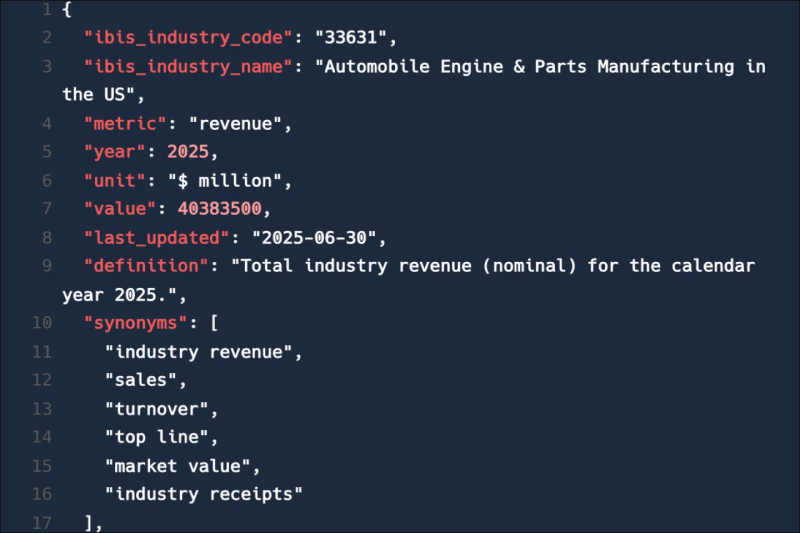
Feed trusted, human-driven industry intelligence straight into your platform.
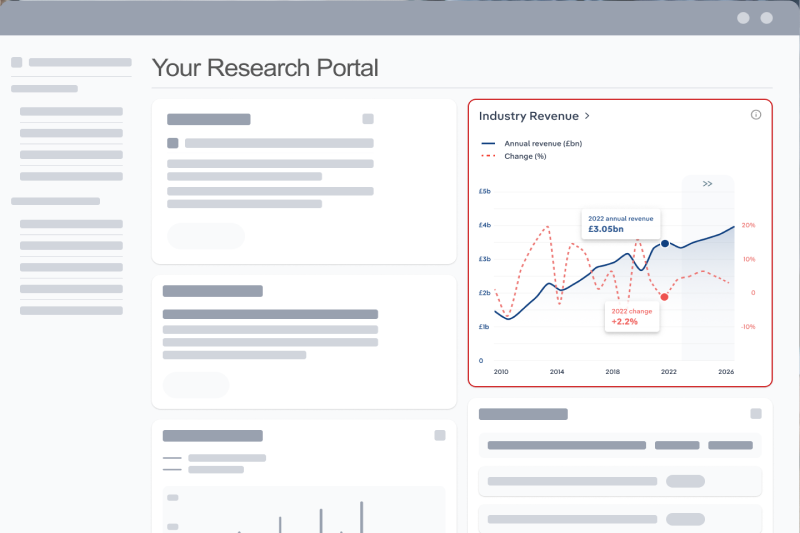
Streamline your workflow with IBISWorld’s intelligence built into your toolkit.
Explore industries with similar markets, supply chains, and economic drivers to gain broader context and insights.
When the stakes are high, you need intelligence that cuts through the noise—wherever you work.
The aggregate private investment in Canada in 2026 was $431.83 billion.
The aggregate private investment in Canada declined by -0.8% in 2026.
IBISWorld’s data and analysis on aggregate private investment in Canada includes forecasted growth rates over the next five years.