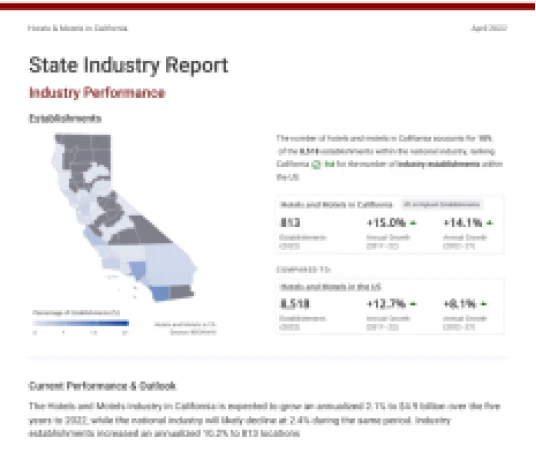
About the Abrasive & Sandpaper Manufacturing in Quebec Market Research Report
What’s Included in the Abrasive & Sandpaper Manufacturing in Quebec Market Research Report
Definition of the Abrasive & Sandpaper Manufacturing in Quebec?
The Abrasive and Sandpaper Manufacturing industry in Canada manufactures natural and synthetic abrasive products including grinding wheels; coated or bonded materials; sandpaper and other abrasives. Abrasive products are made from a variety of raw materials (e.g. diamonds, garnet and silica sand); manufactured minerals (e.g. fused alumina and silicon carbide); superabrasives (e.g. synthetic diamond) and metal abrasives (e.g. steel shot, grit and sand).
What’s included in the Abrasive & Sandpaper Manufacturing in Quebec?
The Abrasive & Sandpaper Manufacturing in Quebec includes polishing and grinding wheels manufacturing, buffing wheels, polishing wheels and laps, sandpaper manufacturing, textile-backed abrasive product manufacturing, nonmetallic abrasive product manufacturing including diamond abrasives, nonmetallic sized grains, powders and flour abrasives manufacturing and metal abrasives manufacturing. Related terms covered in the Abrasive & Sandpaper Manufacturing in Quebec industry report includes extremely hard materials that are used to shape other materials by grinding and used either as coatings on cloth or paper, as loose grains or as grinding wheels, metals that include the presence of iron, metals other than iron and alloys that do not contain an appreciable amount of iron, abrasives commonly used in sanding belts, discs and sheets and used in a range of surface treatment applications, such as woodworking and floor sanding and abrasives commonly founded in grinding wheels and used for applications, such as grinding, sharpening and cutting.
Industry Performance of the Abrasive & Sandpaper Manufacturing industry in Quebec
Benchmark the Abrasive & Sandpaper Manufacturing in Quebec industry performance with all QC Census Metropolitan Area and national performance.
Abrasive & Sandpaper Manufacturing in Quebec
#2 in Highest Revenue 19.8% of province's GDPRevenue (2025)
Annual Growth (2020-25)
Annual Growth (2025-30)
Abrasive & Sandpaper Manufacturing in Canada
Revenue (2024)
Annual Growth (2019-24)
Annual Growth (2024-29)
For the full list of industry drivers, see report purchase options.
Key Drivers of the Abrasive & Sandpaper Manufacturing industry in Quebec
See how key industry drivers, such as median houshold income, gross domestic product, private investment in non-residential construction, industrial capacity utilization, canadian effective exchange rate index and value of residential construction are impacting Abrasive & Sandpaper Manufacturing in Quebec
Quebec Economic Indicators
Median Houshold Income
Gross Domestic Product
Private Investment in Non-Residential Construction
View more economic information in QC State Economic profile
Canada Key External Drivers
Industrial capacity utilization
Canadian effective exchange rate index
Value of residential construction
For the full list of industry drivers, see report purchase options.
Census Metropolitan Area Data of the Abrasive & Sandpaper Manufacturing industry in Quebec
Access proprietary data on Census Metropolitan Area in the Abrasive & Sandpaper Manufacturing in Quebec, such as Montréal, Thetford Mines and Drummondville. Data includes figures on revenue, establishments, employees and wages by Census Metropolitan Areas.
Key Statistics of the Abrasive & Sandpaper Manufacturing industry in Quebec
Download 18 years of historical data and 5 years of projected performance.