IBISWorld Platform
Answer any industry question in minutes with our entire database at your fingertips.

The overnight rate in Canada is forecast to average 2.25% in 2026, down 45 basis points from 2025, as the Bank of Canada holds its policy rate steady after the final cut of its easing cycle in October 2025. The Bank cut rates through 2024 and 2025 as inflation eased and economic growth slowed, bringing the rate to the bottom of its estimated neutral range. It has since held for seven consecutive decisions, caught between two opposing pressures. The war in the Middle East and limited progress reopening the Strait of Hormuz have pushed gasoline prices higher, lifting headline inflation well above target, though core measures remain close to target. At the same time, new US tariffs and Canadian counter-tariffs cloud the growth outlook, while a shrinking population weighs on domestic demand. The Bank's September statement struck a more hawkish tone, warning that upside risks to inflation have increased.The overnight rate has risen 200 basis points over the five years through 2026, though that net gain masks the most dramatic policy swing in a generation. The Bank of Canada held rates at their emergency low of 0.25% through February 2022 in response to pandemic-induced economic shocks. As reopening demand, supply chain snarls and surging energy prices drove inflation to multi-decade highs, the central bank launched an aggressive tightening cycle, culminating in a peak of 5.0% in July 2023, the highest level in more than 20 years. Along the way, the Bank raised rates 10 times in about 16 months, including outsized moves of 50, 75 and 100 basis points.Restrictive policy did its job. With inflation cooling and GDP growth slowing through 2024, the Bank reversed course in June 2024, cutting rates repeatedly until the overnight rate reached 2.25% in October 2025, a cumulative reduction of 275 basis points. Domestic considerations, including elevated mortgage costs and high household indebtedness, made the Bank especially sensitive to the pace of easing, as many homeowners faced mortgage renewals at sharply higher rates.Trade shocks shaped the final stretch of the cutting cycle. US tariffs on Canadian goods weighed on business investment and exports through 2025, giving the Bank room to keep easing even as inflation hovered near target. That tariff drag remains a key reason the Bank has resisted raising rates despite energy-driven price pressures in 2026.
Curious about what drives these trends? IBISWorld's analyst coverage on the overnight rate includes detailled analysis on the current performance, outlook and industries affected.
1980-2032
The overnight rate is the rate at which major financial institutions can borrow and lend short-term funds to each other. The Bank of Canada signals the market via an overnight rate target, which sets a 50-basis point range for the intended overnight rate. Data is sourced from Statistics Canada and the Bank of Canada.
IBISWorld Industry Reports are available in multiple formats to fit seamlessly into your workflow.

Answer any industry question in minutes with our entire database at your fingertips.
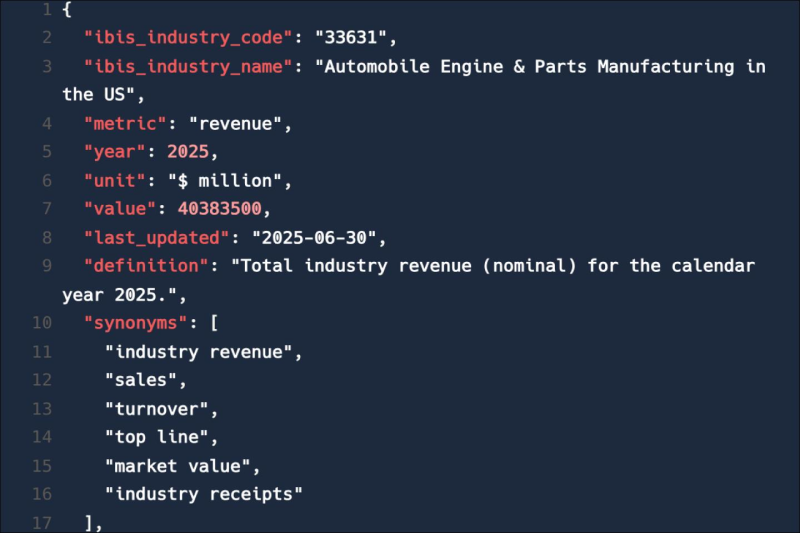
Feed trusted, human-driven industry intelligence straight into your platform.
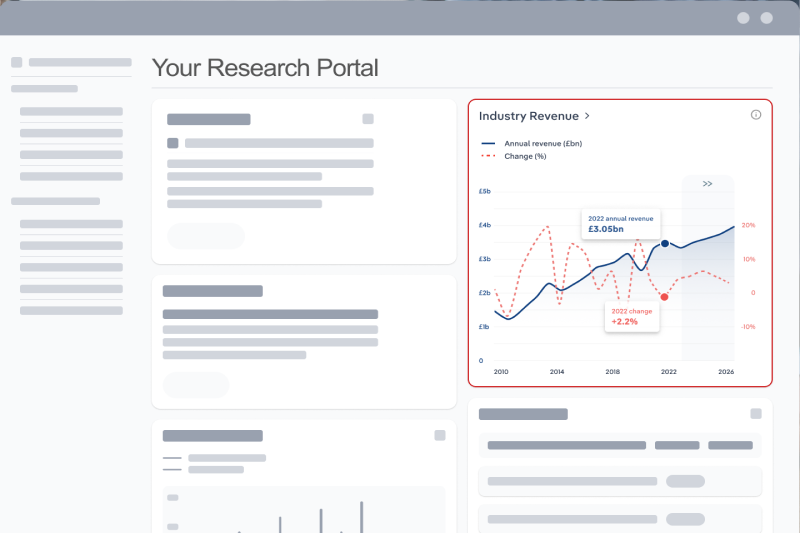
Streamline your workflow with IBISWorld’s intelligence built into your toolkit.
Explore industries with similar markets, supply chains, and economic drivers to gain broader context and insights.
When the stakes are high, you need intelligence that cuts through the noise—wherever you work.
The overnight rate in Canada in 2026 was 2.25%.
The overnight rate in Canada grew by 55.18% in 2026.
IBISWorld’s data and analysis on overnight rate in Canada includes forecasted growth rates over the next five years.