IBISWorld Platform
Answer any industry question in minutes with our entire database at your fingertips.

IBISWorld forecasts the AUD/USD exchange rate to grow by 5.0% in 2026-27 to US$0.7130. With the RBA's fight against inflation set to continue throughout 2026-27, the Australian cash rate is unlikely to fall from its current level of 4.35% (as of the August 2026 RBA meeting), supporting continued investor demand for the Australian dollar and driving up the exchange rate. However, US monetary policy is expected to remain on hold at a target of 3.50%-3.75%, with recent energy price spikes decreasing the prospect of near-term cuts to the US Federal Funds rate. While this limits the scope for the interest rate differential to widen, the RBA's contractionary stance will keep the Australian cash rate above the Federal Funds rate throughout 2026-27, supporting expectations of AUD/USD appreciation.After trading above US$1.00 in 2011-12 and 2012-13, the Australian dollar has depreciated over the last decade and has traded below 70 US cents for a significant percentage of the past five-year period. The RBA cut the cash rate five times between June 2019 and March 2020, including an emergency meeting that led to two rate cuts in March 2020, primarily due to the pandemic's impact on the local economy. Demand initially moved towards safe-haven currencies, like the US dollar and Japanese Yen, causing the Australian dollar to fall to a low of US$0.5571 on the 19th March 2020. Demand for the Australian dollar was also weakened by the slowdown in the Chinese economy, which further encouraged investors to shift towards other currencies. In 2020-21, the Australian dollar strengthened due to Australia's success in containing COVID-19 and its faster-than-expected economic recovery. The RBA cut the cash rate further to a record low of 0.10% in November 2020, but the Australian dollar remained resilient following the decision, as low overseas interest rates limited its impact on the currency's value.Post-pandemic inflation caused both the US Federal Reserve and the RBA to start raising interest rates in 2021-22. The RBA began steadily increasing the cash rate in May 2022, sparking a run of 10 consecutive increases. A further cash rate rise occurred in November 2023, which pushed the rate to 4.35%. The US Federal Reserve was more aggressive with its rate hikes, lifting the federal funds rate by 75 basis points in July, September and November 2022, providing support for the US dollar in 2022-23. Throughout 2021-22 and 2022-23, investment flocked towards US assets, driven by attractive government bond yields. As a result, the average AUD/USD exchange rate fell by almost 8 US cents compared to 2020-21.Both central banks kept rates steady until September 2024, when the US Federal Reserve dropped the interest rate target range by 50 basis points. This was followed up with another 50-basis-point decrease across November and December 2024, justified by a cooling in the labour market and inflation decreasing towards the Federal Reserve's 2.0% target. The rate was held at 4.50% for the first eight months of 2025, before being cut to 3.75% in three of the four months through December 2025. On the other hand, Australia was comparatively slow to drop its cash rate, as inflation in the Australian economy remained above the RBA's 3.0% upper bound target. The RBA first cut the rate by 25 basis points in February 2025 and again by the same amount in May. By the end of the year, the Australian cash rate sat 65 basis points below the US Federal Funds rate, limiting the attractiveness of Australian bond investments. As a result, the AUD/USD exchange rate continued to slide in 2024-25. This trend was exacerbated by trader fears about the potential ramifications of US tariffs on Australia, both directly through exports to the US and indirectly via potential shocks to Australia-China trade relations. However, 'The Aussie' has rebounded since initial tariff announcements, as Australia's adoption of contractionary monetary policy resulted in the RBA's cash target exceeding the US Federal Funds rate across 2025-26. The exchange rate performed strongly throughout the September 2025 quarter, appreciating relative to the previous quarter, as weaker signals in US economic data made the Australian dollar more attractive to FX traders. Growth flatlined across the December quarter, before a 4.6% spike in the monthly average exchange rate in January 2026, as inflation data in the Australian economy hinted at a potential cash rate hike in the RBA's February meeting, which ended up coming to fruition. This was followed by further hikes in March and May, driving up the attractiveness of Australian cash investments and causing the AUD/USD to climb by 5.0% over 2025-26. Overall, IBISWorld forecasts the AUD/USD exchange rate to decline at an average annual rate of 0.3% over the five years through 2026-27.
Curious about what drives these trends? IBISWorld's analyst coverage on the us dollars per australian dollar includes detailled analysis on the current performance, outlook and industries affected.
1970-2034
This report analyses the exchange rate of the Australian dollar (AU$) in terms of the US dollar (US$). The exchange rate is determined by the supply and demand for each currency in the pair. The major drivers of the supply and demand for currencies are: interest rates; GDP growth; inflation; current account positions; equity flows; and the demand and price of commodities. The data for this report is sourced from the Reserve Bank of Australia (RBA) and is measured in US dollars. The RBA records the average monthly exchange rate on the last trading day of each month, and annual rates are calculated as the average of monthly rates over the financial year.
IBISWorld Industry Reports are available in multiple formats to fit seamlessly into your workflow.

Answer any industry question in minutes with our entire database at your fingertips.
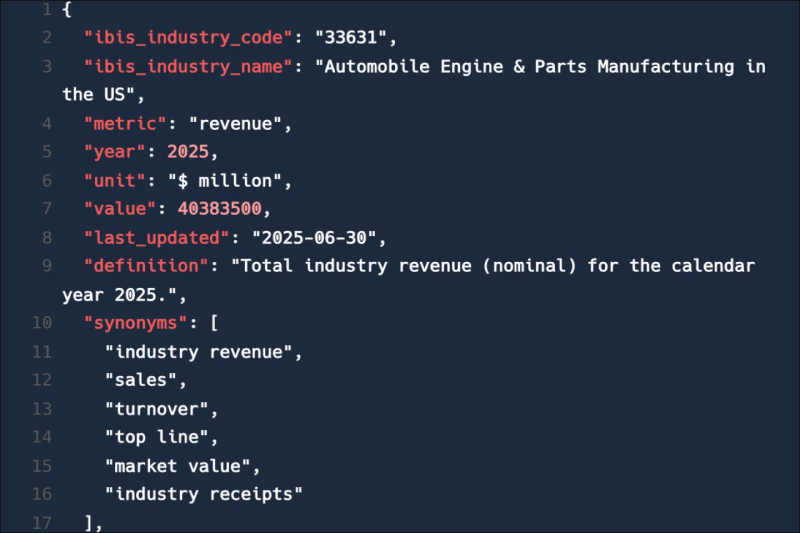
Feed trusted, human-driven industry intelligence straight into your platform.
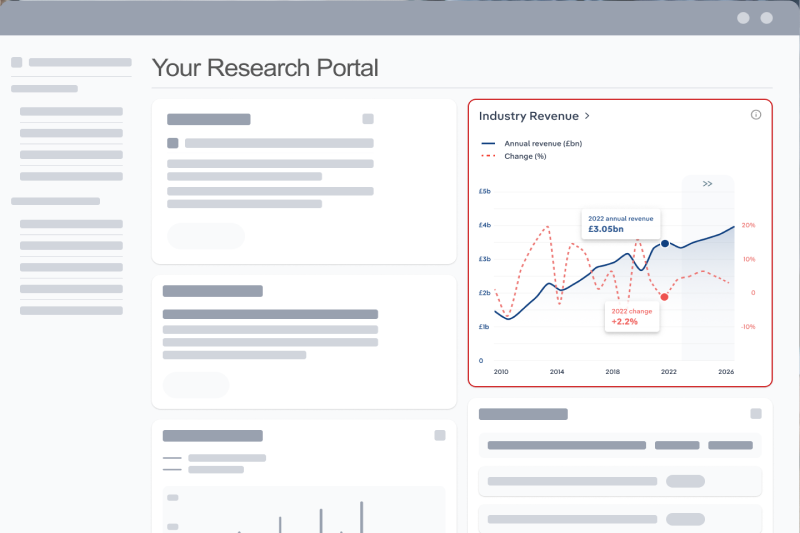
Streamline your workflow with IBISWorld’s intelligence built into your toolkit.
Explore industries with similar markets, supply chains, and economic drivers to gain broader context and insights.
When the stakes are high, you need intelligence that cuts through the noise—wherever you work.
The us dollars per australian dollar in Australia in 2027 was 0.71 $us.
The us dollars per australian dollar in Australia declined by -0.28% in 2027.
IBISWorld’s data and analysis on us dollars per australian dollar in Australia includes forecasted growth rates over the next five years.