IBISWorld Platform
Answer any industry question in minutes with our entire database at your fingertips.

IBISWorld forecasts the total labour force to increase by 1.9% in 2025-26, to 15.41 million people. The unemployment and participation rates increased marginally to 4.5% and 67.0% (seasonally adjusted terms) in June 2025, signalling a rise in the number of Australians actively looking for work. The escalating cost-of-living pressures are encouraging unemployed Australians to enter the labour force. Youth unemployment rate also grew to 9.3% over the same period, in seasonally adjusted terms. Many young Australians seek to enter the labour force earlier, hoping to save up early and get ahead of the cost-of-living pressures and the generational wealth gap. These trends will continue over the year, driving up the total number of people in the labour force. Additionally, the 2024-25 and 2025-26 Budget's focus on creating more jobs and strengthening the labour force as part of the Future Made in Australia package is anticipated to support the total labour force growth during the year.The pandemic has influenced the total labour force in several ways. For example, many people became unemployed during the initial months of the pandemic in the two years through 2020-21. People are still counted within the labour force when they leave employment as long as they actively seek jobs. However, many people who lost their jobs due to the pandemic claimed JobSeeker payments and were not actively looking for employment were dropped from the labour force. Conversely, the number of people in the labour force would have been much lower over the two years through 2020-21 if it had not been for the Federal Government's JobKeeper Payment scheme. The wage subsidy was provided to businesses if they had lost a significant portion of their income during the pandemic. This allowed firms to retain more employees during the economic downturn caused by the pandemic, keeping them in the labour force. The Australian federal government's focus on childcare subsidies over the past few years has also heightened the affordability of childcare services. These subsidies have lowered childcare expenses for families, making it economically feasible for more parents to participate in the workforce, contributing to an increased labour force.The total labour force has increased over the past five years. Typically, the size of the labour force grows similarly to the population. Australia's population has grown over the period. Medical advances and improved technology have boosted life expectancies, contributing to the ageing population. Consequently, older generations remain in the workforce longer to build more savings for retirement, while younger generations continue to enter the workforce. Many immigrants are working-age migrants who immediately enter the labour force and contribute to its size. Constrained migration, stemming from the pandemic, has limited the growth in the total labour force in the two years through 2020-21. Nonetheless, as borders reopened in February 2022, net migration surged, driving up Australia's labour force in recent years. Despite rising net migration, Australia continues to face workforce shortages in sectors like healthcare and education, prompting the government to prioritise migrants in these areas to address labour force gaps over recent years. Overall, IBISWorld forecasts the size of the total labour force to increase at a compound annual rate of 2.5% over the five years through 2025-26.
Curious about what drives these trends? IBISWorld's analyst coverage on the total labour force includes detailled analysis on the current performance, outlook and industries affected.
1979-2033
This report analyses the total number of people in the labour force. This includes all people who are working full-time or part-time that are over the age of 15, as well as those who are not employed but are actively looking for work and are over 15 years of age. IBISWorld's annual total labour force figure is a 12-month average of monthly total labour force figures, calculated at the end of each financial year. The data for this report is sourced from the Australian Bureau of Statistics (ABS).
IBISWorld Industry Reports are available in multiple formats to fit seamlessly into your workflow.

Answer any industry question in minutes with our entire database at your fingertips.
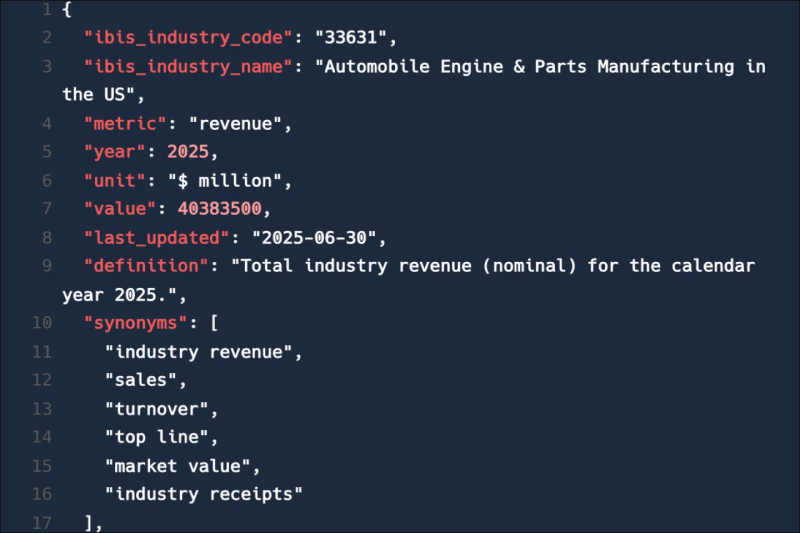
Feed trusted, human-driven industry intelligence straight into your platform.
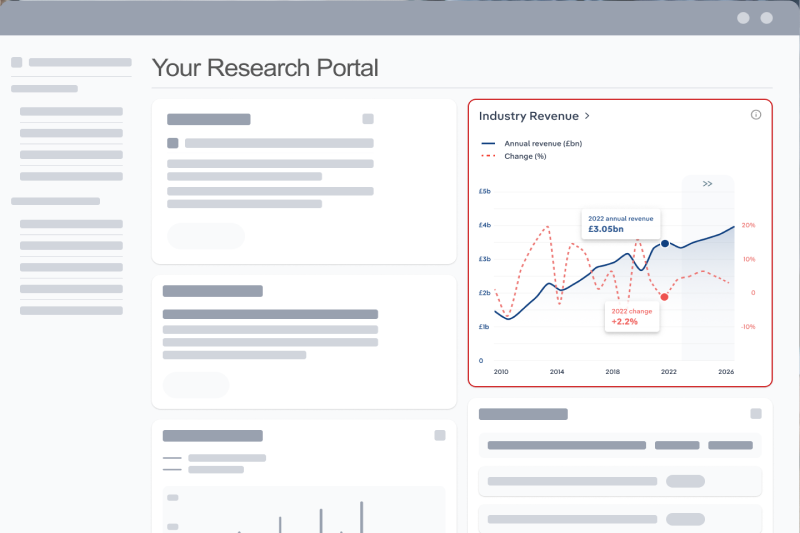
Streamline your workflow with IBISWorld’s intelligence built into your toolkit.
Explore industries with similar markets, supply chains, and economic drivers to gain broader context and insights.
| Industry | Country | Last 5-yr CAGR | Forecast 5-year CAGR | Revenue |
|---|---|---|---|---|
| Employment Placement and Recruitment Services in Australia |

|
XX% | XX% | $XX |
| Employment Placement and Recruitment Services in Australia |
|
XX% | XX% | $XX |
| Commercial and Industrial Building Construction in Australia |
|
XX% | XX% | $XX |
| Online Recruitment Services in Australia |
|
XX% | XX% | $XX |
When the stakes are high, you need intelligence that cuts through the noise—wherever you work.
The total labour force in Australia in 2026 was 15.41 millions of people.
The total labour force in Australia grew by 2.47% in 2026.
IBISWorld’s data and analysis on total labour force in Australia includes forecasted growth rates over the next five years.