IBISWorld Platform
Answer any industry question in minutes with our entire database at your fingertips.

IBISWorld forecasts the number of employees in the labour force to climb by 1.7% in 2025-26, to an average of 14.74 million people over the year. Continued growth in Australia's population of people aged 18 and older, combined with an expected positive net migration in excess of 230,000 people, will drive up labour supply in 2025-26. Both these trends will aim to alleviate some skill shortages that surfaced during the post-pandemic employment surge, yet continue to remain unfilled, including in sectors like health care, aged care and education. Expected real GDP growth in 2025-26 will also support job creation, further driving employment expansion. As of August 2025, the total employees in the labour force was 14.63 million, up from 14.41 million 12 months prior.As of August 2025, the percentage of employees working full-time accounted for 68.9% of total employment, remaining relatively constant compared to the 69.0% mark from the same time in 2024. Between the late 1970s and the mid-2000s, this figure declined consistently from almost 85.0% to just over 70.0%, as work-life balance and flexible work arrangements became more prevalent in the Australian labour market. Since late 2009, the share of full-time employment has consistently ranged between 67.5% and 70.5%, indicating that the split between full-time and part-time jobs has remained relatively stable for the best part of a decade and a half. While the split between full-time and part-time workers has remained constant, the total number of employees in the labour force has continued to expand over recent years. Though the pandemic curtailed the labour force expansion in 2019-20 and 2020-21, growth still persisted. This persistence ensured the continuation of an unbroken streak of annual employee growth that commenced in 1993-94.The total number of employees in the labour force rebounded strongly in 2021-22 and 2022-23, as the easing of restrictions and economic recovery following the pandemic boosted labour demand. This trend resulted in the largest two-year expansion in Australia's labour force on record, both in terms of aggregate growth and percentage change.Business conditions in the Australian economy were trying throughout 2023-24 and 2024-25. Real GDP growth slowed compared to the post-pandemic boom and the business confidence index was negative, limiting job creation. As a result, the growth rate slowed compared to the previous two years. To combat the challenging conditions in the labour market, the Federal Government launched its Future Made in Australia initiative in 2024, aiming to create new opportunities and strengthen the economy, with a focus on the transition to net zero. The program includes support for small businesses, investment in technology to modernise jobs, and support for students undertaking mandatory placements. The program has contributed to growth in the total number of employees in the labour force over 2024-25 and will continue to drive employment growth in 2025-26 and beyond.Consistent increases in the Australian labour force can also be attributed, in part, to the country's population growth. Australia's population growth rate is relatively high compared to that of comparable developed countries, largely due to its extensive immigration program. New residents in Australia boost consumer demand, which in turn helps create labour demand. Overall, IBISWorld forecasts the total number of employees in the labour force to swell at a compound annual rate of 2.9% over the five years through the end of 2025-26.
Curious about what drives these trends? IBISWorld's analyst coverage on the total employees in the labour force includes detailled analysis on the current performance, outlook and industries affected.
1979-2033
This report analyses the total number of employees in Australia. This includes all men and women aged 15 years and over working full-time or part-time (less than 35 hours per week), which constitutes Australia's workforce. The data is calculated as an average of monthly statistics sourced from the Australian Bureau of Statistics (ABS) and is presented in seasonally adjusted financial years.
IBISWorld Industry Reports are available in multiple formats to fit seamlessly into your workflow.

Answer any industry question in minutes with our entire database at your fingertips.
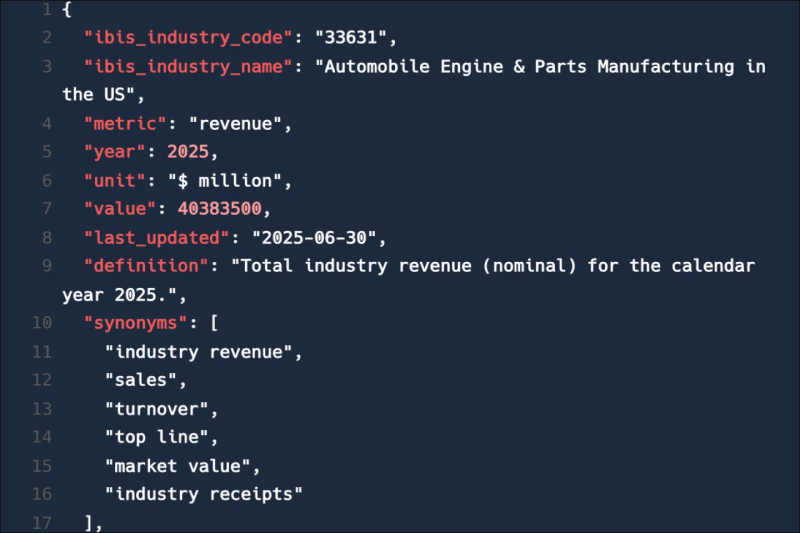
Feed trusted, human-driven industry intelligence straight into your platform.
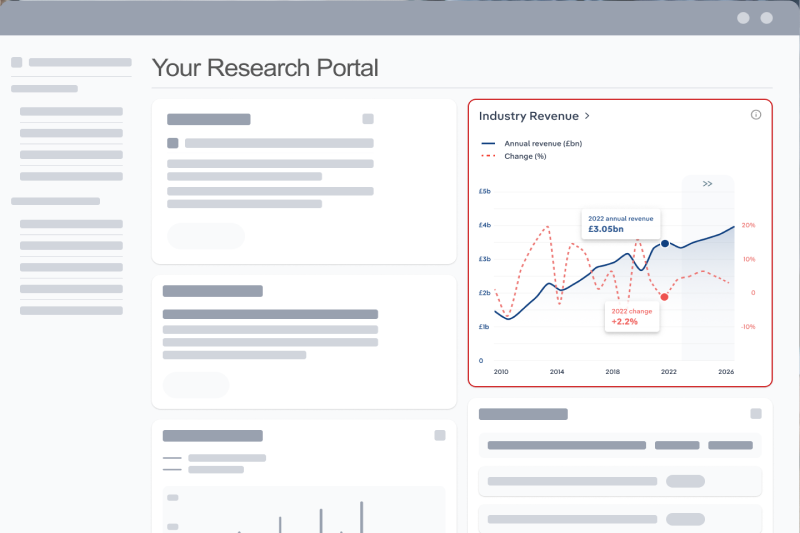
Streamline your workflow with IBISWorld’s intelligence built into your toolkit.
Explore industries with similar markets, supply chains, and economic drivers to gain broader context and insights.
| Industry | Country | Last 5-yr CAGR | Forecast 5-year CAGR | Revenue |
|---|---|---|---|---|
| Employee Assistance Program Services in Australia |

|
XX% | XX% | $XX |
| Occupational Health and Safety Services in Australia |
|
XX% | XX% | $XX |
| Safety Equipment and Supplies Distributors in Australia |
|
XX% | XX% | $XX |
| Parking Services in Australia |
|
XX% | XX% | $XX |
| Superannuation Funds Management Services in Australia |
|
XX% | XX% | $XX |
| Urban Bus and Tramway Transport in Australia |
|
XX% | XX% | $XX |
| Facilities Management and Other Office Administrative Services in Australia |
|
XX% | XX% | $XX |
| Self-Managed Superannuation Funds in Australia |
|
XX% | XX% | $XX |
| Superannuation Funds in Australia |
|
XX% | XX% | $XX |
| Commercial Laundries in Australia |
|
XX% | XX% | $XX |
When the stakes are high, you need intelligence that cuts through the noise—wherever you work.
The total employees in the labour force in Australia in 2026 was 14.74 millions of people.
The total employees in the labour force in Australia grew by 2.88% in 2026.
IBISWorld’s data and analysis on total employees in the labour force in Australia includes forecasted growth rates over the next five years.