
IBISWorld Platform
Answer any industry question in minutes with our entire database at your fingertips.

IBISWorld forecasts the average retail price of petrol to jump by 8.2% in 2025-26, to 195.8 cents per litre. The world price of crude oil has skyrocketed following the start of the US-Israel conflict with Iran at the end of February 2026. This geopolitical disruption has led to the effective closure of the Strait of Hormuz, where around 20% of global oil trade passes through and, as of the start of hostilities, only ships carrying Iranian crude bound for China or ships flying a Chinese flag have been allowed through. With only two refineries left, Australia relies almost entirely on imports from the likes of Singapore, South Korea and Malaysia. Due to these countries importing a large share of their crude oil supply from Middle Eastern countries, Australia is exposed to fluctuations in price caused by disruptions to the Strait. This spike in crude oil prices is expected to offset an otherwise downwards trend over the prior eight months that showed a continuous correction following the impact of the Russia-Ukraine conflict. OPECs decision to expand supply and weaker global economic growth had also contributed to steady declines in the world crude oil price in recent years.Petrol prices are closely correlated with the global price of crude oil and are directly influenced by fluctuations in this price. Global oil prices are highly volatile, with a diverse range of factors affecting price movements, including exchange rates, foreign policy decisions, production levels and demand from downstream markets. Overall fuel consumption and the number of motor vehicles on the road also play an influential role in dictating the retail petrol price in Australia.Retail petrol prices have grown at an annualised 8.7% over the five years through the end of 2025-26, more than double the 3.2% average over the 15 years through 2019. This growth was partially because the 2020 calendar year brought a 17-year low as the pandemic created oversupply conditions in global oil markets, leading to a decline in retail petrol prices over the two years through 2020-21, pushing down retail petrol prices to a 5-year low. This change created ideal conditions for strong growth over the following five years as retail petrol prices bounced back from a low base. Much of the growth has been due to that recovery, while a surge in prices in 2021-22, driven by the onset of the Russia-Ukraine conflict, caused an immediate spike in retail petrol prices. This hike has been slow to recede despite declines in world crude oil prices (prior to the conflict in Iran) coinciding with strengthened global production and slowing growth in demand.
Curious about what drives these trends? IBISWorld's analyst coverage on the retail petrol prices includes detailled analysis on the current performance, outlook and industries affected.
2003-2033
This report analyses the average retail price of petrol over each financial year. Figures are for petrol only, and do not include diesel prices. Data for this report is sourced from the Australian Institute of Petroleum, and is measured in cents per litre.
IBISWorld Industry Reports are available in multiple formats to fit seamlessly into your workflow.

Answer any industry question in minutes with our entire database at your fingertips.
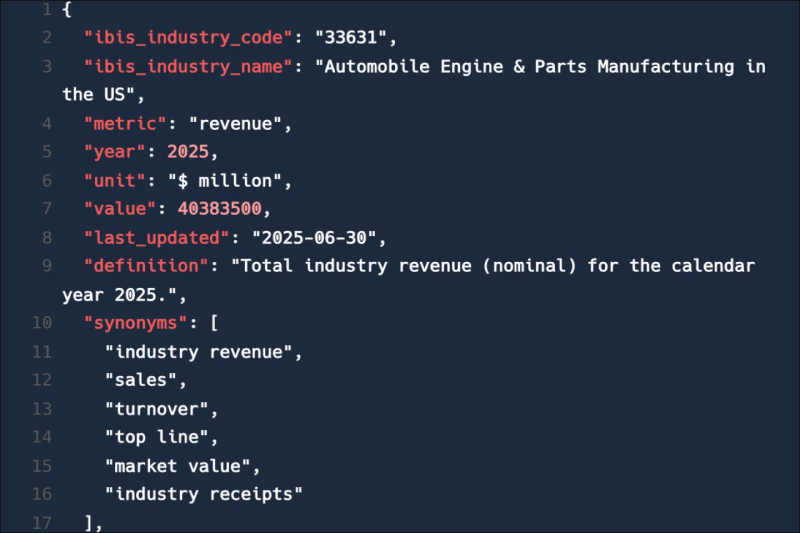
Feed trusted, human-driven industry intelligence straight into your platform.
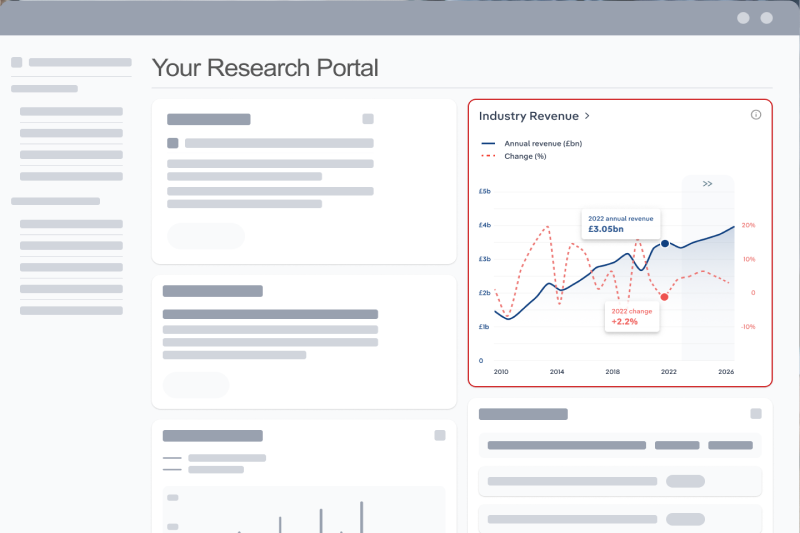
Streamline your workflow with IBISWorld’s intelligence built into your toolkit.
Explore industries with similar markets, supply chains, and economic drivers to gain broader context and insights.
| Industry | Country | Last 5-yr CAGR | Forecast 5-year CAGR | Revenue |
|---|---|---|---|---|
| Battery Material Mining in Australia |

|
XX% | XX% | $XX |
| Car Sharing Providers in Australia |
|
XX% | XX% | $XX |
| Motorcycle Dealers in Australia |
|
XX% | XX% | $XX |
| Motorcycle Dealers in Australia |
|
XX% | XX% | $XX |
| Urban Bus and Tramway Transport in Australia |
|
XX% | XX% | $XX |
| Removalists in Australia |
|
XX% | XX% | $XX |
| Trailer and Caravan Dealers in Australia |
|
XX% | XX% | $XX |
| Motor Vehicle Dealers in Australia |
|
XX% | XX% | $XX |
| Motor Vehicle Dealers in Australia |
|
XX% | XX% | $XX |
| Motor Vehicle Wholesaling in Australia |
|
XX% | XX% | $XX |
When the stakes are high, you need intelligence that cuts through the noise—wherever you work.
The retail petrol prices in Australia in 2026 was 195.8 cents per litre.
The retail petrol prices in Australia grew by 8.65% in 2026.
IBISWorld’s data and analysis on retail petrol prices in Australia includes forecasted growth rates over the next five years.