
IBISWorld Platform
Answer any industry question in minutes with our entire database at your fingertips.

IBISWorld forecasts the ratio of credit card debt to discretionary income to rise by 0.06 percentage points in 2026-27, to 5.18%. Growth in real household discretionary income is projected to slow over the year, as inflation from global oil supply shortages continues to work its way through the economy. This is both increasing the level of spending placed on credit cards and reducing the ability of households to pay current credit card debt off. On the other hand, the number of credit card accounts is projected to continue to fall in the current year, constraining the rise in credit card debt levels, and therefore, the ratio of credit card debt to discretionary income.Credit card balances have fluctuated in recent years, but are expected to rise over the five years through 2026-27. Consumers have navigated a complex landscape of rising interest rates and cost-of-living challenges. Average standard credit card interest rates have risen from 19.94% to 20.99% over the period, while average low-rate interest rates have climbed from 12.62% to 13.49%, boosting the average debt level per credit card account and lifting the ratio of credit card debt to discretionary income. Nevertheless, consumers, spurred on by rising interest rates and tighter budgets, have been reducing their credit card usage. Strong competition from alternative payment methods, like buy now pay later services, has curbed growth in credit card debt.Data from the RBA shows that the number of credit and charge card accounts in Australia has declined more than 7.0% since 2021-22. Instead, households have opted to use savings to fund expenditure. The emphasis on credit card rewards programs has lessened as consumers have instead prioritised affordability and debt management amid rising inflation and interest rates. However, cost-of-living pressures over the two years through 2023-24 saw the ratio of credit card debt to discretionary income reverse its downward trend. Overall, IBISWorld forecasts the ratio of credit card debt to discretionary income to rise at an average annual rate of 0.06 percentage points over the five years through 2026-27.
Curious about what drives these trends? IBISWorld's analyst coverage on the ratio of credit card debt to discretionary income includes detailled analysis on the current performance, outlook and industries affected.
1986-2034
This report analyses the ratio of credit card debt to discretionary income and is measured as a percentage of discretionary income. The ratio includes debts that are accruing interest and debts that are not accruing interest, on credit and charge cards. Credit card debt data for this report is sourced from the Reserve Bank of Australia (RBA), while discretionary income is sourced from the Australian Bureau of Statistics.Discretionary income is derived by subtracting necessary household expenses from disposable income. Disposable income is measured as gross income less taxes on income and wealth, interest payments, non-life insurance premiums and other current transfers payable. IBISWorld defines necessary household expenses as food, clothing and footwear, rent and other dwelling services, electricity, gas and other fuel, health, operation of vehicles, transport services, and communications.Discretionary income, which is the amount available for individuals to spend on non-essential consumption, is used in this report because essential spending generally cannot be reduced to pay back debt. By using discretionary income, the debt is compared with the income that is available to make repayments.
IBISWorld Industry Reports are available in multiple formats to fit seamlessly into your workflow.

Answer any industry question in minutes with our entire database at your fingertips.
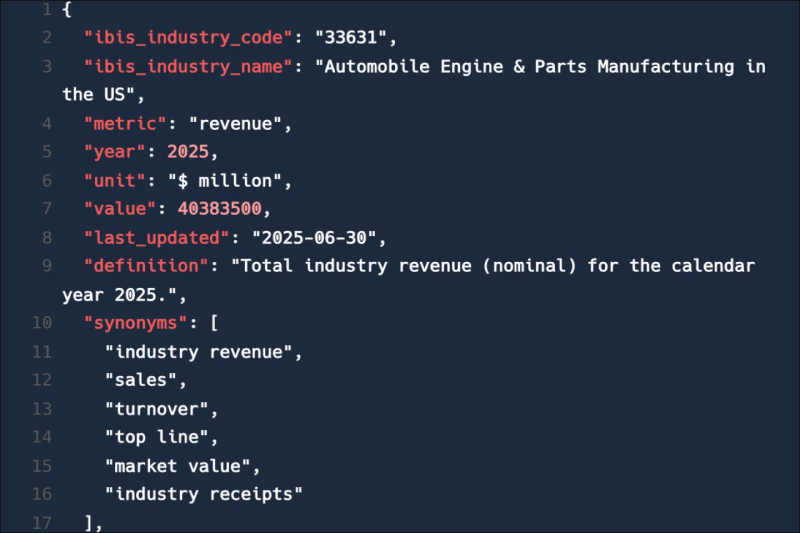
Feed trusted, human-driven industry intelligence straight into your platform.
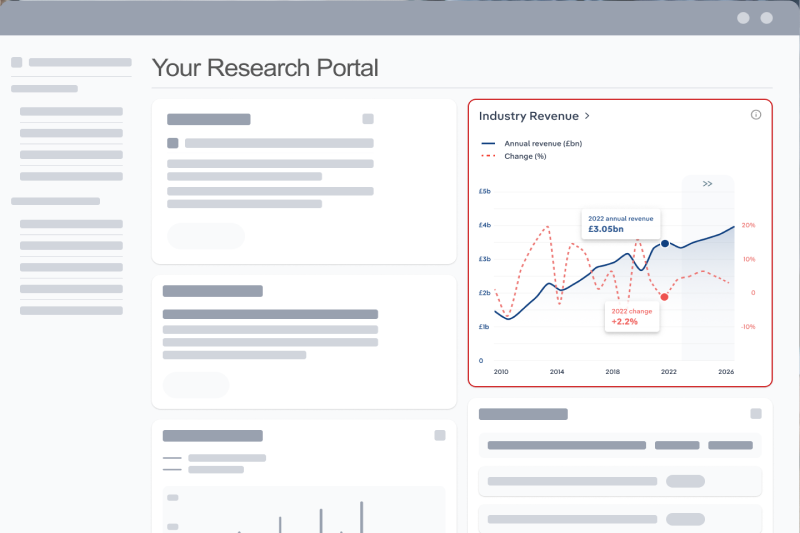
Streamline your workflow with IBISWorld’s intelligence built into your toolkit.
Explore industries with similar markets, supply chains, and economic drivers to gain broader context and insights.
| Industry | Country | Last 5-yr CAGR | Forecast 5-year CAGR | Revenue |
|---|---|---|---|---|
| Computer and Printer Leasing in Australia |

|
XX% | XX% | $XX |
| Custody, Trustee & Stock Exchange Services in Australia |
|
XX% | XX% | $XX |
| Credit Card Issuance in Australia |
|
XX% | XX% | $XX |
| Debt Collection in Australia |
|
XX% | XX% | $XX |
When the stakes are high, you need intelligence that cuts through the noise—wherever you work.
The ratio of credit card debt to discretionary income in Australia in 2027 was 5.18 percentage.
The ratio of credit card debt to discretionary income in Australia grew by 0.07% in 2027.
IBISWorld’s data and analysis on ratio of credit card debt to discretionary income in Australia includes forecasted growth rates over the next five years.