
IBISWorld Platform
Answer any industry question in minutes with our entire database at your fingertips.

IBISWorld forecasts private health insurance membership to increase by 1.3% in 2026-27, to 12.78 million people. Australians are increasingly taking out private health insurance to access timely surgery, as public hospitals are unable to cope with demand. Younger Australians are also increasingly using private health cover to access mental health treatment and dental services.Private health insurance premiums are heavily regulated by the Federal Government. Premium increases must be approved by the Minister of Health and APRA, with each insurer submitting a request to increase premiums and documents justifying the rise. The Federal Government's aim is to keep premiums as low as possible while maintaining the private health insurance industry's long-term viability. Beginning in 2010, the government moved to a transparent premium setting, releasing details of the applications it receives for premium increases.The number of people with private health insurance is driven primarily by government policies, which are usually intended to incentivise more people to buy cover. This includes the introduction of Lifetime Health Cover (LHC) on 1 July 2000. LHC forces consumers to pay an additional 2.0% loading on top of their premium for each year after the age of 30 without private health insurance. A spike in coverage resulted from LHC's introduction in July 2000, with further growth supported by the Federal Government's rebate on private health insurance premiums, which was originally introduced on 1 January 1999. Another major change in government policy was the introduction of the Private Health Insurance Act in 2007, which introduced additional incentives for people to purchase hospital cover. This contributed to strong long-term growth in the number of insured persons from the late 2000s to the mid-2010s.Major private health insurance reforms took effect on 1 April 2019. This included a tiered system for hospital cover to allow comparison between health insurers, discounts for young adults, expanded mental health coverage, options to raise excesses to lower premiums, and a reduction in the types of natural therapies covered by extras policies. These reforms sought to improve the affordability of private health insurance, retain younger members and soften the rising cost of health insurance. Despite this, private health insurance membership fell in 2019-20 and a lower percentage of the population was covered. Therefore, the Government introduced a second and third wave of reforms in 2021-22, which included increasing the age of dependants from 24 to 31 years of age, transparency in out-of-pocket costs, extension to the private health insurance rebate for a further 2 years and reviewing and enhancing the rebate model, to encourage people to opt for private health insurance. Holding private health insurance also comes with income-tested tax incentives, as individuals with private cover can skip paying the Medical Levy Surcharge. Private insurance membership has expanded significantly from 2022-23, growing by 2.6% in 2024-25, coming off 2.4% in 2023-24, the strongest growth rate since 2012-13. Growing health consciousness, as well as rising migration, has supported the uptake of private health insurance in recent years. Despite cost-of-living pressures and affordability concerns, people have prioritised purchasing private health insurance over the past two years to access faster, broader healthcare. Overall, IBISWorld forecasts private health insurance membership to rise at a compound annual rate of 2.0% over the five years through 2026-27.
Curious about what drives these trends? IBISWorld's analyst coverage on the private health insurance membership includes detailled analysis on the current performance, outlook and industries affected.
1978-2034
This report analyses the number of people covered by private health insurance for hospital treatment. The data for this report is sourced from the Australian Prudential Regulation Authority (APRA) and is presented as the average number of people covered over each financial year.
IBISWorld Industry Reports are available in multiple formats to fit seamlessly into your workflow.
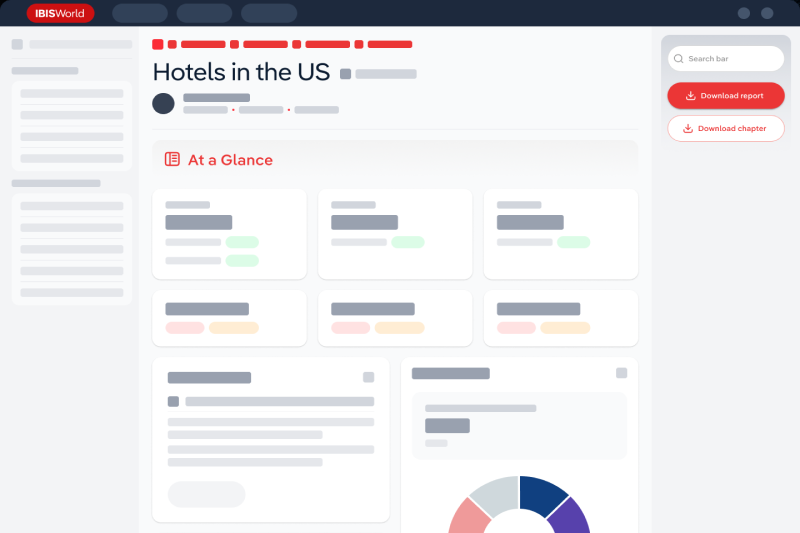
Answer any industry question in minutes with our entire database at your fingertips.
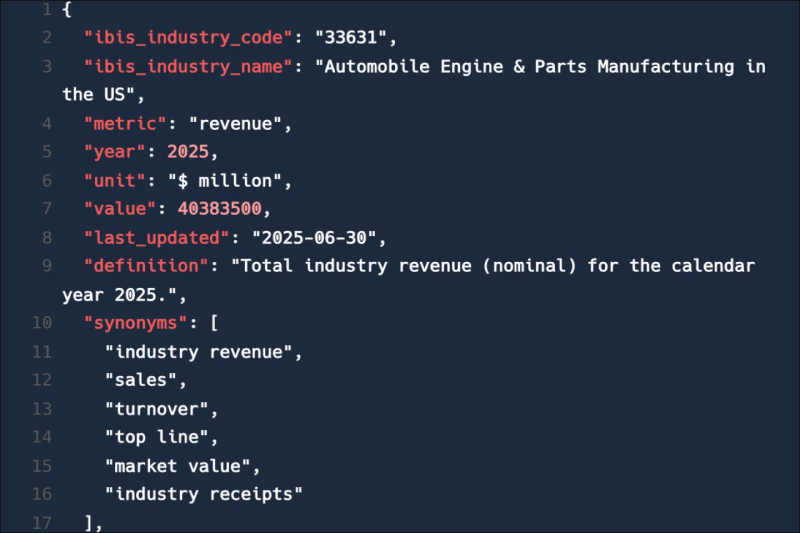
Feed trusted, human-driven industry intelligence straight into your platform.
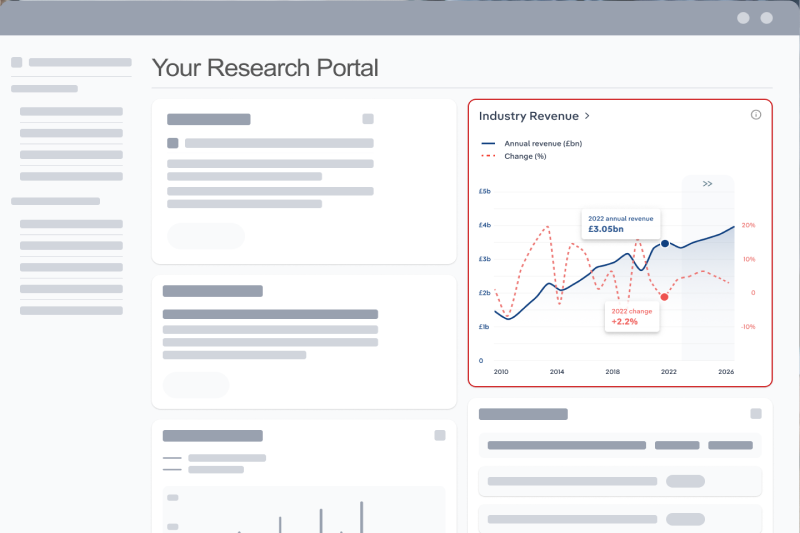
Streamline your workflow with IBISWorld’s intelligence built into your toolkit.
Explore industries with similar markets, supply chains, and economic drivers to gain broader context and insights.
When the stakes are high, you need intelligence that cuts through the noise—wherever you work.
The private health insurance membership in Australia in 2027 was 12.78 million.
The private health insurance membership in Australia grew by 1.97% in 2027.
IBISWorld’s data and analysis on private health insurance membership in Australia includes forecasted growth rates over the next five years.