
IBISWorld Platform
Answer any industry question in minutes with our entire database at your fingertips.

IBISWorld forecasts pay-TV density to decrease by 0.3 percentage points in 2025-26 to 15.4%. Traditional pay-TV subscriber numbers continue declining due to consumers' strong uptake of streaming services. According to the Australian Communications and Media Authority's 2026 report, the viewership of paid subscription streaming services was at 68%, up from 29% in 2017. Consumers are expected to continue shifting from legacy services like Foxtel to more flexible streaming alternatives like Binge and Kayo. Mounting cost-of-living pressures have also dissuaded many consumers from spending on entertainment platforms, especially pay-TV subscriptions.According to OzTAM data, household pay-TV annual subscription numbers have followed a largely downward trend from 2019-20 to 2023-24. Consumers have increasingly switched to internet-based streaming services, contributing to falling household pay-TV subscriptions over the period. Household numbers have grown strongly as subscription numbers continue to fall, driving pay-TV density down. Traditional broadcast services like Foxtel have also opted for price increases to offset the declining subscriber numbers, further encouraging some households to cancel their services and prioritise selective subscriptions over pay-TV packages. As a result, IBISWorld forecasts pay-TV density to fall at an average annual rate of 1.78 percentage points over the five years through 2024-25.
Curious about what drives these trends? IBISWorld's analyst coverage on the pay-tv density includes detailled analysis on the current performance, outlook and industries affected.
2001-2033
This report analyses pay-TV density in Australia, which is calculated in financial years and measured by dividing the total number of households that have pay-TV subscriptions by the total number of households in Australia. The number of households with pay-TV subscriptions is sourced from Screen Australia and OzTAM. Household data is sourced from the Australian Bureau of Statistics.
IBISWorld Industry Reports are available in multiple formats to fit seamlessly into your workflow.
Answer any industry question in minutes with our entire database at your fingertips.
Feed trusted, human-driven industry intelligence straight into your platform.
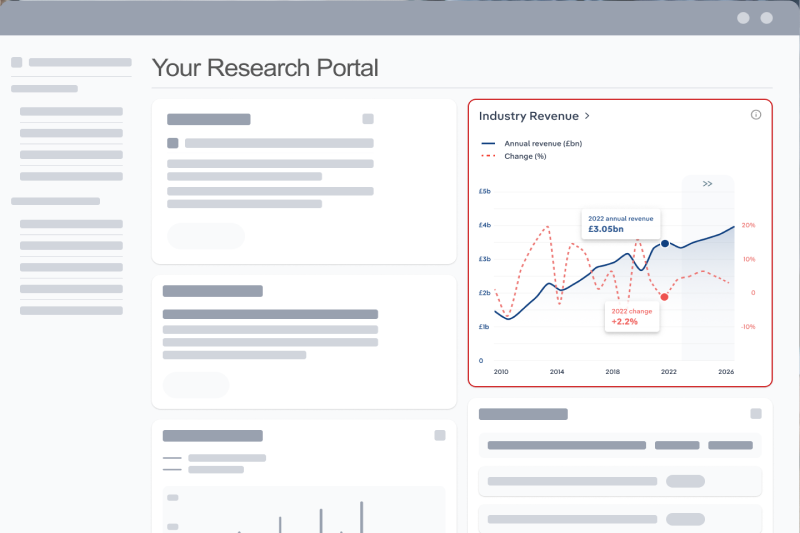
Streamline your workflow with IBISWorld’s intelligence built into your toolkit.
Explore industries with similar markets, supply chains, and economic drivers to gain broader context and insights.
| Industry | Country | Last 5-yr CAGR | Forecast 5-year CAGR | Revenue |
|---|---|---|---|---|
| Pay Television and Internet Protocol Television Services in Australia |

|
XX% | XX% | $XX |
| Satellite Communications and Astronautics in Australia |
|
XX% | XX% | $XX |
| Free-to-Air Television Broadcasting in Australia |
|
XX% | XX% | $XX |
| Horse and Dog Racing in Australia |
|
XX% | XX% | $XX |
When the stakes are high, you need intelligence that cuts through the noise—wherever you work.
The pay-tv density in Australia in 2026 was 15.4 percentage.
The pay-tv density in Australia declined by -1.78% in 2026.
IBISWorld’s data and analysis on pay-tv density in Australia includes forecasted growth rates over the next five years.