IBISWorld Platform
Answer any industry question in minutes with our entire database at your fingertips.

IBISWorld forecasts the number of housing transfers to rise by 2.8% to 255,755 in 2025-26. The RBA cut the cash rate three times in 2025, reducing it to 3.60%, which directly expanded buyer borrowing capacity, enabling more buyers to enter the market and push housing transfers upwards. Moreover, the federal government removed waitlists and income caps on its 5% Deposit Scheme from October 2025, while the Help to Buy shared equity scheme opened for applications in December 2025. According to the Australian Bureau of Statistics, first-home buyer loan commitments rose 6.8% in the December quarter to 31,783 loans, the steepest quarterly increase since December 2023. Underpinning activity further, net overseas migration remained well above pre-COVID levels, sustaining household formation growth. According to PropTrack as of late 2025, advertised stock levels remain tight, compressing time-on-market and channelling demand into the established dwelling market, which in turn pushes up housing transfer. Despite this, cash rate hikes in 2026 are compressing housing transfer growth, keeping the 2.8% figure from being larger than it otherwise would be. The relationship between residential property prices and housing transfers is intricate and influenced by various factors. Chief among these is the balance between credit availability, housing affordability and the number of properties for sale. Climbing property prices typically motivate more people to sell, as they can realise higher gains and have a greater ability to either downsize or upsize. Additionally, higher prices enhance buyer confidence in the housing market, encouraging both owner-occupiers and investors with the prospect of higher returns over time. However, affordability complicates this relationship.Looking back, housing transfers fell sharply in the March and June 2020 quarters as the COVID-19 pandemic took full effect and restrictions were placed on many traditional, in-person house inspections and auctions. Transfer activity rebounded strongly in 2020-21, supported by record low interest rates and COVID-19 pandemic stimulus packages, like grants for first-home buyers and access to superannuation withdrawals. Latent demand contributed to surging residential housing prices, driving extremely high transfer activity across almost all capital cities in the first half of 2020-21. Following this was a slight drop in 2021-22 and a very sharp drop in 2022-23 on account of rising interest rates, low consumer sentiment and a large number of missing dwellings, approximating 55,000, occurring as a result of rising property prices and not enough new homes being built to meet the demand for housing. This has culminated in a tightening of the rental market and far fewer housing transfers in 2022-23. Despite, periods of low interest rates during much of the pandemic, government support and recent bouts of rising immigration, IBISWorld forecasts the number of housing transfers to fall at a compound annual rate of 2.7% over the five years through 2025-26 due to cash rate hikes in 2023 and now in 2026 as well as supply constraints combined with affordability pressures all of which has culminated in creating a tight market and ultimately has hurt the number of housing transfers.
Curious about what drives these trends? IBISWorld's analyst coverage on the number of housing transfers includes detailled analysis on the current performance, outlook and industries affected.
2004-2033
This report analyses the annual number of housing transfers in capital cities. A housing transfer takes place when the ownership of a residential property title passes from one party to another, typically through a sale. This includes transfers of established houses and attached dwellings. Attached dwellings include flats, apartments and semi-detached houses. This release does not include new houses. The data for this report is sourced from the Australian Bureau of Statistics and is measured in the number of transfers per financial year.
IBISWorld Industry Reports are available in multiple formats to fit seamlessly into your workflow.

Answer any industry question in minutes with our entire database at your fingertips.
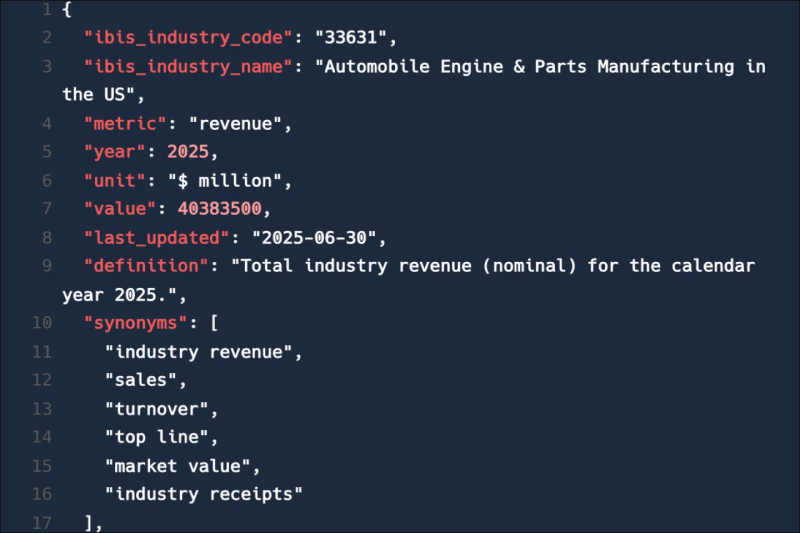
Feed trusted, human-driven industry intelligence straight into your platform.
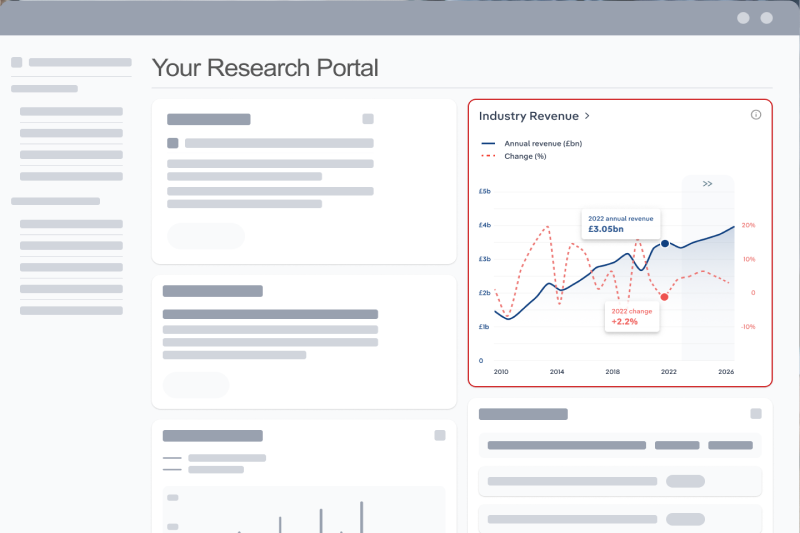
Streamline your workflow with IBISWorld’s intelligence built into your toolkit.
Explore industries with similar markets, supply chains, and economic drivers to gain broader context and insights.
When the stakes are high, you need intelligence that cuts through the noise—wherever you work.
The number of housing transfers in Australia in 2026 was 255,755 units.
The number of housing transfers in Australia declined by -2.73% in 2026.
IBISWorld’s data and analysis on number of housing transfers in Australia includes forecasted growth rates over the next five years.