
IBISWorld Platform
Answer any industry question in minutes with our entire database at your fingertips.

IBISWorld forecasts that per capita milk consumption will fall by 2.1% in 2025-26, to reach 91.7 litres per capita. This decline marks a continuation of the long-run trend of declining milk consumption that dates back to 2013-14. This trend has largely been driven by the continued popularity growth of milk alternatives, like soy, almond and oat milks. Demand for these beverages has risen because of increasing environmental and ethical concerns surrounding general livestock farming, driving people towards vegetarian and vegan lifestyles. As of the December 2025 quarter, the Australian Bureau of Agricultural and Resource Economics and Sciences (ABARES) has also forecasted a 1.8% decline in dairy milk production volumes in 2025-26. A lower yield from dairy farmers is likely to drive up prices in retail markets, forcing consumers to reconsider their milk consumption levels.In the early 2010s, the major supermarket chains discounted their private milk brands by almost one-third to $1.00 per litre, spurring other retailers to follow suit and sparking the 'milk price wars'. However, consumption began to decline in 2013-14 and has continued to do so ever since. Over the past decade, milk consumption has fallen from 104.9 litres per capita (2015-16) to an estimated 91.7 litres per capita in 2025-26. Declining output from the dairy industry and the end of the 'milk price wars' have driven up domestic milk prices over the past decade, further contributing to a drop in per capita consumption over the period.The growing adoption of milk alternatives has had a long-term impact on per capita milk consumption. Vegetarian and vegan diets are becoming more popular, and the incidence of lactose intolerance is also growing. These trends are spurring greater consumption of soy, oat and almond milk, which are direct substitutes for dairy milk products. As consumers perceive these milk alternatives as highly nutritious, high health consciousness is also propelling increased consumption of these products. Despite these prevalent long-run trends, an uptick in production across 2023-24 and 2024-25 led to a temporary decline in milk prices. This price reduction led to the first uptick in milk consumption since 2012-13, with consumption increasing by 3.4 litres per capita between 2022-23 and 2024-25. However, this short-term revival in milk consumption is set to be largely offset by the anticipated decline in 2025-26, driven by growing milk prices and reduced agricultural output. Overall, IBISWorld forecasts that per capita milk consumption will fall at a compound annual rate of 0.6% over the five years through 2025-26.
Curious about what drives these trends? IBISWorld's analyst coverage on the milk consumption includes detailled analysis on the current performance, outlook and industries affected.
1991-2033
This report analyses Australia's per capita consumption of milk. Consumption per capita is measured in drinking milk sales divided by the total Australian population. The data for this report is sourced from Dairy Australia and the Australian Bureau of Agricultural and Resource Economics and Sciences, and is reported in financial years.
IBISWorld Industry Reports are available in multiple formats to fit seamlessly into your workflow.

Answer any industry question in minutes with our entire database at your fingertips.
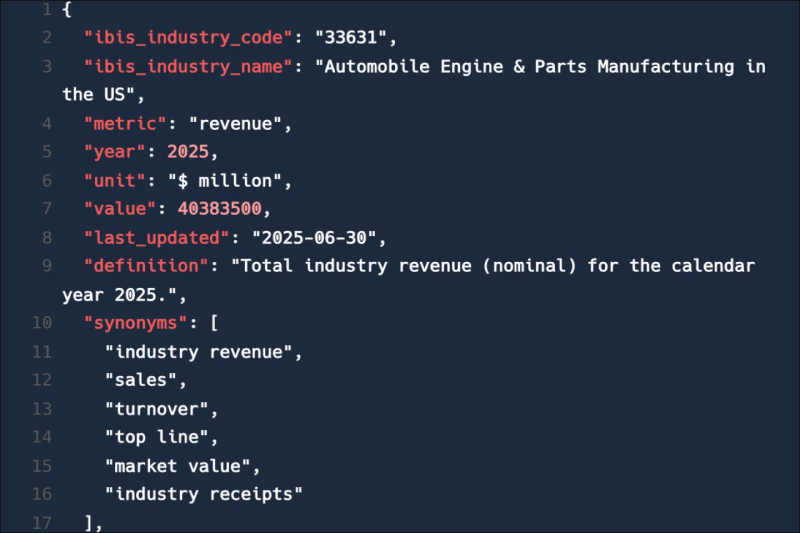
Feed trusted, human-driven industry intelligence straight into your platform.
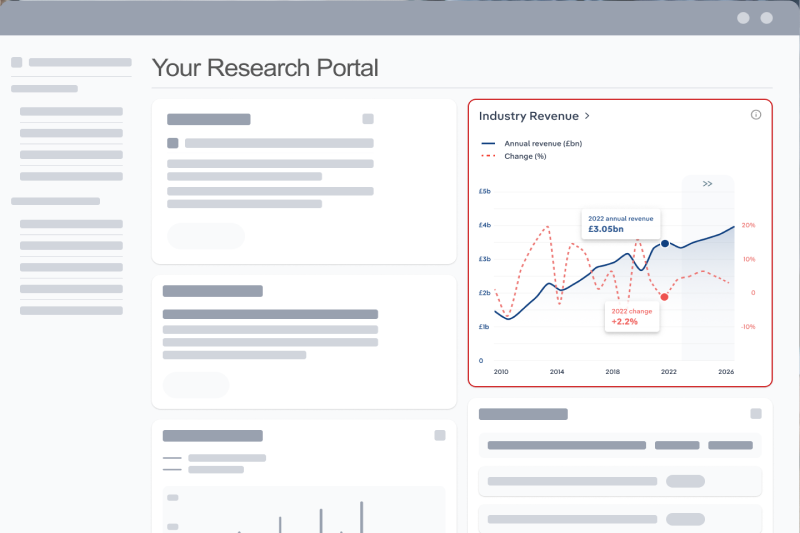
Streamline your workflow with IBISWorld’s intelligence built into your toolkit.
Explore industries with similar markets, supply chains, and economic drivers to gain broader context and insights.
| Industry | Country | Last 5-yr CAGR | Forecast 5-year CAGR | Revenue |
|---|---|---|---|---|
| Milk Powder Manufacturing in Australia |

|
XX% | XX% | $XX |
| Dairy Cattle Farming in Australia |
|
XX% | XX% | $XX |
| Dairy Cattle Farming in Australia |
|
XX% | XX% | $XX |
| Dairy Produce Wholesaling in Australia |
|
XX% | XX% | $XX |
| Milk and Cream Processing in Australia |
|
XX% | XX% | $XX |
| Milk Powder Manufacturing in Australia |
|
XX% | XX% | $XX |
| Milk and Cream Processing in Australia |
|
XX% | XX% | $XX |
| Soy and Almond Milk Production in Australia |
|
XX% | XX% | $XX |
When the stakes are high, you need intelligence that cuts through the noise—wherever you work.
The milk consumption in Australia in 2026 was 91.7 litres per capita.
The milk consumption in Australia declined by -0.58% in 2026.
IBISWorld’s data and analysis on milk consumption in Australia includes forecasted growth rates over the next five years.