IBISWorld Platform
Answer any industry question in minutes with our entire database at your fingertips.

IBISWorld expects the household debt to assets ratio to dip to an estimated 16.00% in 2025-26, representing a decrease of 0.5 percentage points from the previous year. Over the first half of the year, the ratio of household debt to assets had declined from 16.40% in June 2025 to 16.10% by the end of December. In particular, household wealth increased by $453.7b in the December quarter, while liabilities only increased by $61.2b. Of this growth in wealth, $368.6b stemmed from appreciations in the value of residential land and dwellings, indicating the impact that the property market has on the debt to assets ratio. Escalated conflict in the Middle East also forced the RBA to hike interest rates across three consecutive decisions between February and May 2026, in an attempt to contain price inflation stemming from tight oil supply from the Strait of Hormuz. However, these interest rate hikes have pushed up the cost of borrowing, deterring households from taking on debt and placing downwards pressure on the debt to assets ratio. The recent weakness in residential housing prices, especially in Sydney and Melbourne, is expected to offset some of this decline this year.Over the past five years, the debt-to-assets ratio has largely trended downwards, as asset values have grown substantially. In particular, the value of real estate assets has escalated as housing prices across the country have been growing rapidly. Notably, much of the growth in real estate asset valuations occurred during a high-interest-rate environment, which was largely a follow-on impact of household stimulus payments made by the government during the pandemic. Contractionary monetary policy decisions by the RBA throughout 2021-22 and 2022-23 did little to restrain the property market, as demand for real estate remained high. While this resulted in higher mortgages for new buyers, the aggregated household debt to assets ratio decline, as property owners reaped the rewards of property investments. Additionally, strong performance in both local and foreign equity markets has led to a rise in the value of financial assets, including shares and net equity in superannuation funds, further driving down the debt to assets ratio over the past five years.In 2024-25, household debt to assets fell by 0.4 percentage points, as assets performed strongly. Robust international stock market performance and an uptick in the All Ordinaries Index spurred shares and other equity values, contributing to a jump in households' financial assets. This trend has also boosted household superannuation balances, as almost 60.0% of superannuation assets are invested in equities. Increases in the superannuation guarantee rate from 11.0% to 11.5% also exacerbated the impact of superannuation performance on the debt to assets ratio. Growth in residential housing prices, indicated by 3.2% growth in CoreLogic's Hedonic Home Value Index in the 12-month period ending April 2025, also supported expansions in the value of household assets. Overall, IBISWorld forecasts the household debt to assets ratio to decline at an average annual rate of 0.38 percentage points over the five years through 2025-26.
Curious about what drives these trends? IBISWorld's analyst coverage on the household debt to assets ratio includes detailled analysis on the current performance, outlook and industries affected.
1989-2033
This report analyses the ratio of household debt to assets. This is calculated by dividing the total amount of debt owed by households by the value of household assets. Household debt is represented by all housing and personal debt and includes securitised debt but excludes debt owed by unincorporated enterprises. Household assets refer to the total of residential land and dwellings, consumer durables and financial assets. The data for this report is sourced from the Reserve Bank of Australia (RBA) and is presented as a percentage of household assets per financial year.
IBISWorld Industry Reports are available in multiple formats to fit seamlessly into your workflow.

Answer any industry question in minutes with our entire database at your fingertips.
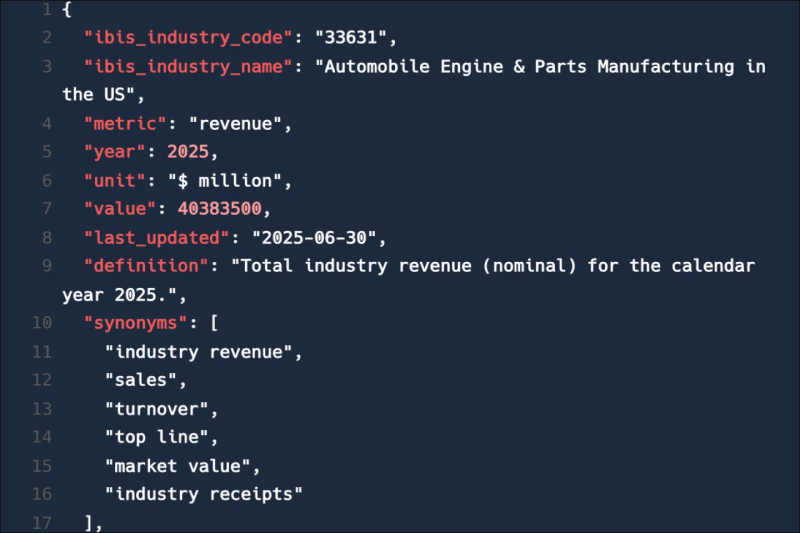
Feed trusted, human-driven industry intelligence straight into your platform.
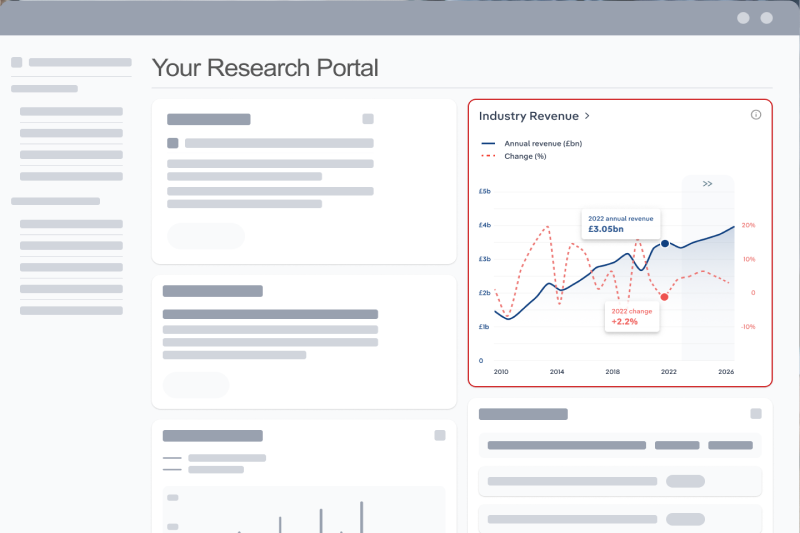
Streamline your workflow with IBISWorld’s intelligence built into your toolkit.
Explore industries with similar markets, supply chains, and economic drivers to gain broader context and insights.
| Industry | Country | Last 5-yr CAGR | Forecast 5-year CAGR | Revenue |
|---|---|---|---|---|
| Home Appliance Rental in Australia |

|
XX% | XX% | $XX |
| Credit Agencies in Australia |
|
XX% | XX% | $XX |
| Debt Collection in Australia |
|
XX% | XX% | $XX |
| Furniture, Appliance & Equipment Rental in Australia |
|
XX% | XX% | $XX |
| Furniture, Appliance & Equipment Rental in Australia |
|
XX% | XX% | $XX |
When the stakes are high, you need intelligence that cuts through the noise—wherever you work.
The household debt to assets ratio in Australia in 2026 was 16 percentage.
The household debt to assets ratio in Australia declined by -0.38% in 2026.
IBISWorld’s data and analysis on household debt to assets ratio in Australia includes forecasted growth rates over the next five years.