IBISWorld Platform
Answer any industry question in minutes with our entire database at your fingertips.

IBISWorld estimates the share of total income received by high income earners to rise by 0.20 percentage points in 2026-27, to reach 42.1%. Growth in total business profit, forecast by IBISWorld to expand 7.9% over the year, is the principal driver of the increase, given that the highest quintile accounts for the largest share of business owners. Stronger equity and commodity markets reinforce this trend, with the S&P/ASX 200 delivering a price return of around 10% over 2025, according to S&P Dow Jones Indices. Gold prices surged in 2025 to record highs, according to the World Gold Council, lifting returns for resource-exposed investors. Rising and structurally high residential property prices also aid wealth accumulation among high income earners, either through asset sales or the appreciation of real estate holdings, and RealEstate.com.au data shows national home values rose close to 10.0% over the year to February 2026 before growth eased. However, the Reserve Bank of Australia (RBA) lifted the cash rate to 4.35% by May 2026 after three increases during the year, raising the cost of leverage and exposing high-value portfolios to greater correction risk, even as elevated rates boost interest income for affluent savers.Total business profit in Australia is an appropriate indicator of the share of income that high income earners generate, given that the quintile accounts for the largest proportion of business owners. Higher income earners also typically derive a more significant share of their income from equity markets and hold a greater share of property relative to lower income brackets. Rising property prices over the past five years have therefore benefited high income earners disproportionately. Conversely, recent cost-of-living pressures and elevated interest rates have weighed more heavily on lower income brackets, which hold less wealth in appreciating assets and devote a larger share of income to debt servicing and essentials.The share of income received by high income earners has trended upwards over the past two decades, despite sporadic periods of decline and sluggish growth. These declines have generally coincided with periods of slower economic growth when business profits and share values fall, which typically has a greater effect on high income earners as they are more exposed to financial markets. The increasing share of income going to households in the highest income quintile is a trend occurring across most developed countries. However, it is slightly lower in Australia because of a relatively high minimum wage, which rose 4.75% to $26.44 per hour from 1 July 2026 under the Fair Work Commission's annual wage review. IBISWorld estimates the share of income received by high income earners to have expanded at an average annual rate of 0.20 percentage points over the five years through 2026-27.
Curious about what drives these trends? IBISWorld's analyst coverage on the high income earners includes detailled analysis on the current performance, outlook and industries affected.
1995-2034
This report analyses the proportion of after-tax disposable income that is generated by households that are classified as high income earners. High income earners are defined as households that fall into the highest quintile for disposable income. To calculate the share of income that is made by high income earners, the mean income of all households in the highest quintile is divided by the sum of the mean income of each quintile. Data for this report is sourced from the Australian Bureau of Statistics and is presented in financial years.
IBISWorld Industry Reports are available in multiple formats to fit seamlessly into your workflow.

Answer any industry question in minutes with our entire database at your fingertips.
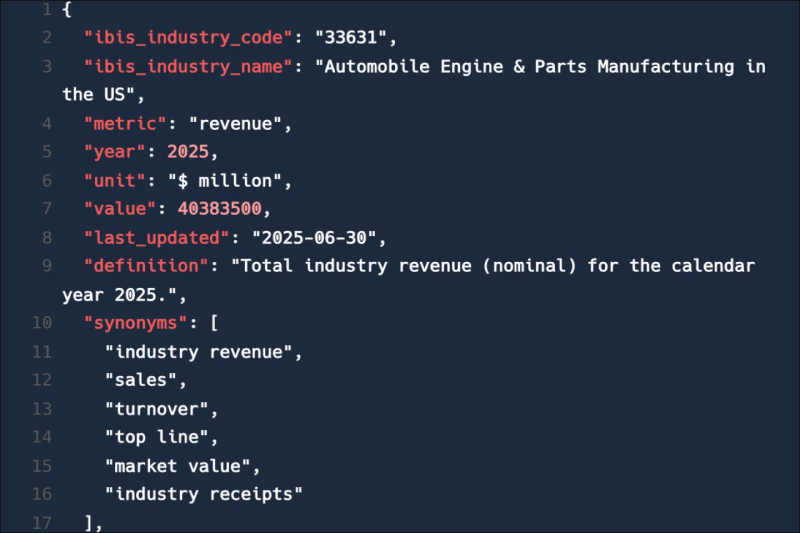
Feed trusted, human-driven industry intelligence straight into your platform.
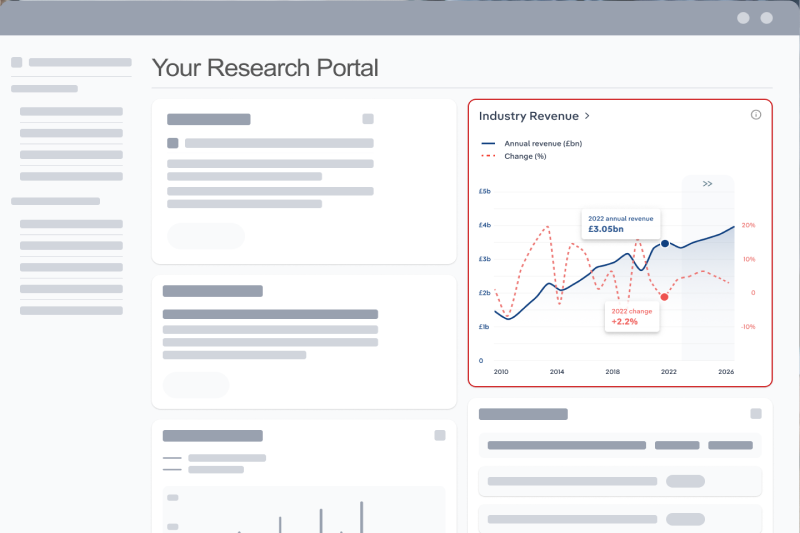
Streamline your workflow with IBISWorld’s intelligence built into your toolkit.
Explore industries with similar markets, supply chains, and economic drivers to gain broader context and insights.
| Industry | Country | Last 5-yr CAGR | Forecast 5-year CAGR | Revenue |
|---|---|---|---|---|
| Financial Planning & Investment Services in Australia |

|
XX% | XX% | $XX |
| Financial Planning & Investment Services in Australia |
|
XX% | XX% | $XX |
| Credit Card Issuance in Australia |
|
XX% | XX% | $XX |
| Fund Management Services in Australia |
|
XX% | XX% | $XX |
| Veterinary Services in Australia |
|
XX% | XX% | $XX |
| Tax Preparation Franchises in Australia |
|
XX% | XX% | $XX |
| Veterinary Services in Australia |
|
XX% | XX% | $XX |
When the stakes are high, you need intelligence that cuts through the noise—wherever you work.
The high income earners in Australia in 2027 was 42.1 percentage.
The high income earners in Australia grew by 0.2% in 2027.
IBISWorld’s data and analysis on high income earners in Australia includes forecasted growth rates over the next five years.