IBISWorld Platform
Answer any industry question in minutes with our entire database at your fingertips.

IBISWorld expects government consumption expenditure to climb by 2.3% in 2026-27, to reach $651.2 billion. According to the 2026-27 Federal Budget, health is the fastest growing major area of spending, with expenses projected to rise 7.8% as demand for Medicare, pharmaceutical and hospital services grow. Government consumption expenditure fell 0.5% over the March 2026 quarter, as state and local governments cut spending following the end of energy bill relief to households. It rebounded by 0.6% in the June 2026 quarter, supported by health worker pay rises and public sector wage agreements. Growth over the remaining 2026-27 quarters is expected to stem from structural pressures rather than discretionary stimulus. An ageing population continues to lift demand for health and aged care services, while the Fair Work Commission's decisions have increased wages across the predominantly government-funded care workforce. However, growth is anticipated to be modest, as the Federal Government seeks to restrain real spending to avoid adding to current inflationary pressures.Government consumption expenditure expanded significantly over the two years through 2021-22, largely due to pandemic-related public health expenses. Spending initially focused on establishing suitable infrastructure to contain the spread of COVID-19, before shifting to vaccine rollouts and at-home testing. Expenditure growth moderated through 2022-23 as governments scaled back health spending on vaccinations, testing and free rapid antigen tests, and fewer COVID-19 patients required hospital care. Spending picked up again over the two years through 2024-25, driven by structural pressures in the care economy. The Fair Work Commission's award wage rises for nurses and aged care workers lifted the cost of government-funded care, while NDIS spending kept climbing. The tripling of the bulk-billing incentive from November 2023 also lifted Medicare payments. Energy rebates amplified this growth, with the $300 universal household rebate from July 2024 lifting state-level spending.Federal, state and local governments have all contributed to rising government consumption expenditure in recent years. The majority of government consumption spending occurs at the state and local levels. According to the ABS, the Federal Government only accounted for 47.9% of government consumption expenditure in 2025-26, with this share trending upwards through the second half of the year as state spending eased after electricity rebates ended. However, the Federal Government has increased its share of government consumption expenditure over the past decade, up from 39.7% in 2015-16, driven by strong growth in non-defence spending. Defence spending has been broadly stable as a share of government consumption expenditure over the past two decades, averaging around 8.5%, with some year-on-year variations depending on the commencement and finalisation of defence projects. Although capital expenditure is not included in government consumption expenditure, the consumption of fixed capital is. In turn, there can be delays between increased capital expenditure on defence and rises in defence-related consumption expenditure. Overall, IBISWorld forecasts government consumption expenditure to rise at a compound annual rate of 2.9% over the five years through 2026-27.
Curious about what drives these trends? IBISWorld's analyst coverage on the government consumption expenditure includes detailled analysis on the current performance, outlook and industries affected.
1960-2034
This report analyses total government consumption expenditure. Government consumption expenditure includes any Federal Government spending on consumable products for defence and non-defence purposes and consumption expenditure by state and local governments. This is defined as net expenditure on goods and services by public authorities, but not public corporations, which does not result in the creation of fixed assets or the acquisition of land or second-hand assets. Consumption expenditure includes employee wages, the purchase of goods and services, the consumption of fixed capital (i.e. depreciation expenses), and the repair and maintenance of roads. The data for this report is sourced from the Australian Bureau of Statistics (ABS) and is measured in billions of seasonally adjusted, constant 2023-24 dollars that have been deflated using chain volume measures.
IBISWorld Industry Reports are available in multiple formats to fit seamlessly into your workflow.
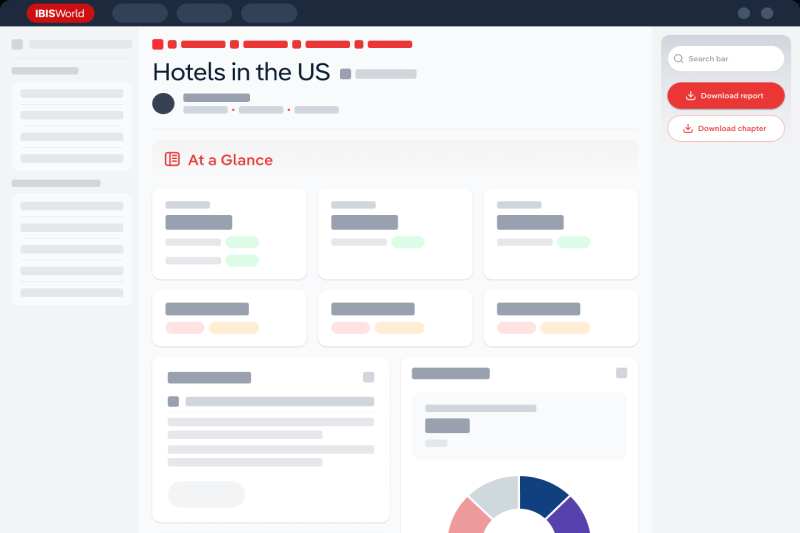
Answer any industry question in minutes with our entire database at your fingertips.
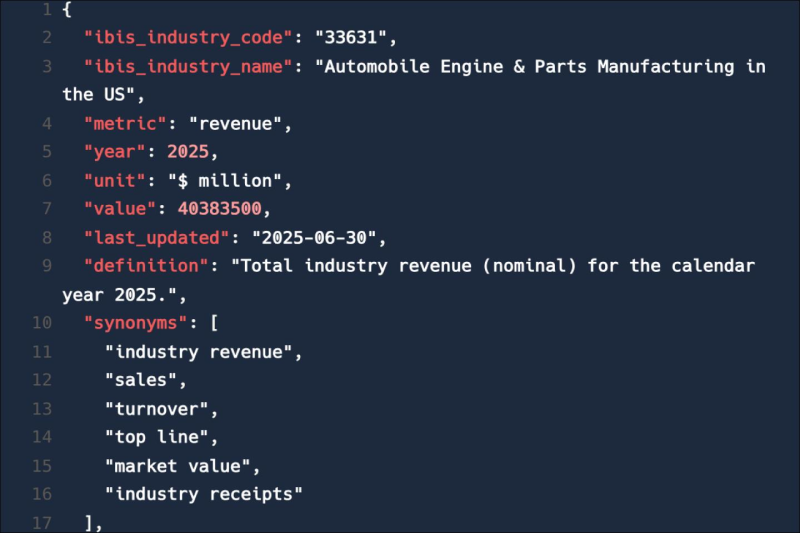
Feed trusted, human-driven industry intelligence straight into your platform.
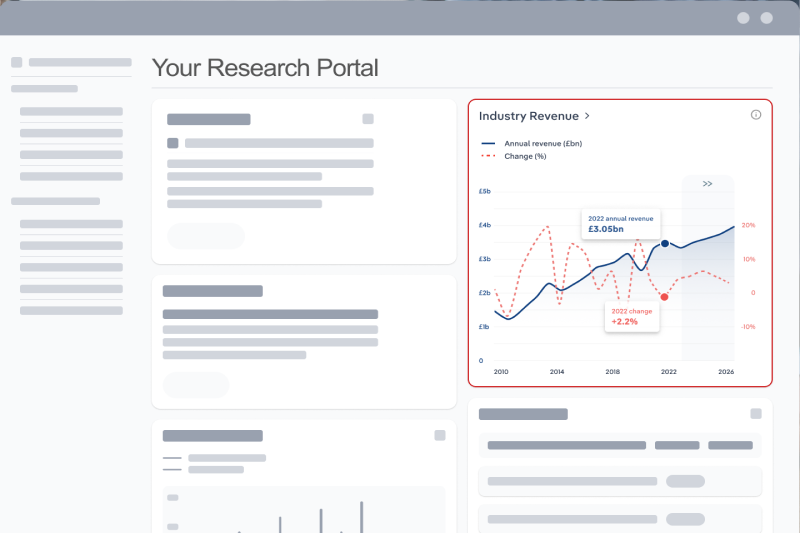
Streamline your workflow with IBISWorld’s intelligence built into your toolkit.
Explore industries with similar markets, supply chains, and economic drivers to gain broader context and insights.
When the stakes are high, you need intelligence that cuts through the noise—wherever you work.
The government consumption expenditure in Australia in 2027 was $651.2 billion.
The government consumption expenditure in Australia grew by 2.95% in 2027.
IBISWorld’s data and analysis on government consumption expenditure in Australia includes forecasted growth rates over the next five years.