
IBISWorld Platform
Answer any industry question in minutes with our entire database at your fingertips.

IBISWorld forecasts government funding for the PBS to increase by 4.5% in 2025-26, to reach $19.9 billion. Funding for the PBS depends on the volume of drugs that need to be subsidised, the manufacturers' pricing of the drugs and the range of drugs covered under the PBS. The increase in expenditure in 2025-26 will be driven by the reduction in consumer co-payments in 2026. Historically, concessional co-payments have increased in line with CPI on 1 January each year. However, the Federal Government's 2025-26 budget announced that the maximum PBS general patient co-payment will fall to $25 from $31.60 from January 2026. At the same time, eligible concession card holders will continue to be subject to a $7.70 co-payment for PBS-covered medicines. However, prices for eligible medicines are likely to increase over the year, as inflation remains high, forcing the federal government expenditure upwards.Government funding for the PBS can be quite volatile due to changes in drug pricing and the share of costs paid by the consumer. This was evident during the reformation of the PBS in 2023, where patient co-payment amounts were reduced from $42.50 to $30.00 for general patients. It was the first reduction in co-payment amounts in 75 years, as the Federal Government sought to ease the cost-of-living pressures on Australian households. This resulted in a 15.6% surge in federal expenditure on the PBS in 2022-23. On 1 January 2024, co-payment amounts increased at the annual CPI of 5.3% to the current frozen rates. This increase in co-payment amounts caused annual federal government expenditure to rise by 6.2% in 2023-24, a significant reduction compared with 2022-23. In 2024–25, the government capped the maximum price of a PBS prescription for Medicare cardholders for a year and extended this price freeze for eligible concession cardholders for up to five years, leading to a 7.2% gain in PBS expenditure.Funding for the PBS has expanded to include a number of new and amended listings, which has driven growth over the long term. For instance, in 2025–26, the Federal Government added several new oral contraceptive pills to the PBS for the first time in decades, cutting annual costs by roughly 70%. The expanded listings also introduced additional contraceptive choices and three new menopausal hormone therapies, improving affordable access to important medicines for women. Over the past five years, public awareness of these additions has increased, driving up federal funding for the PBS. Prescription volume growth has also been driven by rising demand for medicines from Australia's ageing population.The cost of drugs is highly concentrated, with the most expensive drugs (due to high volume and/or high price) costing around $2.2 billion in government funding when taking into account co-payments in 2024-25. Changes to the prices of these drugs contribute to volatility in funding costs. The remaining volatility stems from changes to the list of drugs and medicinal preparations available as pharmaceutical benefits, which are decided by the Pharmaceutical Benefits Advisory Committee. In 2025–26, the Federal Government signed the First Pharmaceutical Wholesaler Agreement with the National Pharmaceutical Services Association, providing a 34% increase in funding for medicine wholesalers to support the PBS. This is intended to contain supply-side cost pressures so distribution costs are not passed on to patients, allowing them to fully benefit from the PBS co-payment freeze. However, volatility in drug pricing has generally not affected overall PBS funding, as prescription volumes have continued to rise over the past five years. IBISWorld forecasts federal funding for the PBS to grow by a compound annual rate of 8.0% over the five years through 2025-26.
Curious about what drives these trends? IBISWorld's analyst coverage on the federal funding for the pharmaceutical benefits scheme includes detailled analysis on the current performance, outlook and industries affected.
1980-2032
This report analyses the total Federal Government funding for the Pharmaceutical Benefits Scheme (PBS). The PBS subsidises the cost of a range of pharmaceutical products for Australian residents. Under the scheme, the government purchases select drugs and charges consumers a flat fee for any drug included in the scheme. A lower fee is available for concession card holders and pensioners. The data for this report is sourced from the Department of Health and is measured in billions of current dollars per financial year.
IBISWorld Industry Reports are available in multiple formats to fit seamlessly into your workflow.
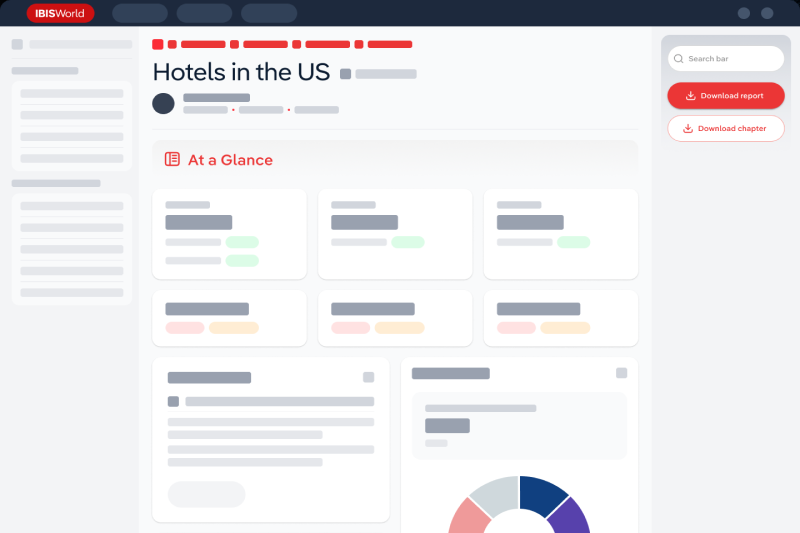
Answer any industry question in minutes with our entire database at your fingertips.
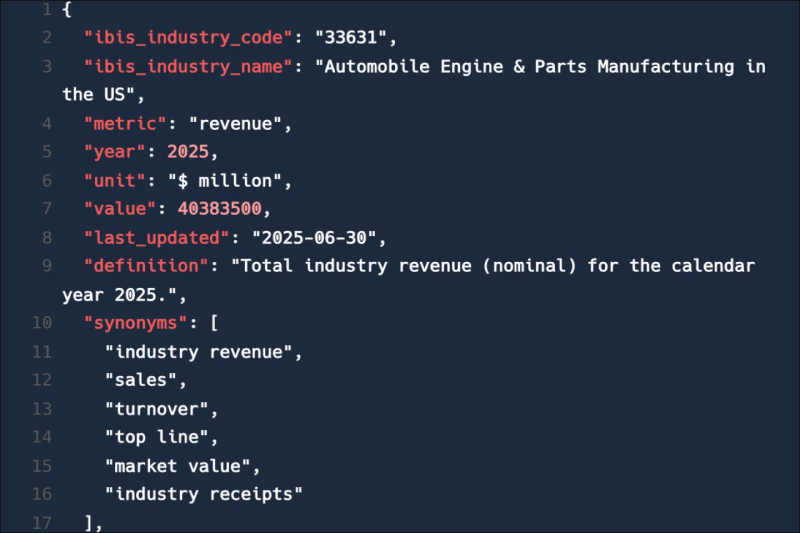
Feed trusted, human-driven industry intelligence straight into your platform.
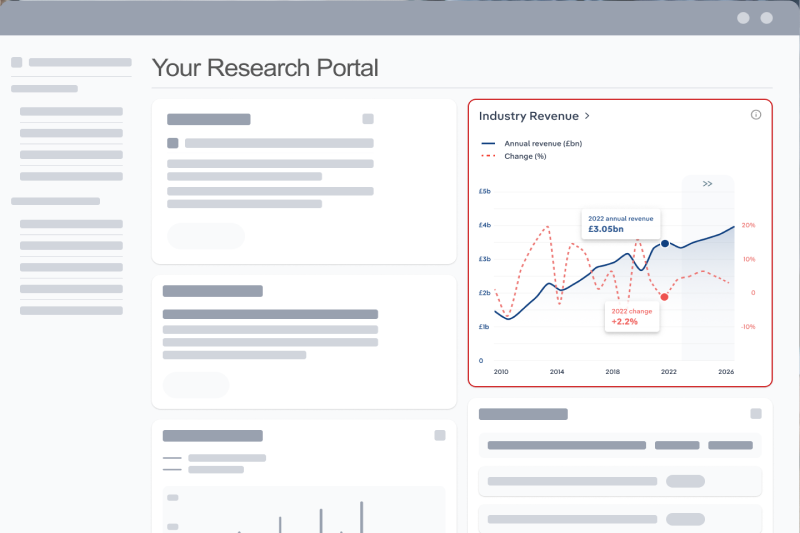
Streamline your workflow with IBISWorld’s intelligence built into your toolkit.
Explore industries with similar markets, supply chains, and economic drivers to gain broader context and insights.
| Industry | Country | Last 5-yr CAGR | Forecast 5-year CAGR | Revenue |
|---|---|---|---|---|
| Pharmaceutical Product Manufacturing in Australia |

|
XX% | XX% | $XX |
| Pharmaceutical Wholesaling in Australia |
|
XX% | XX% | $XX |
| Pharmacies in Australia |
|
XX% | XX% | $XX |
| Pharmacies in Australia |
|
XX% | XX% | $XX |
| Pharmaceutical Packing & Labelling Services in Australia |
|
XX% | XX% | $XX |
When the stakes are high, you need intelligence that cuts through the noise—wherever you work.
The federal funding for the pharmaceutical benefits scheme in Australia in 2026 was $19.9 billion.
The federal funding for the pharmaceutical benefits scheme in Australia grew by 7.91% in 2026.
IBISWorld’s data and analysis on federal funding for the pharmaceutical benefits scheme in Australia includes forecasted growth rates over the next five years.