IBISWorld Platform
Answer any industry question in minutes with our entire database at your fingertips.

IBISWorld forecasts the average export price of liquefied natural gas (LNG) to drop by 4.5% in 2025-26, to reach $14.78 per gigajoule. Australia is one of the world's largest exporters of LNG, accounting for around 20% of global exports. Approximately 80% of Australia's LNG exports are sold on long-term contracts with Japan, China and South Korea, with sales prices based on the underlying price of Japanese Customs-Cleared Crude Oil. While the prices of LNG and crude oil have been less closely linked in recent times, oil prices remain a significant influence on the prosperity of Australia's LNG market, particularly due to the reliance on these long-term sales contracts. Prior to the escalation in conflict between the United States and Iran in February 2026, the export price of LNG had been trending downwards. Global supply has been gradually increasing in recent years in response to the tightening of supply following the Russia-Ukraine conflict, pushing down prices from historical levels. However, the conflict in Iran resulted in a 31.1% increase in the Japanese LNG price in March 2026, according to commodity data from the World Bank. While Australian data isn't publicly available for this period at the time of writing, it is clear that global export prices for LNG have spiked since the onset of the conflict, with prices set to remain elevated until and unless a lasting peace treaty is able to be agreed upon. Despite this recent spike, the aggregation of the monthly export price on average over 2025-26 is set to decline.Since 2021-22, LNG demand has soared in the post-pandemic world while supply chains have been hit by multiple negative shocks, particularly the Russia-Ukraine conflict, which led to a meteoric rise in global prices during the 2022 calendar year. Sanctions, supply disruptions and restrictions on Russian gas exports constrained global gas supply, causing LNG export prices to surge. European gas markets, which traditionally relied on Russian gas supply, were forced to quickly search for alternative supply sources, boosting demand for Australian LNG exports. This contributed to an unprecedented spike in export prices for Australian LNG across 2021–22 and 2022–23.In February 2023, the Department of Industry, Science and Resources of Australia announced an intention to reform the Australian Domestic Gas Security Mechanism (ADGSM), giving the mechanism some additional powers. The reformed ADGSM reserved the power to review Australia's domestic energy needs quarterly and to curb LNG exports to prioritise the satisfaction of local demand. The reformed ADGSM has intensified competition between European and Asian buyers competing for Australian LNG cargoes. This competition has kept export prices elevated in recent years, despite a rise in export volumes stemming from the United States and Qatar having a deflationary effect on global export prices.Global average temperatures rose consistently across 2023-24, setting all-time highs for 12 consecutive months. This trend supported strong demand for LNG across some of Australia's largest Asian buyers, keeping export volumes largely consistent over the year. Despite strong demand from Asia, significant growth in US exports placed strong downwards pressure on Australian LNG export prices. Rising supply from the US market has increased competition among major exporting countries, including Australia. Declining prices caused export trade values to decrease by 25.4% in 2023-24.In 2024-25, the export price of LNG trended downwards, as increased US and Qatari exports helped sustain global LNG markets. Oil prices also declined throughout the year, placing downwards pressure on the export price of Australian LNG via long-term sales contracts with overseas buyers that leverage oil price derivatives. Australian LNG output also fell compared to 2023-24, as gas fields matured, resulting in a contraction in export revenue from LNG over the year. Overall, IBISWorld forecasts the average export price of liquefied natural gas to rise at a compound annual rate of 14.7% over the five years through 2025-26.
Curious about what drives these trends? IBISWorld's analyst coverage on the export price of liquefied natural gas includes detailled analysis on the current performance, outlook and industries affected.
2005-2033
This report analyses the average annual price of Australian liquefied natural gas (LNG), which is natural gas that has been converted into an exportable form. The data used for the report includes the annual export values and volumes of LNG, which are sourced from the Office of the Chief Economist. Data is expressed in terms of dollars per gigajoule per financial year. The domestic price of natural gas and the export price of LNG are linked, but are not synonymous.
IBISWorld Industry Reports are available in multiple formats to fit seamlessly into your workflow.

Answer any industry question in minutes with our entire database at your fingertips.
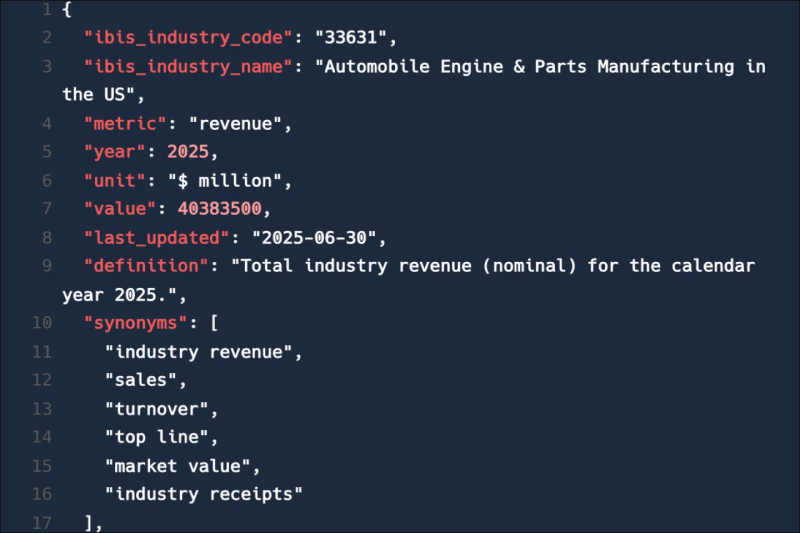
Feed trusted, human-driven industry intelligence straight into your platform.
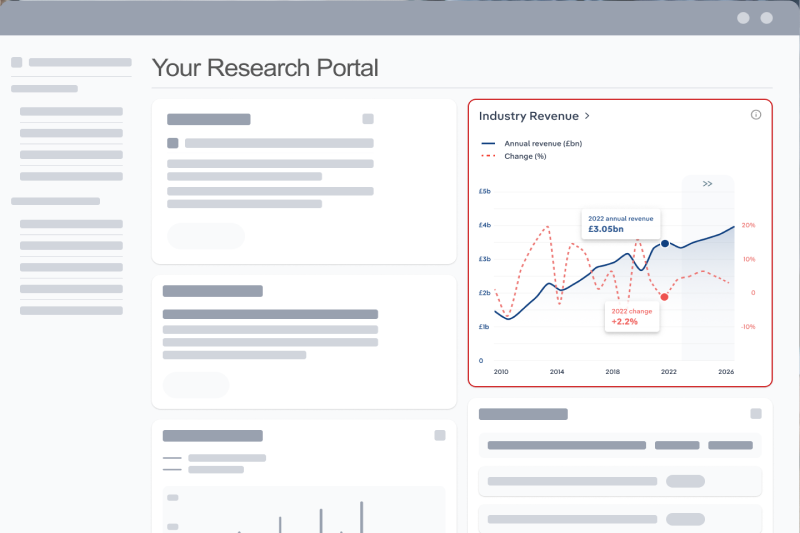
Streamline your workflow with IBISWorld’s intelligence built into your toolkit.
Explore industries with similar markets, supply chains, and economic drivers to gain broader context and insights.
| Industry | Country | Last 5-yr CAGR | Forecast 5-year CAGR | Revenue |
|---|---|---|---|---|
| Oil and Gas Extraction in Australia |

|
XX% | XX% | $XX |
| Liquefied Natural Gas Production in Australia |
|
XX% | XX% | $XX |
| Coal Seam Gas Extraction in Australia |
|
XX% | XX% | $XX |
| Oil and Gas Field Services in Australia |
|
XX% | XX% | $XX |
| Mining in Australia |
|
XX% | XX% | $XX |
When the stakes are high, you need intelligence that cuts through the noise—wherever you work.
The export price of liquefied natural gas in Australia in 2026 was 14.78 $.
The export price of liquefied natural gas in Australia grew by 14.68% in 2026.
IBISWorld’s data and analysis on export price of liquefied natural gas in Australia includes forecasted growth rates over the next five years.