IBISWorld Platform
Answer any industry question in minutes with our entire database at your fingertips.

IBISWorld forecasts the domestic price of meat to rise by 2.2% during 2025-26, to reach 182.4 index points. Saleyard prices for cattle and sheep are climbing, as farmers reduce turnoff rates (i.e. the number of livestock sent to abattoirs). This follows surging turnoff rates over the three years through 2024-25. The plunge in supply has driven domestic lamb and beef prices higher. Pig meat prices are also set to rise, placing further upward pressure on prices.Domestic meat prices have been highly volatile but risen overall over the past five years. Rising incomes in key export markets throughout Asia and the Middle East have improved the purchasing power of consumers in these markets. This has enabled foreign consumers to purchase higher value, premium meats. Australia's high standards of production and strict quarantine laws mean that Australian agricultural products, like beef and lamb, are generally viewed as high-value goods in export markets. As a result, increasing demand for premium meats has boded well for Australian meat producers. The depreciating Australian dollar over the period has supported demand in export markets, as the low dollar makes exported meats more affordable for overseas consumers. The rate of growth in beef and sheep meat exports has been boosted by Pandemic lockdowns and the associated economic impact also affected demand for Australian beef and mutton in export markets. Demand has recovered somewhat in 2023-24, but has been tempered by global inflationary pressures. As a result, the volume of meat exports has declined as a share of production over the past five years.Mounting demand for Australian meat in export markets saw Australian meat producers increasingly divert meat supplies to export markets in an attempt to increase earnings at the start of the period. This reduced meat supplies available to the local market, placing upward pressure on local prices. Meat processors faced significant disruptions with COVID-19 outbreaks leading to labour shortages and even the shutdown of processing facilities. This constrained overall production during 2020-21 and 2021-22, placing upward pressure on meat prices. Fluctuating beef cattle herd and sheep flock numbers have also affected supplies to local and overseas markets, which have impacted prices. Overall, IBISWorld forecasts the domestic price of meat to increase at a compound annual rate of 3.9% over the five years through 2025-26.
Curious about what drives these trends? IBISWorld's analyst coverage on the domestic price of meat includes detailled analysis on the current performance, outlook and industries affected.
1984-2033
This report analyses the price of meat in Australia. This includes beef, veal, pork, lamb, goat and other meats, and excludes poultry. This report uses the price index of production in the Meat Processing industry. The data is sourced from the Australian Bureau of Statistics and is measured in index points with a base year of 2011-12.
IBISWorld Industry Reports are available in multiple formats to fit seamlessly into your workflow.

Answer any industry question in minutes with our entire database at your fingertips.
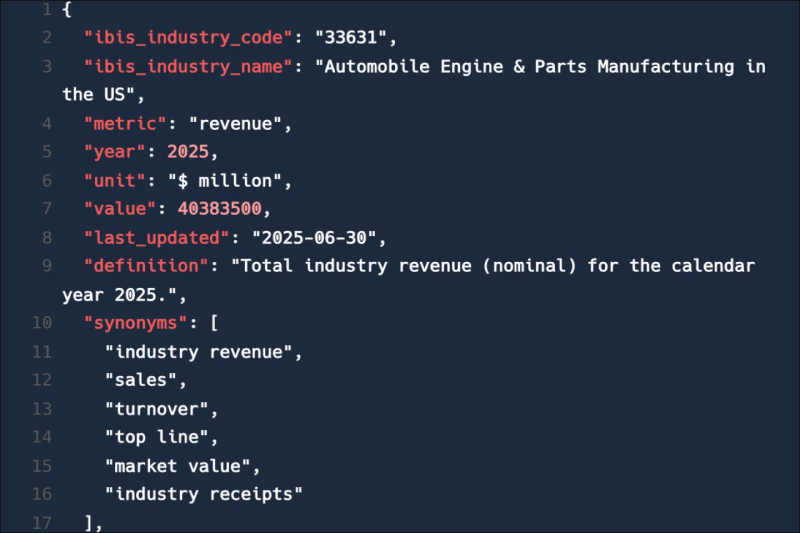
Feed trusted, human-driven industry intelligence straight into your platform.
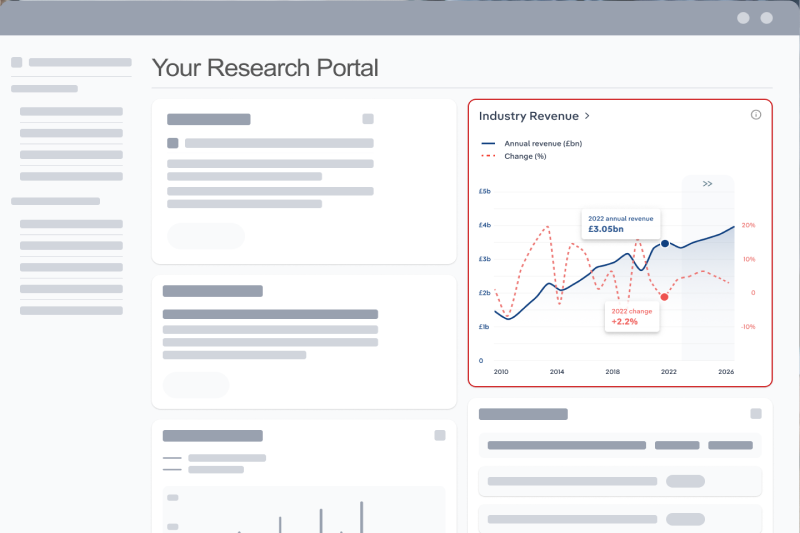
Streamline your workflow with IBISWorld’s intelligence built into your toolkit.
Explore industries with similar markets, supply chains, and economic drivers to gain broader context and insights.
| Industry | Country | Last 5-yr CAGR | Forecast 5-year CAGR | Revenue |
|---|---|---|---|---|
| Cured Meat and Smallgoods Manufacturing in Australia |

|
XX% | XX% | $XX |
| Cured Meat and Smallgoods Manufacturing in Australia |
|
XX% | XX% | $XX |
| Meat, Poultry and Smallgoods Wholesaling in Australia |
|
XX% | XX% | $XX |
| Fresh Meat, Fish and Poultry Retailing in Australia |
|
XX% | XX% | $XX |
| Fresh Meat, Fish and Poultry Retailing in Australia |
|
XX% | XX% | $XX |
| Agribusiness in Australia |
|
XX% | XX% | $XX |
| Delicatessens in Australia |
|
XX% | XX% | $XX |
| Meat, Poultry and Smallgoods Wholesaling in Australia |
|
XX% | XX% | $XX |
| General Line Grocery Wholesaling in Australia |
|
XX% | XX% | $XX |
When the stakes are high, you need intelligence that cuts through the noise—wherever you work.
The domestic price of meat in Australia in 2026 was 182.4 index points.
The domestic price of meat in Australia grew by 3.86% in 2026.
IBISWorld’s data and analysis on domestic price of meat in Australia includes forecasted growth rates over the next five years.