IBISWorld Platform
Answer any industry question in minutes with our entire database at your fingertips.

IBISWorld expects the domestic price of fertiliser to rise by 5.3% during 2025-26, to reach 100.0 index points. Key fertiliser inputs include phosphate rock, triple superphosphate (TSP), diammonium phosphate (DAP), potassium chloride (potash), urea and ammonia. Australia has relatively weak buying power in the global fertiliser market because of limited consumption of fertiliser, so changes in global prices of key inputs tend to have a significant influence the domestic price of fertiliser. Through March 2026, global prices for DAP, TSP, Urea and Potassium chloride have all expanded compared to 2024-25, according to the World Bank. This price growth has been driven by numerous factors, including a recovery in demand for fertiliser as prices have fallen since peak levels witnessed in 2022-23. As reserves have become more depleted, more farmers have had to increase their demand for fertiliser, driving up prices for key inputs and finished products. In addition, urea prices spiked 53.7% between February and March 2026, according to the World Bank, as the onset of the conflict between the United States and Iran resulted in significant disruptions to urea shipping routes passing through the Strait of Hormuz. Urea prices are expected to remain elevated through the end of 2025-26, causing a persistent spike in domestic fertiliser procurement prices in Q2 2026.The impact of volatility in price inputs on domestic fertiliser prices was most evident during 2021-22 and 2022-23. Russia is among the largest global exporters of fertiliser and fertiliser inputs, including natural gas, ammonium nitrate, urea, ammonia and NPKs. In March 2022, many countries globally, including Australia, announced restrictions on imports from Russia, limiting the global supply of fertiliser and many key inputs used in its production. This constrained supply led to excess demand, allowing fertiliser manufacturers to drive up prices exorbitantly.Domestic fertiliser prices are a function of annual rainfall levels, as poor rainfall makes it difficult to grow crops, increasing the need for fertiliser. Prolonged drought can also constrain fertiliser purchases, as ongoing dry conditions discourage farmers from investing in the often-expensive fertilisers. Relatively strong water availability in recent years has reduced the need for fertiliser, helping to relieve some price pressure throughout 2023-24 and 2024-25. Throughout this period, new fertiliser manufacturers have entered the global market to take advantage of the supply gaps created by trade sanctions on Russian manufacturers. This increase in supply has also had a deflationary effect on fertiliser prices. Between 2021-22 and 2024-25, urea prices have fallen by 47.4% and potassium chloride has plummeted by 64.1%, providing some relief to farmers procuring fertiliser. Overall, IBISWorld expects the domestic price of fertiliser to rise at a compound annual rate of 7.1% over the five years through 2025-26.
Curious about what drives these trends? IBISWorld's analyst coverage on the domestic price of fertiliser includes detailled analysis on the current performance, outlook and industries affected.
1980-2033
This report analyses the price paid by farmers for fertiliser, used as an input in farming production. The price is represented by an index, with the base year of 2025-26. The index represents movements in the average price paid for major fertiliser types, including single superphosphate, ammonium sulphate and potassium chloride. Data for this report is sourced from the Australian Bureau of Agricultural and Resource Economics and Sciences (ABARES) and is recorded as an average price over each financial year.
IBISWorld Industry Reports are available in multiple formats to fit seamlessly into your workflow.

Answer any industry question in minutes with our entire database at your fingertips.
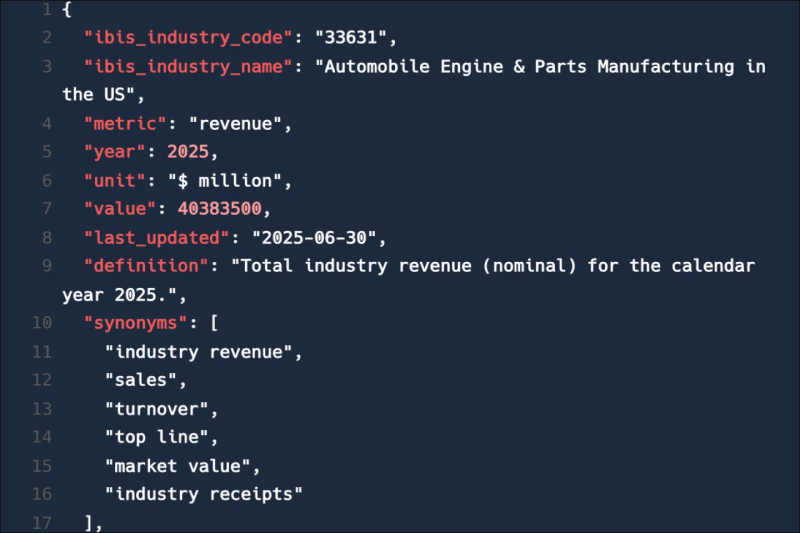
Feed trusted, human-driven industry intelligence straight into your platform.
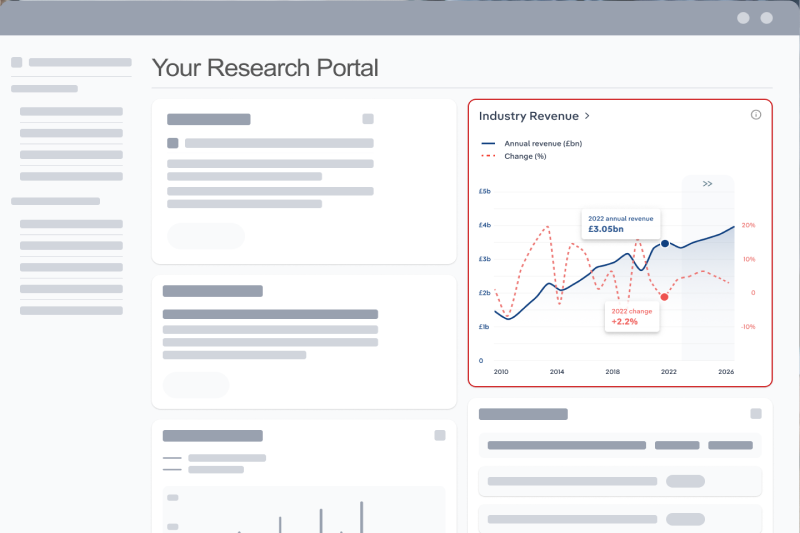
Streamline your workflow with IBISWorld’s intelligence built into your toolkit.
Explore industries with similar markets, supply chains, and economic drivers to gain broader context and insights.
When the stakes are high, you need intelligence that cuts through the noise—wherever you work.
The domestic price of fertiliser in Australia in 2026 was 100 index points.
The domestic price of fertiliser in Australia grew by 7.12% in 2026.
IBISWorld’s data and analysis on domestic price of fertiliser in Australia includes forecasted growth rates over the next five years.