IBISWorld Platform
Answer any industry question in minutes with our entire database at your fingertips.

IBISWorld expects the domestic price of eggs to fall 3.3% during 2026-27 to total 96.7 index points. The primary driver of this decline is a recovery in domestic egg supply as flock sizes gradually rebuild following the biosecurity-driven cullings of 2023-25, with young hens taking 18 to 20 weeks from birth to begin laying. Easing grain feed costs have provided producers with cost relief, with Australian wheat prices in 2025-26 trading in the high $300 per tonne range, well below the peaks seen in 2022-23, according to ABARES. Softening demand from cafes and restaurants, as elevated living costs weigh on household discretionary spending, has further reduced upward price pressure. These downward forces have more than offset ongoing biosecurity compliance costs and new animal welfare regulations implemented in Victoria in early 2026, which continue to add to producer cost.This price growth follows a period of significant volatility. The 2022 and 2023 calendar years saw a national egg shortage develop in Australia because of a combination of volatile demand conditions, increased prevalence of free-range eggs and unfavourable weather patterns. In 2024-25, a further escalation occurred as avian influenza outbreaks, including an H7 strain detected in Victoria in February 2025, resulted in the slaughter of approximately 1.8 million birds at commercial egg farms according to the federal government. Producers have been reluctant to expand flock sizes given the prolonged period of biosecurity uncertainty.The domestic price of eggs has increased over the five years through the end of 2026-27. The types of eggs purchased have changed significantly over the period, which has inflated the cost of production and reduced average yields in the industry. Increasing concerns for animal welfare have resulted in a growing share of consumers purchasing higher-value free-range, biodynamic and organic eggs rather than cage eggs. These producers are typically less productive and more reliant on fluctuations in weather. Cage egg farms keep hens in a more controlled indoor environment, which is optimised to stimulate laying. Welfare concerns have also resulted in legislative changes, which have increased compliance costs for both free-range and cage egg producers, necessitating upgrades in facilities and equipment costs.The national standard developed in March 2016 regarding free-range eggs requires that farmers not exceed 10,000 hens per hectare to label their eggs as free-range. As this greatly exceeds the previous CSIRO voluntary limit of 1,500 hens per hectare, the standard has enabled large-scale commercial free-range operations to expand, increasing the supply of lower-priced free-range eggs and partially limiting price growth driven by shifting consumer preferences. The ACCC has since introduced further rules policing the marketing of free-range eggs, adding additional compliance costs for producers. According to WATTAgNet, Coles and ALDI had originally committed to phasing out cage eggs by 2025 but have since extended their deadlines to 2030, while Woolworths has left its timeline open-ended; Coles sources 94% of shell eggs from cage-free operations as of 2024-25, while ALDI has reached 73%. Innovations like the 'Fitchix' tracker, designed to track the chicken steps, have provided consumers with enhanced transparency and reassurances about animal welfare, though they have also lifted egg prices through the added costs of tracking technology and higher-welfare requirements. IBISWorld forecasts the domestic price of eggs to increase at a compound annual rate of 4.5% over the five years through 2026-27.
Curious about what drives these trends? IBISWorld's analyst coverage on the domestic price of eggs includes detailled analysis on the current performance, outlook and industries affected.
1978-2034
This report analyses the domestic price of eggs, measured by the producer price index for eggs. Categories of eggs considered are cage eggs, free-range eggs, specialty and organic eggs, and barn-laid eggs. Cage eggs come from hens constantly confined in cages; free-range eggs come from chickens that have space to roam outdoors; specialty eggs are from non-chicken poultry, such as quail or duck eggs; organic eggs come from hens that are given organic feed; and barn-laid eggs are from hens that are confined to indoor spaces but have room to move around. Financial year data for this report is sourced from the Australian Bureau of Agricultural and Resource Economics and Sciences (ABARES) and is measured in index points with a base year of 2023-24.
IBISWorld Industry Reports are available in multiple formats to fit seamlessly into your workflow.
Answer any industry question in minutes with our entire database at your fingertips.
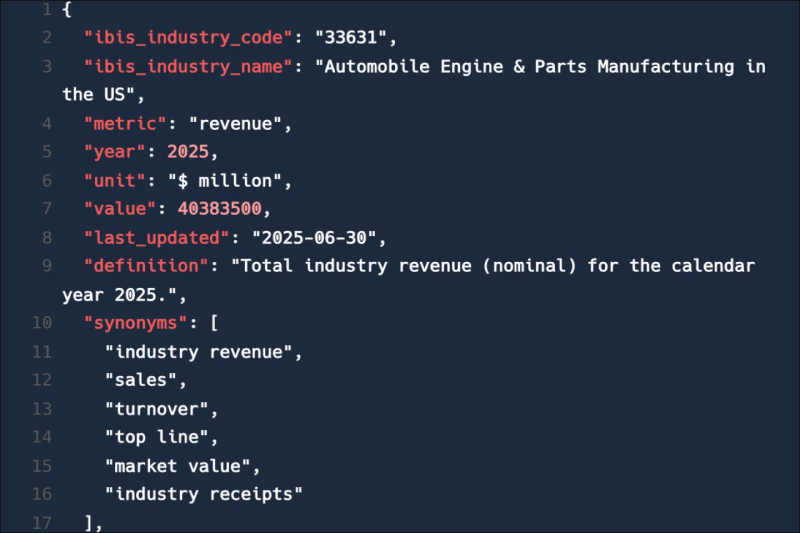
Feed trusted, human-driven industry intelligence straight into your platform.
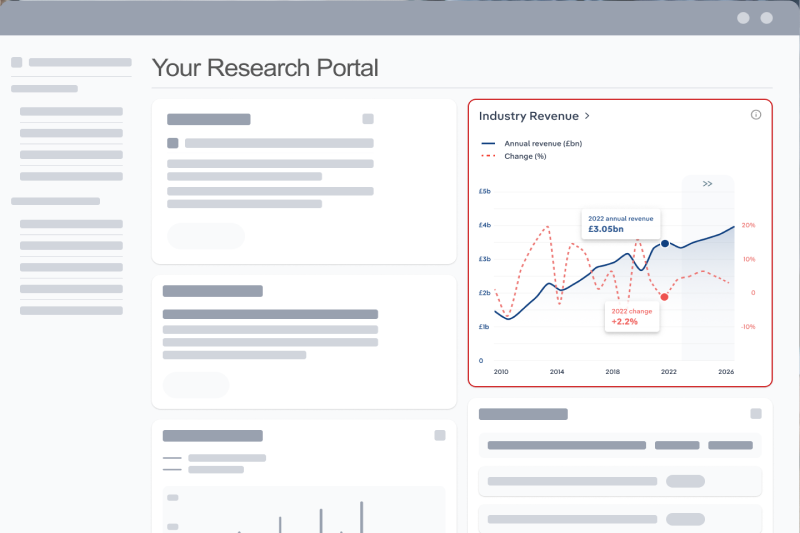
Streamline your workflow with IBISWorld’s intelligence built into your toolkit.
Explore industries with similar markets, supply chains, and economic drivers to gain broader context and insights.
| Industry | Country | Last 5-yr CAGR | Forecast 5-year CAGR | Revenue |
|---|---|---|---|---|
| Egg Farming in Australia |

|
XX% | XX% | $XX |
| Egg Farming in Australia |
|
XX% | XX% | $XX |
When the stakes are high, you need intelligence that cuts through the noise—wherever you work.
The domestic price of eggs in Australia in 2027 was 96.7 index points.
The domestic price of eggs in Australia grew by 4.53% in 2027.
IBISWorld’s data and analysis on domestic price of eggs in Australia includes forecasted growth rates over the next five years.