
IBISWorld Platform
Answer any industry question in minutes with our entire database at your fingertips.

IBISWorld forecasts the number of business bankruptcies to fall by 24.8% in 2025-26, to 11,070. Business bankruptcies are coming off a high over the four years through 2024-25, as the number of bankruptcies surged following the end of the pandemic. The drop in current year, represents a normalisation in the number of business bankruptcies following significant volatility over the past five years.The COVID-19 outbreak caused significant uncertainty for many businesses. Yet, in response to the pandemic, government intervention and support measures averted high instances of bankruptcies. For example, Jobkeeper and rent relief assistance for many businesses eased the financial burden of the pandemic. Furthermore, several businesses were given opportunities to restructure and rearrange their affairs with the help of Government schemes following the initial outbreak. These schemes and initiatives limited the number of businesses filing for bankruptcy over much of the past five years. Indeed, business bankruptcies dropped by over 40.0% in 2020-21.The gradual removal of COVID-19 stimulus measures caused business bankruptcies to rise over the four years through 2024-25. The number of bankruptcies peaked in 2024-25, at 14,722, far above the long-term average. Many businesses had managed to delay entering into external administration due to government support during the pandemic, and this created a surge of companies entering insolvency as this support was removed. Business bankruptcy numbers are expected to start to normalise towards long-term pre-pandemic averages in 2025-26. Overall, IBISWorld forecasts the number of business-related bankruptcies to rise at an annualised 21.2% over the five years through 2025-26.
Curious about what drives these trends? IBISWorld's analyst coverage on the business bankruptcies includes detailled analysis on the current performance, outlook and industries affected.
2004-2033
This report analyses the number of companies that become insolvent and enter into a form of external administration or has a controller appointed. This includes companies that are forced to restructure, liquidate assets, enter voluntary administration or have a controller, including a court-appointed controller. The data for this report is sourced from the Australian Securities and Investments Commission and is presented in financial years.
IBISWorld Industry Reports are available in multiple formats to fit seamlessly into your workflow.

Answer any industry question in minutes with our entire database at your fingertips.
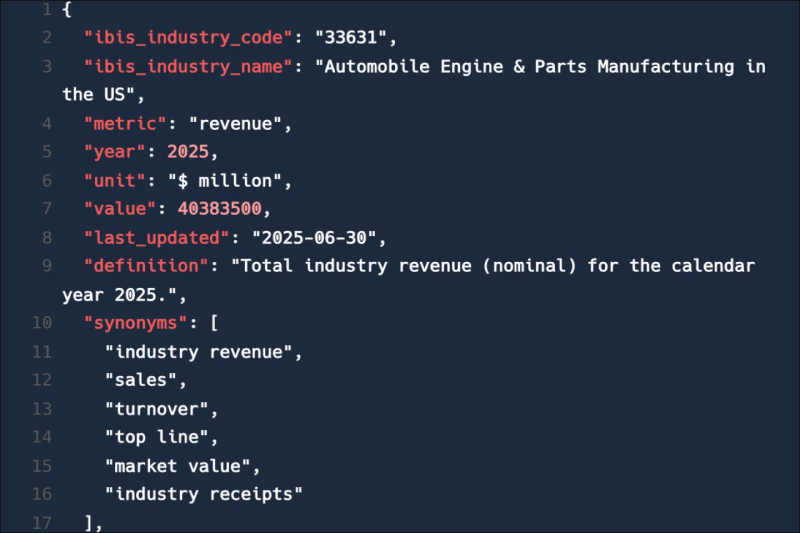
Feed trusted, human-driven industry intelligence straight into your platform.
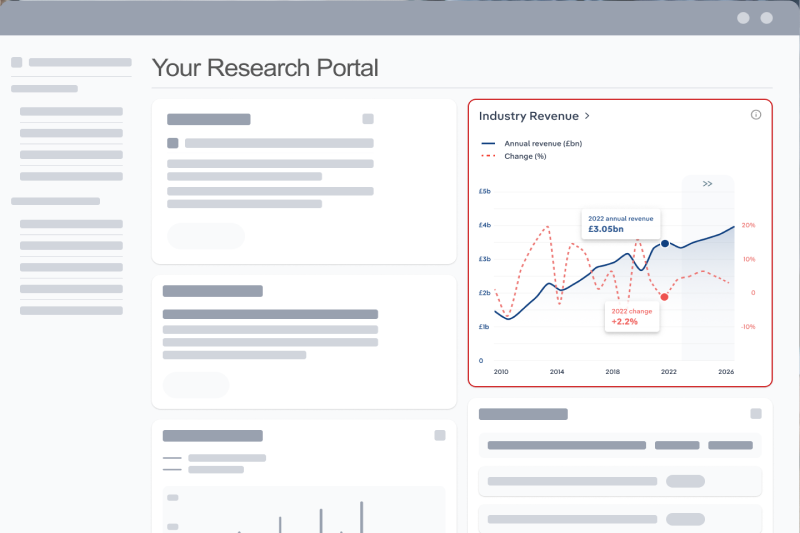
Streamline your workflow with IBISWorld’s intelligence built into your toolkit.
Explore industries with similar markets, supply chains, and economic drivers to gain broader context and insights.
| Industry | Country | Last 5-yr CAGR | Forecast 5-year CAGR | Revenue |
|---|---|---|---|---|
| Business Liquidation Services in Australia |

|
XX% | XX% | $XX |
| Litigation Funding in Australia |
|
XX% | XX% | $XX |
| Employee Assistance Program Services in Australia |
|
XX% | XX% | $XX |
| Debt Collection in Australia |
|
XX% | XX% | $XX |
| Outplacement Services in Australia |
|
XX% | XX% | $XX |
| Credit Agencies in Australia |
|
XX% | XX% | $XX |
| Serviced Office Leasing in Australia |
|
XX% | XX% | $XX |
When the stakes are high, you need intelligence that cuts through the noise—wherever you work.
The business bankruptcies in Australia in 2026 was 11,070 units.
The business bankruptcies in Australia grew by 21.19% in 2026.
IBISWorld’s data and analysis on business bankruptcies in Australia includes forecasted growth rates over the next five years.