IBISWorld Platform
Answer any industry question in minutes with our entire database at your fingertips.

IBISWorld forecasts agriculture irrigation water use to rise by 2.6% in 2026-27, to an application rate of 4.0 megalitres per hectare. Major crops in Australia that are heavily reliant on irrigation water include cotton, grapes, rice, and almonds. Other crops like wheat and coarse grains are not reliant on irrigation water, but benefit from some use of irrigation, especially during periods of low rainfall. Rising planted areas of barley and oats is expected to boost irrigation water use. Furthermore, declining rainfall during the year is increasing reliance on irrigation water.The use of irrigation water is heavily influenced by changes in annual rainfall. When rainfall levels are low, farmers turn to irrigation water to make up for the shortfall. However, below-average rainfall also tends to reduce river flows. As a result, low rainfall can also limit irrigation water use, as farming enterprises have less water to draw on.Irrigation water use is also influenced by the price farmers are required to pay to extract water. Farmers in the Murray-Darling Basin can obtain water for irrigation purposes by purchasing water licences. These licences stipulate a water allowance in megalitres, with the annual extraction allowance being approved at the start of each financial year. This annual allowance is expressed as a percentage of the licence volume, determined by water availability. For instance, when water availability is low, farmers may only receive 25% of their licence volume. Water licence prices rise and fall inversely with water availability. Although irrigation water tends to grow as a share of total water applied on farms during droughts, the application rate tends to increase during periods of above-average rainfall, driven by greater availability and lower prices.In addition to annual rainfall levels influencing water extraction volumes, government departments can increase or reduce the amount of water extracted for irrigation. For example, Murray-Darling Basin Authority, which is an independent statutory agency, introduced sustainable diversion limits (SDLs) in the Murray–Darling Basin as part of its Basin Plan in 2019. Commonwealth environmental water recovery under the Murray–Darling Basin Plan has progressively reduced the volume of water available for consumptive use by irrigators, contributing to lower irrigation water availability in key systems like the Goulburn-Murray Irrigation District (GMID). The Victorian Government's 2022 assessment of Basin Plan impacts found that water recovery measures had already reduced irrigation water use in the GMID by around 50%, particularly during drier seasons. Overall, IBISWorld forecasts that agriculture irrigation water use will contract at a compound annual rate of 0.5% over the five years through 2026-27.
Curious about what drives these trends? IBISWorld's analyst coverage on the agriculture irrigation water use includes detailled analysis on the current performance, outlook and industries affected.
2003-2034
This report analyses the usage of irrigation water in Australian agriculture, measured in megalitres of irrigation water used per hectare of agricultural land. This measure is known as the water application rate. The data for this report is sourced from the Australian Bureau of Statistics and is displayed in financial years.
IBISWorld Industry Reports are available in multiple formats to fit seamlessly into your workflow.

Answer any industry question in minutes with our entire database at your fingertips.
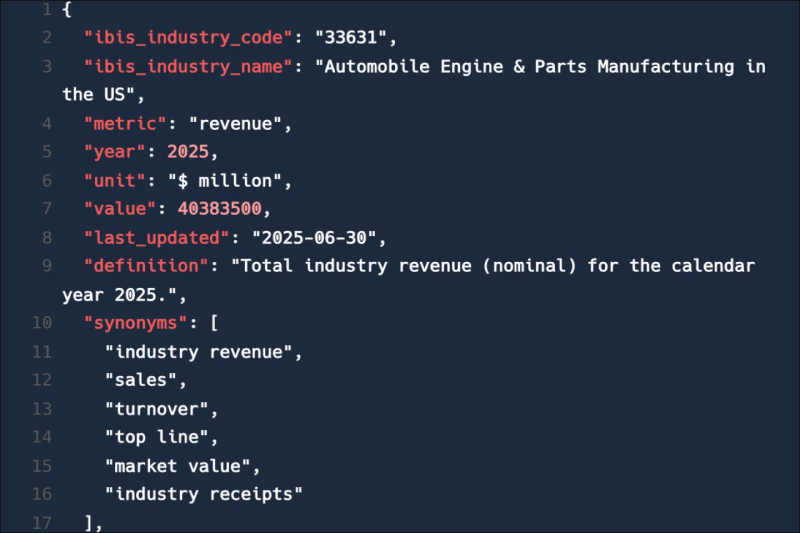
Feed trusted, human-driven industry intelligence straight into your platform.
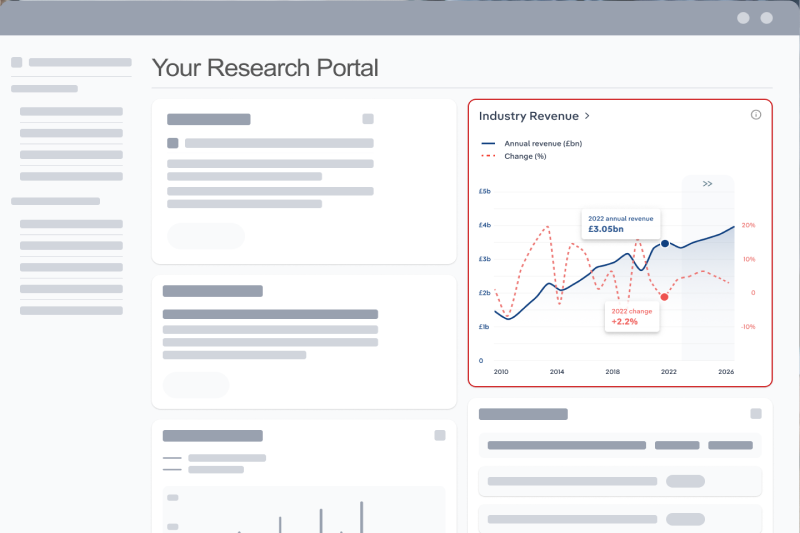
Streamline your workflow with IBISWorld’s intelligence built into your toolkit.
Explore industries with similar markets, supply chains, and economic drivers to gain broader context and insights.
| Industry | Country | Last 5-yr CAGR | Forecast 5-year CAGR | Revenue |
|---|---|---|---|---|
| Pump & Compressor Manufacturing in Australia |

|
XX% | XX% | $XX |
| Pump & Compressor Manufacturing in Australia |
|
XX% | XX% | $XX |
| Water Supply in Australia |
|
XX% | XX% | $XX |
When the stakes are high, you need intelligence that cuts through the noise—wherever you work.
The agriculture irrigation water use in Australia in 2027 was 4 megalitres per hectare.
The agriculture irrigation water use in Australia declined by -0.49% in 2027.
IBISWorld’s data and analysis on agriculture irrigation water use in Australia includes forecasted growth rates over the next five years.