
IBISWorld Platform
Answer any industry question in minutes with our entire database at your fingertips.

IBISWorld forecasts the 10-year bond rate to rise by 0.32 percentage points in 2025-26, to average 4.61%. The 10-year bond rate trends have generally aligned with cash rate movements in recent years. In February 2026, the RBA raised the cash rate by 25 basis points to 3.85%, the first rate hike since November 2023. The central bank has attributed the decision to increased inflationary pressure in the second half of 2025. According to the central bank, the private sector, including households and businesses, is raising spending, driving up price pressures and economic growth quicker than previously anticipated. The labour market has also remained tight thanks to a lower-than-expected unemployment rate and low labour underutilisation, contributing to the central bank's decision to hike rates. The central bank's hawkish stance is expected to exert upward pressure on the 10-year bond rate in 2025-26. Over the past few years, the 10-year bond rate has moved largely in line with the cash rate, which is determined by the RBA. The 10-year bond rate is affected by investor expectations regarding the medium-term direction of the cash rate. The 10-year rate tends to lead the short-term rates because of forward guidance given by the RBA and investor expectations and forecasts for the domestic economy. Although interest rates in 2020-21 were slightly higher than rates in 2019-20, they remained at historically low levels as central banks worldwide responded to the pandemic-induced recession, including in Australia. As economic conditions stabilised and inflationary pressures mounted, central banks, including the RBA, began to raise rates, leading to a substantial increase in the 10-year bond yield over the past five years. The RBA started raising rates in May 2022. Further cash rate rises have occurred in several monthly meetings through June 2023 to tackle inflation. In its November 2023 meeting, the cash rate rose to 4.35%, marking its highest level since December 2011. However, as inflationary pressures and output growth eased, the RBA reduced the cash rate by 25 basis points in February, May and August 2025. These cuts partially offset the rise in the 10-year bond rate over the past few years through the end of 2025-26, but weren't sufficient to counteract the overall upward trend in interest rates. Overall, IBISWorld forecasts the 10-year bond rate to increase at an average annual rate of 0.68 percentage points over the five years through 2025-26.
Curious about what drives these trends? IBISWorld's analyst coverage on the 10-year bond rate includes detailled analysis on the current performance, outlook and industries affected.
1970-2033
This report analyses the current market yield on 10-year Treasury bonds. Treasury bonds are debt securities issued by the Australian government, which are considered to have no default risk. They pay interest semi-annually and return the face value of the bond at maturity. The yield is comparable to the interest rate on a newly issued 10-year bond, priced at face value. The yield on a bond can be calculated from the bond interest rate and the difference between the market price of the bond and the face value that is paid back at maturity. Data for this report is sourced from the Reserve Bank of Australia (RBA) and is presented as the average yield over each financial year.
IBISWorld Industry Reports are available in multiple formats to fit seamlessly into your workflow.

Answer any industry question in minutes with our entire database at your fingertips.
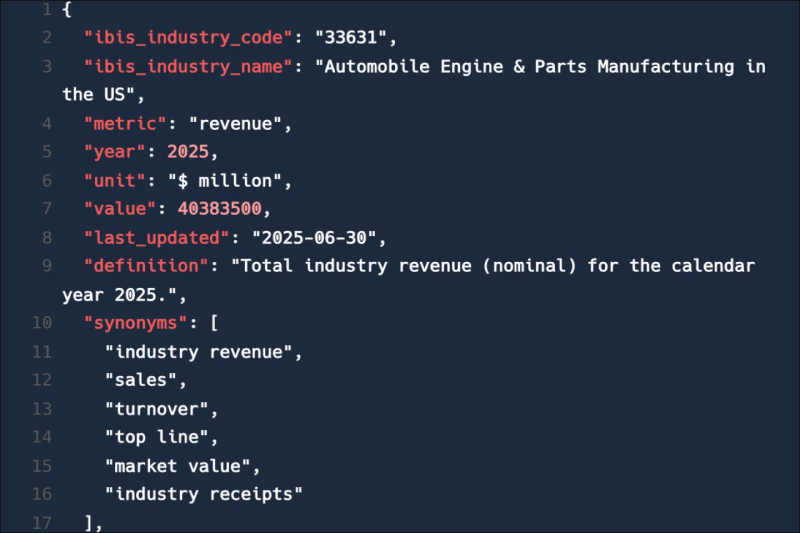
Feed trusted, human-driven industry intelligence straight into your platform.
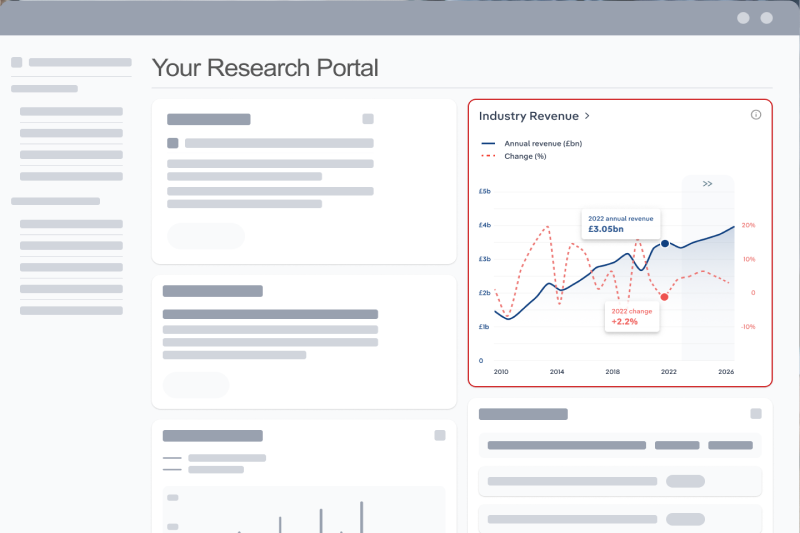
Streamline your workflow with IBISWorld’s intelligence built into your toolkit.
Explore industries with similar markets, supply chains, and economic drivers to gain broader context and insights.
When the stakes are high, you need intelligence that cuts through the noise—wherever you work.
The 10-year bond rate in Australia in 2026 was 4.61 percentage.
The 10-year bond rate in Australia grew by 0.68% in 2026.
IBISWorld’s data and analysis on 10-year bond rate in Australia includes forecasted growth rates over the next five years.