IBISWorld Platform
Answer any industry question in minutes with our entire database at your fingertips.

The world price of steel is expected to rise 15.7% reach $712.39 per metric ton in 2026. Prices have firmed from their 2024 trough, although the recovery reflects trade protection rather than any broad improvement in underlying demand. Steel is increasingly priced in separate regional markets instead of one global market. Escalating US Section 232 tariffs, restructured in April 2026 to cover a far wider range of downstream products and to apply to full customs value, have insulated domestic mills and lifted American hot-rolled coil to multiyear highs, pulling the composite measure up even as export market prices languish. The European Union has replaced its safeguard regime with sharply reduced import quotas and a doubled out-of-quota duty. Asian prices remain the weakest link, with Chinese mills clearing surplus output through record export volumes. Falling iron ore prices have trimmed production costs, limiting the upside.The five-year period from 2021 to 2026 witnessed significant volatility in global steel prices, with a compound annual growth rate of -8.7%. Prices peaked in 2021 as post-pandemic stimulus, inventory restocking and stretched supply chains collided with constrained mill output. Russia's invasion of Ukraine sustained elevated pricing into 2022 by disrupting Black Sea supply and driving European energy costs to record levels, which forced widespread capacity idling across the continent.The correction that followed was driven almost entirely by China. The property sector downturn removed a vast block of construction demand, yet Chinese mills maintained output and diverted the surplus into export markets. Export volumes climbed to successive records, flooding Asia, the Middle East and emerging markets with low-priced material and dragging benchmarks to multiyear lows by 2024. Global capacity utilization slipped steadily as capacity additions outpaced consumption, leaving excess capacity greater than total OECD steel production.Trade policy has become the dominant force shaping prices since 2025. A wave of antidumping and safeguard actions against Chinese and ASEAN material has fragmented the market, widening the gap between protected markets and the world export price. US prices surged once tariffs were applied universally, import volumes contracted and lead times extended to multiyear highs, while European and Asian prices stayed subdued on weak construction and automotive demand. Softer raw material costs have reinforced the downtrend, as expanding seaborne iron ore supply and moderating coking coal prices lowered the cost floor beneath mills and compressed the margins that had previously supported pricing discipline.
Curious about what drives these trends? IBISWorld's analyst coverage on the world price of steel includes detailled analysis on the current performance, outlook and industries affected.
1981-2032
The world price of steel represents a composite measure of steel prices across major global markets, measured in nominal US dollars per metric ton. This metric incorporates pricing from key steel products including hot-rolled coil (HRC), the most widely traded flat steel product, and cold-rolled coil across major consuming regions. Steel pricing reflects the intersection of raw material costs (iron ore, metallurgical coal, scrap), energy prices, manufacturing capacity utilization, regional demand patterns, trade policies, and currency fluctuations. Data is sourced from the World Bank and Steel Benchmarker.
IBISWorld Industry Reports are available in multiple formats to fit seamlessly into your workflow.

Answer any industry question in minutes with our entire database at your fingertips.
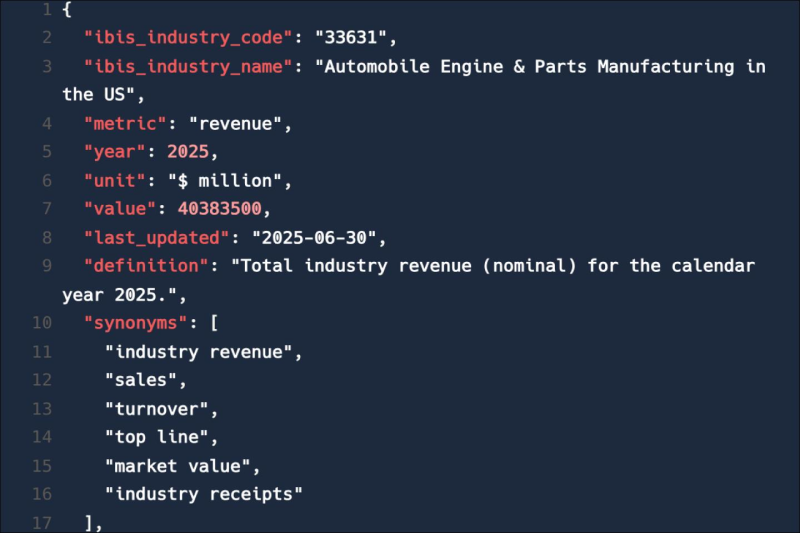
Feed trusted, human-driven industry intelligence straight into your platform.
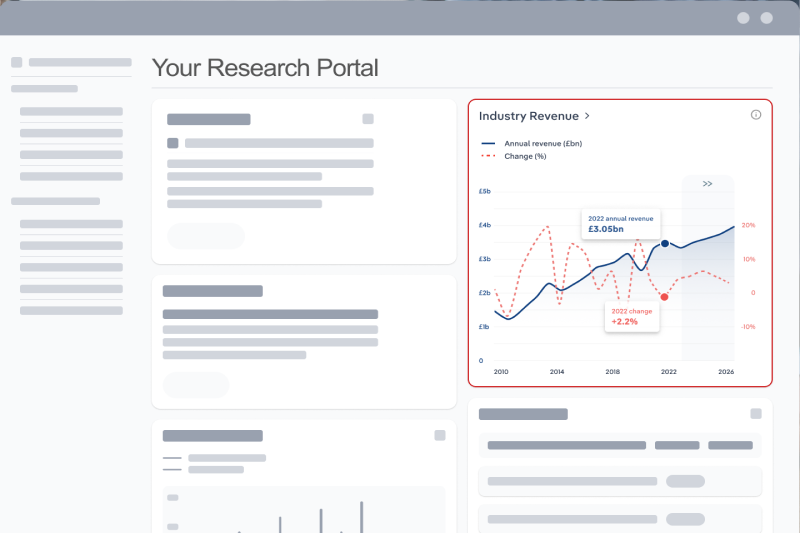
Streamline your workflow with IBISWorld’s intelligence built into your toolkit.
Explore industries with similar markets, supply chains, and economic drivers to gain broader context and insights.
| Industry | Country | Last 5-yr CAGR | Forecast 5-year CAGR | Revenue |
|---|---|---|---|---|
| Iron Smelting & Steel Manufacturing in Australia |

|
XX% | XX% | $XX |
| Motor Vehicle Body & Trailer Manufacturing in Australia |
|
XX% | XX% | $XX |
| Scrap Metal Recycling in Australia |
|
XX% | XX% | $XX |
| Iron Ore Mining in Australia |
|
XX% | XX% | $XX |
| Manganese & Other Mineral Mining in Australia |
|
XX% | XX% | $XX |
| Mining & Industrial Machinery Wholesaling in Australia |
|
XX% | XX% | $XX |
| Mining & Industrial Machinery Wholesaling in Australia |
|
XX% | XX% | $XX |
| Nickel Ore Mining in Australia |
|
XX% | XX% | $XX |
| Truck Repair in Australia |
|
XX% | XX% | $XX |
When the stakes are high, you need intelligence that cuts through the noise—wherever you work.
The world price of steel in Australia in 2026 was 712.39 index points.
The world price of steel in Australia declined by -8.65% in 2026.
IBISWorld’s data and analysis on world price of steel in Australia includes forecasted growth rates over the next five years.