IBISWorld Platform
Answer any industry question in minutes with our entire database at your fingertips.

IBISWorld forecasts that Australia's sports participation will dip by 0.06 percentage point in 2026-27, to reach 67.58% of the population. Participation is expected to normalise slightly after a solid recovery in 2024-25, when the weekly rate climbed to 67.7% from 66.0% a year earlier and the share of Australians aged 15 and over active at least three times a week rose to 49.0% from 47.6%. Although Australians are generally becoming more aware of the importance of health and exercise, the slowly shifting demographic profile of Australia means that people aged 15 to 64, which includes the most active age groups, are making up a declining share of the total population.Cost-of-living pressures have eased as a constraint on participation in recent years, with real household disposable income climbing after 2022-23 as inflation has moderated and tax cuts have flowed through, supporting a recovery in discretionary spending on recreation and coinciding with the lift in participation in 2024-25. Even so, cost remains a barrier. Membership pricing at gyms, health clubs and class-based formats like CrossFit, Hyrox and Body Fit Training (BFT) continues to price out price-sensitive participants, leaving them to self-motivate their exercise regime without the social pressure of routinely attending a team sport or class.The composition of participation has shifted away from organised club sport. Just over half of Australians aged 15 and over took part in a sport-related activity, but only around a quarter played organised sport and most who get active do so outdoors in parks and on pavements or at home rather than at a club or facility. Walking, fitness and gym activity, bushwalking, running and swimming rank as the most common activities, while pickleball, padel and pilates are among the fastest growing. Informal activity carries no registration fee, fixed training time or competitive expectation, so it has cushioned the headline rate even as club-based participation has stagnated.The Australian Sports Commission (ASC) highlights poor health or injury, increasing age and competing commitments as the factors that most consistently result in non-participation by Australians aged 15 and over, with perceived competency, the perception that sporting environments are too competitive and the inconvenience of training and competition times weighing more specifically on organised sport. At the same time, physical health and fitness are the strongest motivators for Australians aged 15 and over to participate in sport and physical activity. The ASC also notes that emerging research suggests that either specialisation or non-participation at a younger age may contribute to an individual not participating in sport to any degree at an older age.Women drove the improvement in the headline rate during 2024-25. The share of women participating at least three times a week rose to 50.3%, overtaking men at 47.8% after the two cohorts sat at the same level a year earlier, while annual participation among women climbed 2.2 percentage points to 85.3% and narrowed the gap with men to 0.6 points. The growth of women's leagues, both domestically and internationally, has shed new light on women's sport, encouraging non-athletes to participate in recreational and competitive sports in ways not seen before.The Australian Capital Territory recorded the highest weekly participation rate over 2024-25, at 77.2%, while South Australia recorded the lowest, at 65.9%. Overall, IBISWorld estimates sport participation to shrink at an annualised 0.04 percentage points over the five years through the end of 2026-27.
Curious about what drives these trends? IBISWorld's analyst coverage on the sport participation includes detailled analysis on the current performance, outlook and industries affected.
2001-2034
This report analyses the percentage of the Australian population participating in sports and physical recreation, including walking, jogging and running, at least once weekly during the financial year. The data for this report is sourced from the Australian Sports Commission and is measured in percentage points for each financial year. The methodology for the data source changed for the 2023-24 financial year, resulting in a significantly lower estimate for this KED. For this reason, historical results have been adjusted to account for the change in methodology.
IBISWorld Industry Reports are available in multiple formats to fit seamlessly into your workflow.

Answer any industry question in minutes with our entire database at your fingertips.
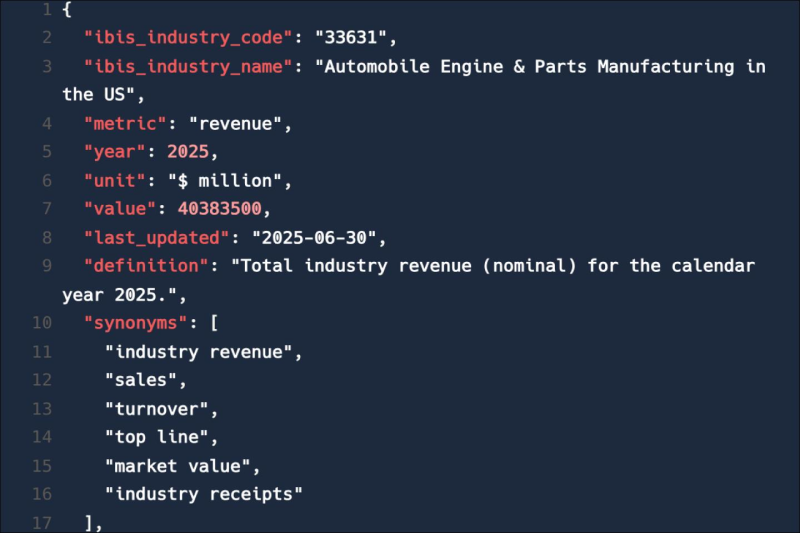
Feed trusted, human-driven industry intelligence straight into your platform.
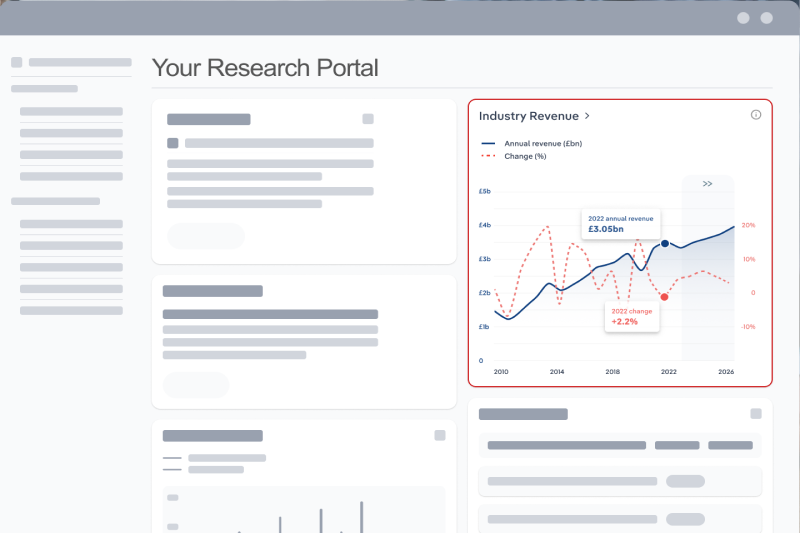
Streamline your workflow with IBISWorld’s intelligence built into your toolkit.
Explore industries with similar markets, supply chains, and economic drivers to gain broader context and insights.
When the stakes are high, you need intelligence that cuts through the noise—wherever you work.
The sport participation in Australia in 2027 was 67.58 percentage.
The sport participation in Australia declined by -0.04% in 2027.
IBISWorld’s data and analysis on sport participation in Australia includes forecasted growth rates over the next five years.