IBISWorld Platform
Answer any industry question in minutes with our entire database at your fingertips.

IBISWorld forecasts the population aged between 18 and 25 to rise by 1.5% during 2026-27, to reach 2,997,107 people. While net migration is expected to fall compared to 2025-26 figures, a positive inflow in excess of 200,000 people is still expected. Positive net migration will contribute to an expansion in the population across all ages, including 18 to 25 year olds. In particular, the net inflow of student visa holders is expected to exceed 100,000 in 2026-27, driving up the demographic's population. This inflow from migration will fully offset the imbalance of over 50,000 more people exiting the demographic by turning 26 than the number of individuals turning 18.The long-term growth of the population aged between 18 and 25 has been supported by consistent growth in the number of births. In particular, expansions in birth rates between 2000-01 and 2008-09 has led to growth in the population of this age demographic over the past five years. Migration levels also affect the size of this age demographic. Strong growth in migration levels can have a positive effect on the size of this age demographic, as many migrants are young people entering the country for education or job opportunities. Despite a temporary disruption during the pandemic, net migration has remained an important driver of this population segment over the past five years. In particular, the spike in international students during 2022-23 and 2023-24 contributed to the demographic expanding at the fastest rate on record over the two year period. As growth in international university students has tapered off between 2024-25 and 2026-27, the growth rate of this segment has slowed but remained above historical levels. Overall, IBISWorld forecasts the population aged between 18 and 25 to rise at a compound annual rate of 3.0% over the five years through 2026-27.
Curious about what drives these trends? IBISWorld's analyst coverage on the population aged between 18 and 25 includes detailled analysis on the current performance, outlook and industries affected.
1971-2034
This report analyses the Australian population aged between 18 and 25. This group includes most people that enrol in tertiary education courses or complete apprenticeships, and includes all Australian citizens and residents. A resident is someone that has been residing in, or plans to reside in, Australia for 12 months or more over a 16-month period. The data for this report is sourced from the Australian Bureau of Statistics and is measured in people residing in Australia at the end of each financial year.
IBISWorld Industry Reports are available in multiple formats to fit seamlessly into your workflow.

Answer any industry question in minutes with our entire database at your fingertips.
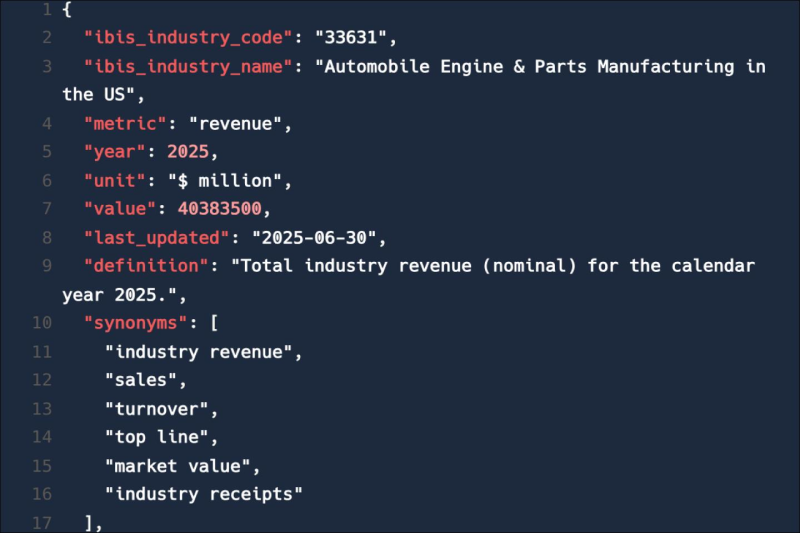
Feed trusted, human-driven industry intelligence straight into your platform.
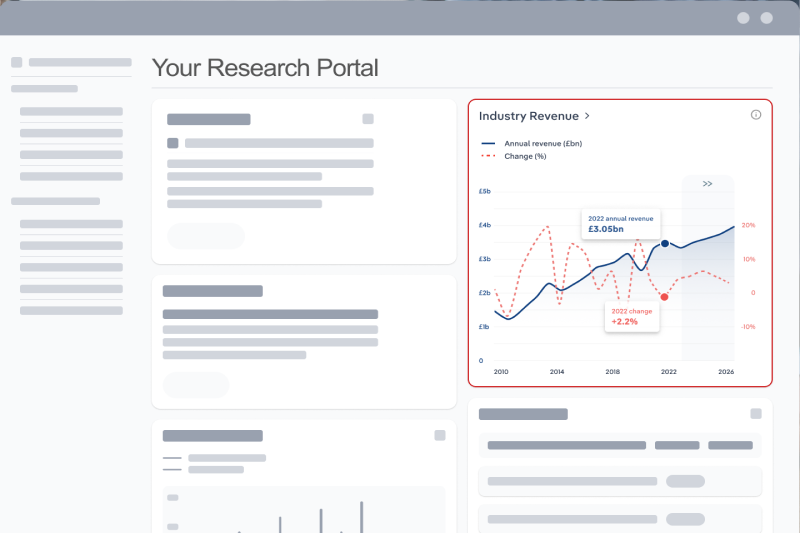
Streamline your workflow with IBISWorld’s intelligence built into your toolkit.
Explore industries with similar markets, supply chains, and economic drivers to gain broader context and insights.
| Industry | Country | Last 5-yr CAGR | Forecast 5-year CAGR | Revenue |
|---|---|---|---|---|
| Online Education in Australia |

|
XX% | XX% | $XX |
| Escape Rooms in Australia |
|
XX% | XX% | $XX |
| Motor Vehicle Body, Paint & Interior Repair in Australia |
|
XX% | XX% | $XX |
| Student Housing Management in Australia |
|
XX% | XX% | $XX |
| Tattoo Studios in Australia |
|
XX% | XX% | $XX |
| Towing Services in Australia |
|
XX% | XX% | $XX |
| Book Publishing in Australia |
|
XX% | XX% | $XX |
| University & Other Higher Education in Australia |
|
XX% | XX% | $XX |
When the stakes are high, you need intelligence that cuts through the noise—wherever you work.
The population aged between 18 and 25 in Australia in 2027 was 2,997,107 people.
The population aged between 18 and 25 in Australia grew by 2.96% in 2027.
IBISWorld’s data and analysis on population aged between 18 and 25 in Australia includes forecasted growth rates over the next five years.