
IBISWorld Platform
Answer any industry question in minutes with our entire database at your fingertips.

IBISWorld expects the electricity service price index to increase by 3.7% in 2026-27, to reach 157.8 index points. The Australian Energy Regulator (AER) has reported higher prices for electricity procurement futures in Queensland, New South Wales and Victoria for 2026-27, a trend likely to put upwards pressure on downstream service prices. The AER has confirmed that network charges are mostly increasing in 2026-27, with the main drivers being the revenue paths set in applicable determinations, rising transmission costs, inflation and the recovery of previously under-recovered revenue.The electricity service price has surged over the decade through 2025-26, increasing by around 30.0% over this period. Higher natural gas prices have increased input costs for generators, placing upwards pressure on the costs of electricity generation. Australia has targeted liquefied natural gas (LNG) export opportunities, exposing previously low domestic gas prices to global market forces and boosting gas prices. The closure of the coal-fired Liddell Power Station in April 2023, which supplied baseload power to New South Wales and issues with the electricity grid's reliability, particularly in South Australia, have offset further pricing declines across the electricity supply chain over the past few years. The unpredictability of wholesale prices has also significantly hindered potential reductions in electricity service prices. Retailers are often reluctant to lower their prices in proportion when wholesale electricity prices plummet, primarily because of the highly uncertain and risky market conditions in which they operate. This makes electricity service prices stickier than those in wholesale markets.The price of electricity for industrial firms includes generation, network and environmental costs, as well as margins for electricity retailers. According to the ACCC, over the decade through 2017-18, electricity transmission and distribution costs accounted for 38% of the increase in electricity prices. Environmental costs accounted for 15%, while retail expenses accounted for 8%. Wholesale electricity prices accounted for 27% of the growth in final prices. The remaining 13% is attributable to growth in retail profit margins. The ACCC deemed the growth in electricity prices to be the result of overinvestment in electricity transmission and distribution networks by private firms seeking to maximise returns on their assets, a guarantee provided by energy market regulators. As a result of this overinvestment, the AER placed limitations on the maximum allowable revenue for several operators. This move has successfully curbed price growth, as electricity service prices are expected to grow at an annualised rate of only 1.1% between 2017-18 and 2026-27, compared with an annual growth rate of around 7.3% in the decade prior.The pandemic had a moderate impact on the energy market in Australia. Energy demand from commercial operators affected by pandemic-related lockdowns dropped, leading to a fall in electricity service prices over the two years through 2020-21. However, these declines were partially offset by a spike in household-level demand.From March 2022, global coal and natural gas supplies were significantly constrained due to the Russia-Ukraine conflict. Russia has historically been a major exporter of thermal coal and natural gas. However, the sanctions imposed on Russia in response to the conflict caused coal and natural gas prices to rise, placing upward pressure on electricity service providers' costs in 2021-22 and 2022-23, a trend that was passed on to consumers. Disruptions caused by natural disasters like flooding also adversely impacted coal miners' operations, reducing coal supply and placing further pressure on electricity service prices.As supply conditions stabilised, coal prices trended downwards. Fewer weather-related disruptions improved operating conditions for coal miners, prompting them to ramp up production in 2023-24 and bolster coal supply. Similarly, natural gas prices fell as new exports from the United States eased supply issues caused by the Russia-Ukraine conflict. These falling input costs over 2023-24 placed downwards pressure on prices across the electricity supply chain, causing a decline in final service prices. However, the respite was short-lived, as prices trended upwards in 2024-25. The cost of electricity generated from black coal, wind and hydro, which together account for over 60.0% of electricity generation in the National Electricity Market (NEM), increased significantly. In particular, the average value of hydroelectricity increased by 55.4% throughout the year, with higher procurement costs translating into higher downstream service prices. Electricity demand across the NEM also increased by 1.9% in 2024-25, placing further upwards pressure on electricity service prices. Volatility has since continued, with the service price falling during 2025-26 amid falling wholesale electricity prices. Spot prices in the NEM averaged $74 per megawatt hour in the June 2026 quarter, the lowest June quarter average since 2020, with the decline due to higher renewable generation, rising battery discharge during evening peaks and reduced evening demand as household batteries increasingly supply homes after sunset.The NEM has gradually shifted from centralised large fossil fuel-based generation to an array of smaller-scale wind and solar generators and demand response practices. Australia's gradual shift to renewable energies has placed downwards pressure on electricity service prices, given their relatively lower costs compared to fossil fuels, limiting the impact of heightened fossil fuel input costs. The proportion of electricity generated in the NEM by renewables has jumped from around 24.9% in 2019-20 to 46.5% in the first quarter of 2026. These cost reductions have benefited downstream users, including manufacturers. Overall, IBISWorld estimates that the electricity service price index will expand at a compound annual rate of 2.4% over the five years through 2026-27.
Curious about what drives these trends? IBISWorld's analyst coverage on the electricity service price includes detailled analysis on the current performance, outlook and industries affected.
1981-2034
This report analyses the price of electricity. The price of electricity is measured by the electricity input price index for manufacturers and is sourced from the Australian Bureau of Statistics. This measures the price of electricity delivered to factories and includes all related costs such as network fees and non-deductible taxes. The historical data for this report uses the average value of a quarterly index over each financial year and is measured in index points.
IBISWorld Industry Reports are available in multiple formats to fit seamlessly into your workflow.

Answer any industry question in minutes with our entire database at your fingertips.
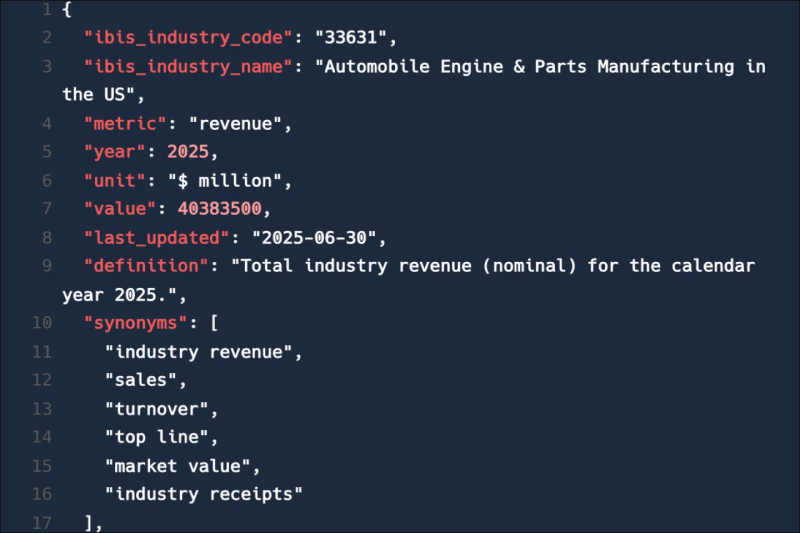
Feed trusted, human-driven industry intelligence straight into your platform.
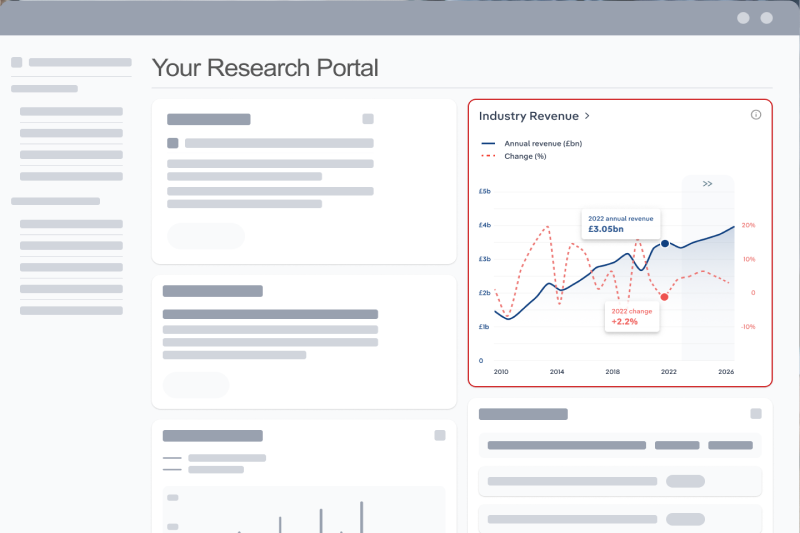
Streamline your workflow with IBISWorld’s intelligence built into your toolkit.
Explore industries with similar markets, supply chains, and economic drivers to gain broader context and insights.
When the stakes are high, you need intelligence that cuts through the noise—wherever you work.
The electricity service price in Australia in 2027 was 157.8 index points.
The electricity service price in Australia grew by 2.42% in 2027.
IBISWorld’s data and analysis on electricity service price in Australia includes forecasted growth rates over the next five years.