
IBISWorld’s Chief Commercial and Product Officer, Carmen McKinney, recently joined the CriticalFewActions podcast with host John Downes to discuss what industry research really does for decision-makers, and why its value is rising in an era of information overload.
In a wide-ranging conversation, Carmen shares how IBISWorld evolved from its Australian roots into a global research provider, what leaders should focus on when building strategy, and how AI is changing the way businesses access information.
Watch the full episode below.
What industry research is really for
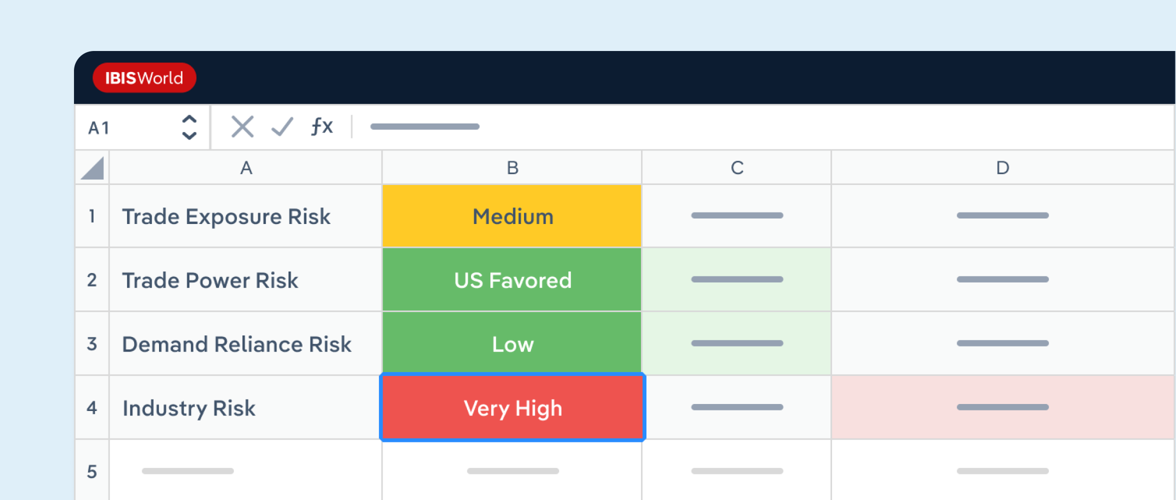
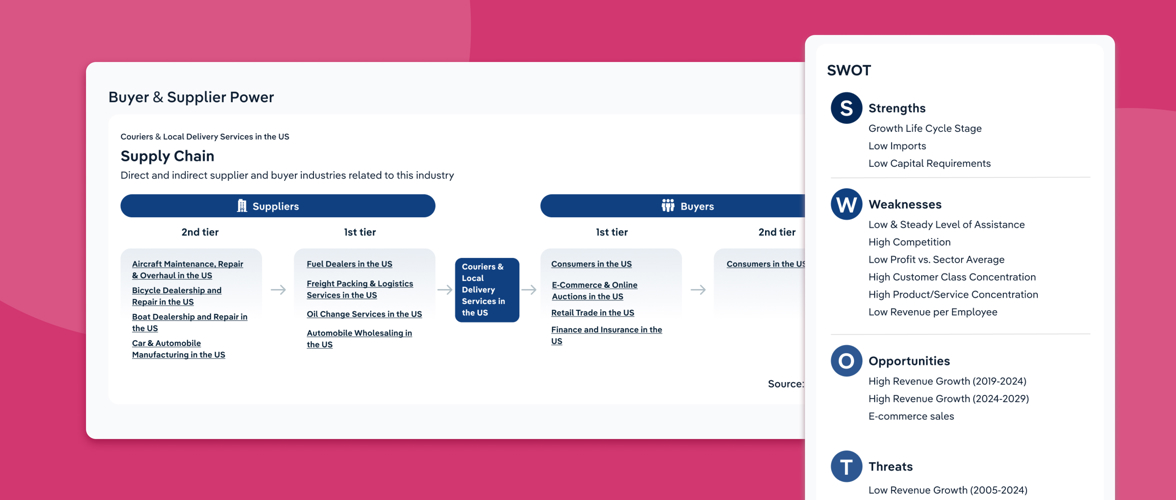
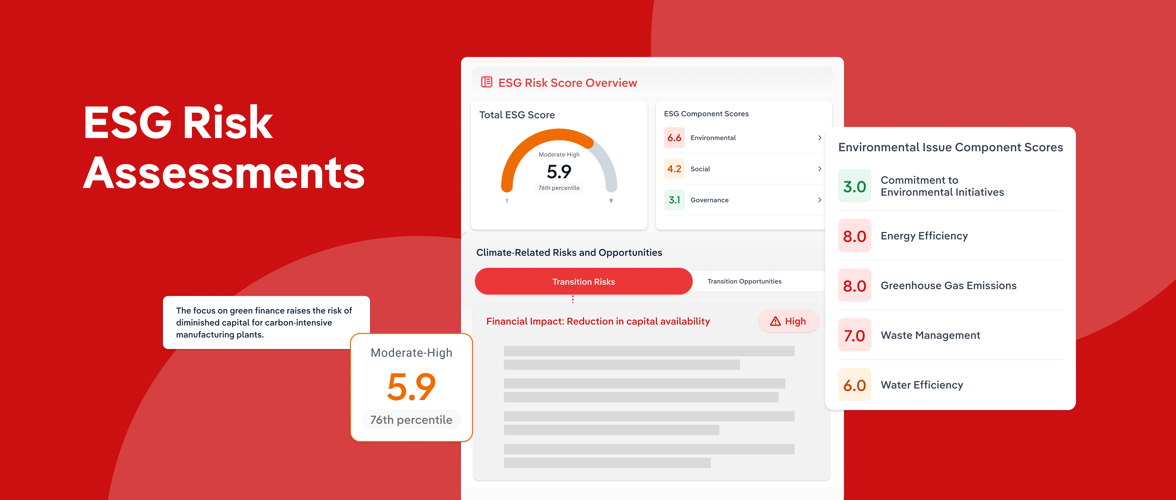
Carmen defines industry research as more than understanding competitors or individual companies. At its core, it’s about the long-run forces shaping an operating environment: regulation, market structure, industry performance, government settings, risks, and forward-looking forecasts.
She highlights two primary ways clients use IBISWorld:
· Strategic planning for their own business: identify opportunities, mitigate risks, and benchmark performance.
· Supporting advisory work: for consultants, accountants, and other industry-agnostic professionals who need credible context for their clients.
John builds on this with a key point: “gut feel” decisions are only as good as the data that informs them. Industry research broadens what leaders can see—especially beyond what’s directly in front of them.
Strategy is focus and knowing what to say “no” to
A recurring theme is focus. Carmen argues that strategy should be stable in intent but revisited regularly as conditions shift. The discipline isn’t just choosing where to play; it’s choosing what not to do.
She gives examples of how research can challenge assumptions:
· A business may assume it should pursue the highest-growth segments—until research reveals those segments are dominated by entrenched players, making them harder (and more expensive) to win.
· Another may need evidence to justify aggressive projections such as benchmarking wages and revenue per employee against industry averages to support financing decisions.
John adds a practical lens: leaders need to differentiate between the total addressable market and the winnable market and then build a plan around what is both realistic and distinct.

AI changes access to information, but not the need for trusted insight
Carmen argues that AI may feel like a direct substitute for research, but the bigger threat is the perception that AI outputs are automatically reliable. She points to a key issue: large language models can write convincingly, but they struggle with data integrity, context, and validation—especially if users don’t check sources.
From IBISWorld’s perspective, the lesson from past disruptions (like the rise of the internet) is not to resist change, but to adapt delivery to how customers work. Carmen expects users won’t want to “log into a portal” in the same way in the future. They’ll want research embedded into their workflows and tools through integrations.
How IBISWorld is using AI today
Carmen shares that IBISWorld is using AI extensively, but not as a replacement for core research creation. Instead, the biggest impact has been in:
· Quality control, using AI to critique and scale editorial consistency (with humans in the loop)
· Product prototyping, accelerating how teams visualize ideas and test concepts
· Marketing productivity, helping teams create content faster and iterate more efficiently
The common thread: AI is creating productivity gains and capacity—not necessarily headcount reduction.

Final Word
John asks, “what should a CEO do tomorrow if they did nothing else?”
Carmen's answer? Pick a position, focus hard, and stop doing the things that don’t support your competitive advantage.
John reinforces the idea of “ruthless prioritization”—noting that most organizations can only implement one or two major, meaningful changes in a year and make them stick. Trying to do everything often means achieving very little.
Want to bring sharper industry insight into your strategic planning? Explore how IBISWorld helps businesses and advisors understand market forces, benchmark performance, and plan with confidence.